Portable Handheld Dental X-ray Machines: UK and Canada Buyer Guide
UK and Canadian dentists asked about portable handheld X-ray + digital sensor combinations. Here's what the handheld X-ray unit actually delivers, regulatory status in the UK / Canada, and sensor pairing.
Several buyers from the UK and Canada wrote about portable handheld dental X-ray machines, specifically asking about units paired with digital sensors (RVG). The handheld X-ray market has matured substantially in the last five years — the devices are now routine in mobile dental programs, domiciliary care, and backup workflows for fixed practices. Here's what matters for UK and Canadian buyers, and how the regulatory requirements shape your choice.
What a modern handheld X-ray actually is
Current-generation handheld dental X-ray units typically provide:
- Tube output: 60 kV fixed, 2 mA peak
- Exposure time: 0.01 to 2.0 seconds adjustable
- Weight: 1.8-2.5 kg including battery
- Battery: lithium-ion, 200-400 exposures per charge
- Dose: operator exposure with backscatter shield well below occupational limits when used correctly
- Preset exposures for bitewing, periapical, adult/child, tooth type
These are not a full-mount wall-arm replacement — fixed operatories get better workflow from a wall-mount unit. Handheld shines in:
- Domiciliary care (care home residents, housebound patients)
- Mobile dental units serving rural or underserved populations
- Surgical centers where an OR needs occasional imaging
- Backup for the wall-mount unit during equipment downtime
UK regulatory landscape
Handheld dental X-ray in the UK falls under:
- Ionising Radiation Regulations 2017 (IRR17) — operator training, dose audit, radiation protection supervisor
- Ionising Radiation (Medical Exposure) Regulations 2017 (IR(ME)R 17) — justification, optimisation, recording
- UK CA mark post-Brexit (CE mark accepted until further notice for imports placed before UK CA marking transition deadline, currently 2027)
The critical practical point: you need a Radiation Protection Advisor (RPA) appointed before first use, and a Medical Physics Expert (MPE) consulted for equipment selection and commissioning. Most UK dental groups already have these relationships; confirm before ordering.
Canadian regulatory landscape
Canadian dental X-ray regulation is provincial. Key requirements:
- Health Canada Medical Device License (MDL) for the device — Class II
- Provincial radiation protection registration (e.g., Ontario: HARP, BC: BC Centre for Disease Control)
- Operator training: typically provincial dental X-ray operator certification
- Health Canada MDL for the digital sensor if bundled separately
Health Canada MDL for a handheld X-ray takes 4-9 months from submission if the device already has FDA 510(k) or CE mark as supporting evidence. For Chinese manufacturers with only CE mark, the Canadian submission is manageable but not instantaneous.
Sensor pairing — the usually overlooked question
Handheld X-ray + a random digital sensor typically works, but image quality and workflow vary enormously:
- Size 2 sensor (adult periapical/bitewing): standard pairing for 90% of handheld workflows
- Sensor connectivity: USB direct vs proprietary wireless — USB direct is almost always the right call for handheld/mobile scenarios because the tablet-plus-cable stays with the unit
- Sensor exposure range: must match the handheld's dose output — sensors calibrated for heavy wall-mount doses will be overexposed; sensors for ultra-low-dose will be underexposed
- Image management software: should support DICOM export for integration with practice management software
We bundle the handheld X-ray with a matched size 2 sensor (20 μm pixel pitch, USB 3.0 direct connect) pre-calibrated to the handheld's 60 kV 2 mA output. No manual exposure-curve tuning needed.
Landed cost in the UK or Canada
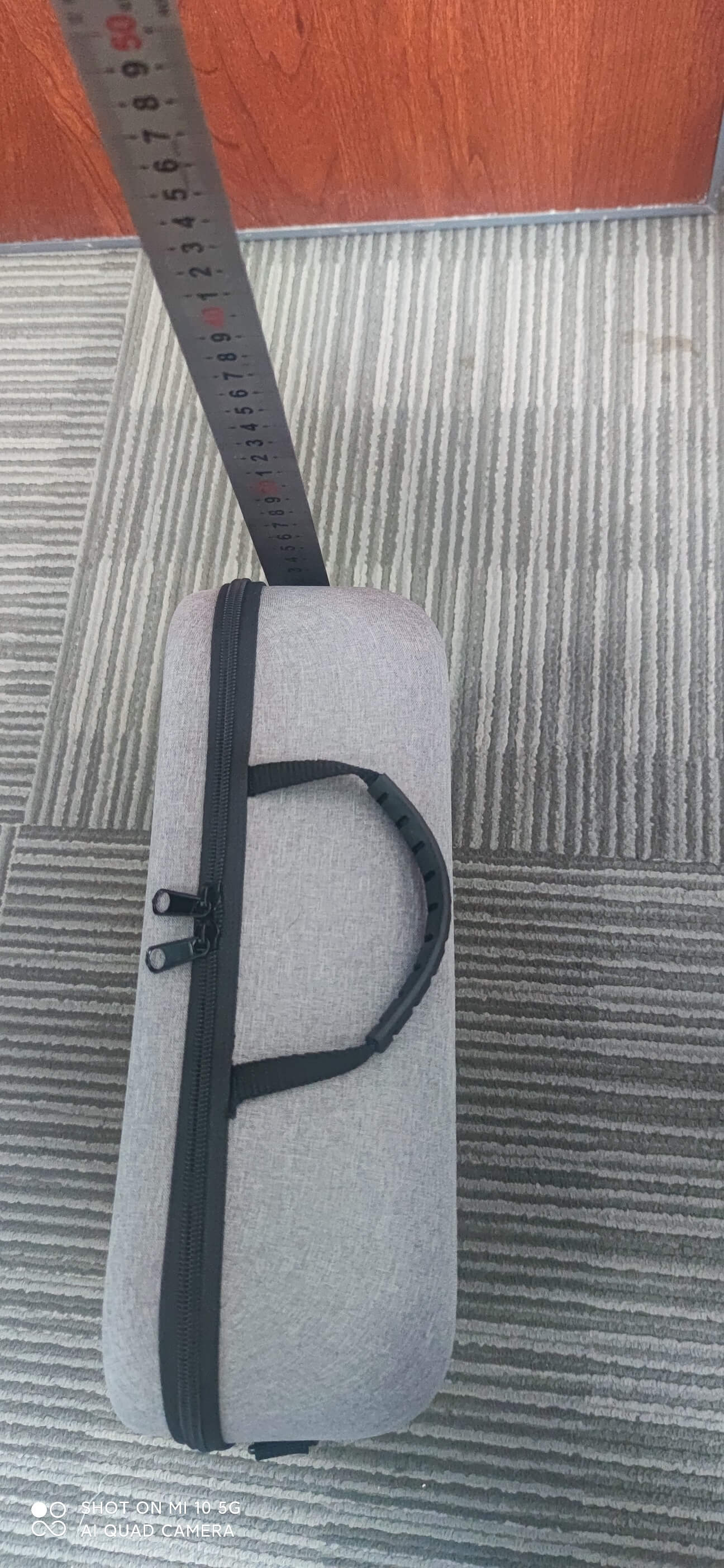
For handheld X-ray + size 2 sensor + carrying case + shield:
- FOB Shanghai bundle: USD 2,200-2,800
- Air freight Shanghai → Heathrow or Toronto Pearson (bundle is light, 5-7 kg): USD 180-280
- UK import: 0% duty (medical equipment), 20% VAT (recoverable for VAT-registered practice)
- Canadian import: 0% duty, 5% GST + provincial PST where applicable
- Landed in UK: GBP 1,900-2,400 pre-VAT recovery
- Landed in Canada: CAD 3,100-3,800 pre-tax recovery
Before you order — the fit-check questions
- Who is your Radiation Protection Advisor (UK) or what provincial radiation authority approves your setup (Canada)? Get them involved before ordering.
- Which practice management software are you feeding images into? Confirm DICOM export compatibility.
- Are you using this as primary or backup? If primary, consider the maintenance and calibration schedule — handhelds need annual calibration just like wall-mount units.
- How many exposures per week? If under 20, handheld makes sense. If over 50 per week at a fixed location, a wall-mount unit is faster and ergonomically better.
Have a specific unit in mind?
Tell us which model you want and your destination port — we'll quote FOB or CIF with a video demo of the actual unit in our warehouse.