How to Buy Used Dental CBCT from China: A Complete Guide for International Buyers
A practical walkthrough of sourcing, inspecting, paying for, and importing refurbished dental CBCT equipment from China — written for dentists and distributors in the US, EU, Latin America, and the Middle East.
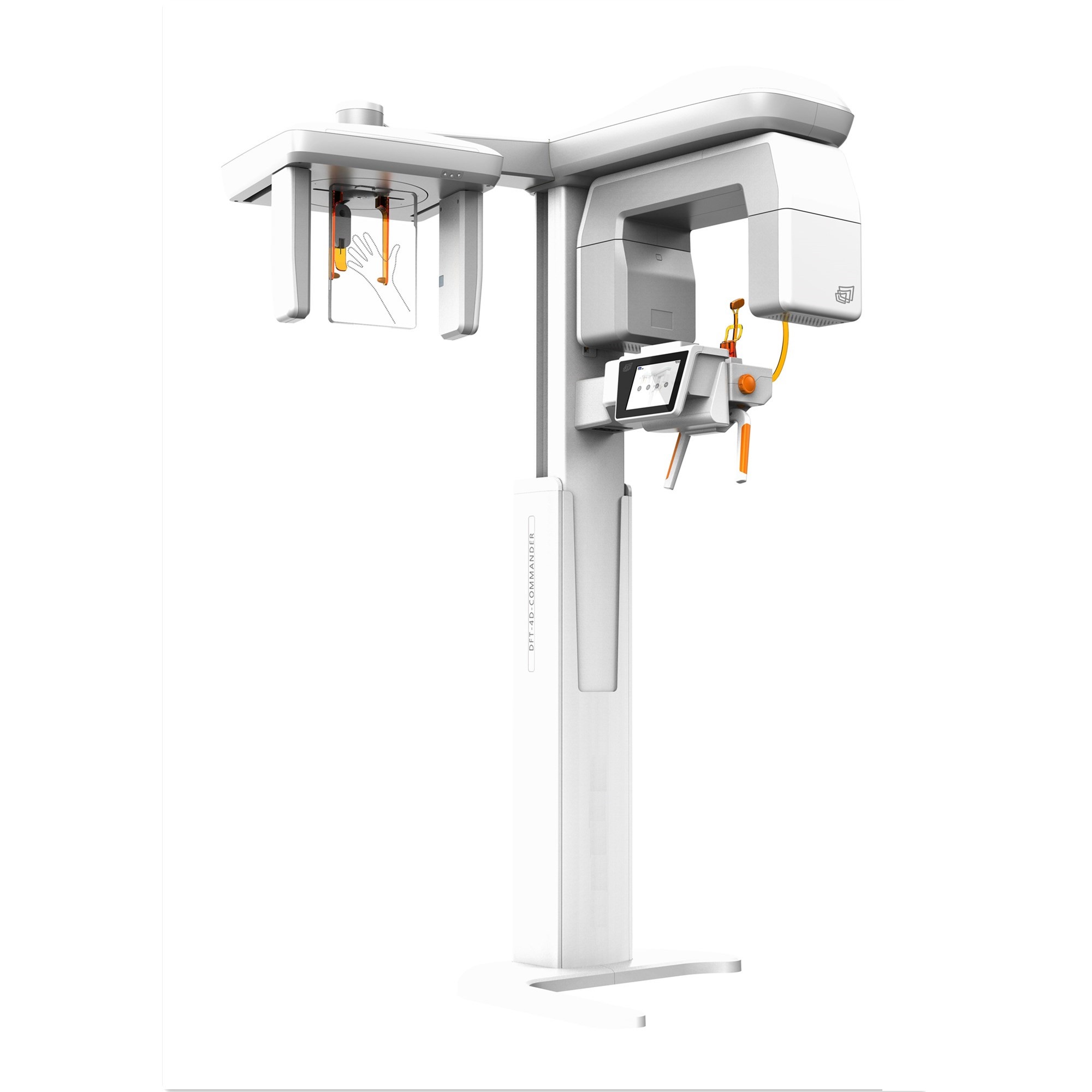
A refurbished Vatech PaX-i3D or Planmeca ProMax 3D can cost 40–60% less than a new unit — and for many clinics, the imaging quality difference is negligible. But buying a used CBCT unit from China is a very different process from buying a scanner at your local dental supplier. This guide walks through what matters, what goes wrong, and how to protect yourself at every stage.
Why China? And why refurbished?
China has become a primary global hub for decommissioning, refurbishing, and re-exporting dental imaging equipment from Korea, Japan, and domestic markets. The advantages are concrete: access to wholesale-priced units that American and European refurbishers buy from you at 3x markup, faster turnaround, and direct communication with the technicians handling your unit.
The trade-offs are also concrete: you are responsible for due diligence, export paperwork, shipping, and installation. A reputable Chinese exporter makes the first three easy; the last one is on you or your local service partner.
The 5-stage buying process
Define your use case first
Implant-focused practice? 5×5 to 8×8 cm FOV is enough. Orthodontic? You need ceph. TMJ and airway analysis? Go for 12×9 cm or larger. Define the clinical use before you start shopping — it eliminates 80% of options.
Request a video demo
Never buy blind. Ask for a live video of the specific unit you are purchasing — powered up, gantry rotating, imaging a phantom or test object. The video should include a handwritten sign with your name and today's date. Any exporter who won't do this is hiding something.
Verify software licensing
Confirm the unit ships with the OEM imaging software (EzDent-i, Romexis, CS Imaging, Xelis, etc.), installed on a configured PC, with backup calibration data. Software licensing on refurbished imaging units is a gray area — a good exporter handles it; a bad one leaves you with unusable hardware.
Choose your Incoterm carefully
FOB (Free On Board) Shanghai puts the unit on the ship — you pay freight to your port. CIF (Cost, Insurance, Freight) to your destination port includes freight. EXW means you pick it up from the warehouse. For container-scale shipments, FOB is almost always better because you control freight quality.
Plan installation on your end
A refurbished CBCT unit arriving at your clinic needs a qualified service technician to handle final calibration, radiation survey, and software commissioning. Have this person lined up before you place the order. Expect 2–4 hours for on-site commissioning of a well-packed unit.
Red flags
- ✗Exporter unwilling to send live video before payment.
- ✗"Price too good to be true" — below-market pricing often means missing parts or non-functional software.
- ✗No clear written warranty, or warranty language that excludes "all electronic components".
- ✗Payment only via personal crypto wallet or unusual channels. Legitimate exporters accept T/T, Alibaba Trade Assurance, or Western Union.
- ✗Refusal to specify the exact year of manufacture, serial number, or OEM calibration log availability.
What a healthy transaction looks like
At FOB Dental, a typical transaction timeline is:
- Inquiry → quote + video demo within 24 hours
- Proforma invoice with full specs, serial number, and warranty terms
- 30% deposit (T/T or Alibaba Trade Assurance)
- Final testing, pre-shipment video, packing photos
- 70% balance payment
- Bill of lading + commercial invoice + packing list sent on dispatch
- 2–6 week sea transit depending on destination
- Customs clearance on your side → installation
The whole process, from first inquiry to unit arriving at your port, is typically 4–8 weeks.
Have a specific unit in mind?
Tell us which model you want and your destination port — we'll quote FOB or CIF with a video demo of the actual unit in our warehouse.