Buying a CBCT Machine for Nigerian Dental Hospitals: A Buyer's Guide
A hands-on guide for Nigerian dental hospital buyers — FOB prices, Apapa/Tin Can import duties, NAFDAC registration, and what FOV actually fits a multi-chair practice in Lagos, Abuja, or Port Harcourt.
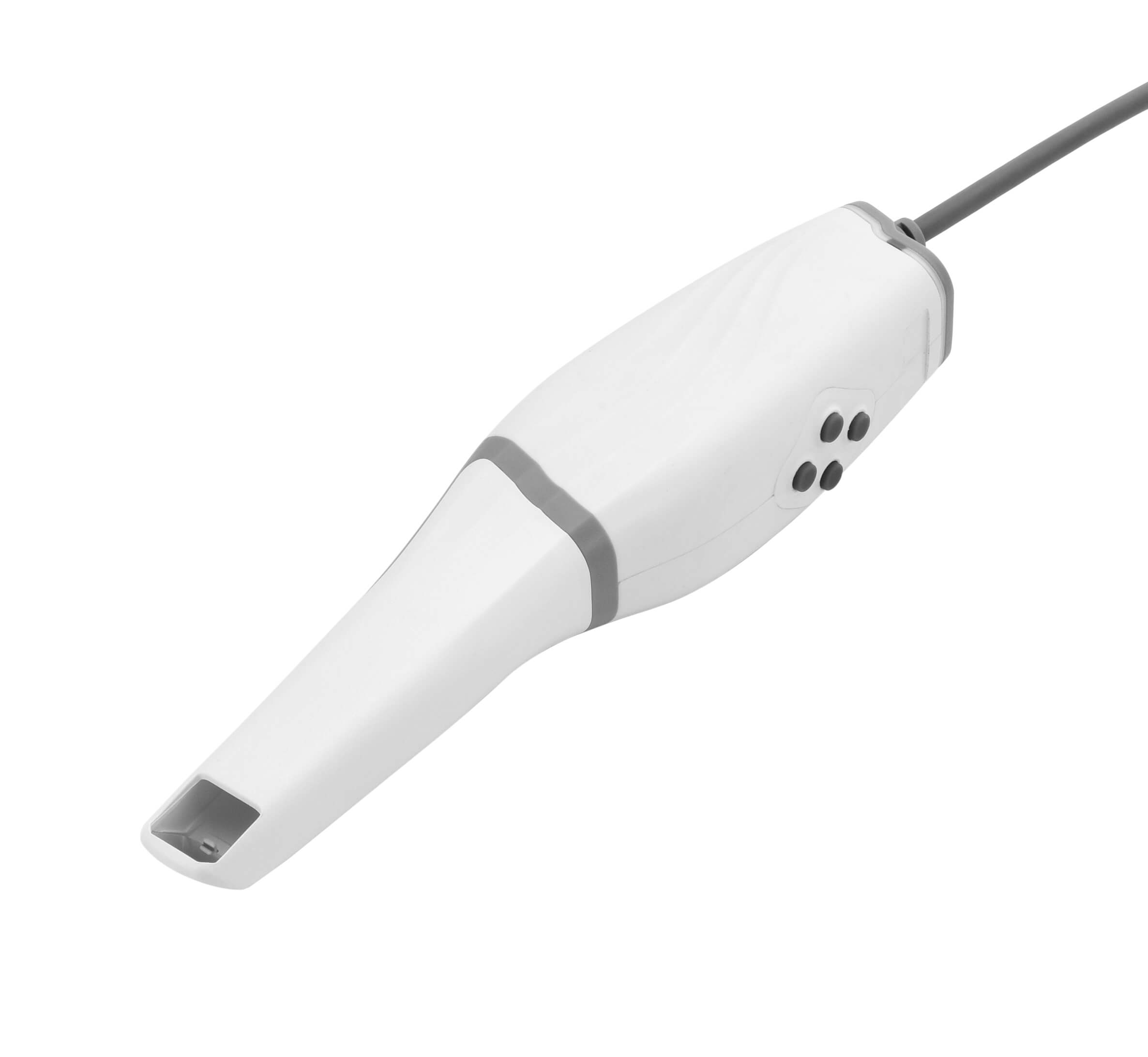
A managing partner at a Lagos dental hospital reached out last week asking about CBCT sourcing. Her situation is typical for Nigerian buyers scaling into implants and orthodontics: she doesn't need a top-tier academic imaging system, she needs something reliable, serviceable, and affordable after all import costs are paid. This guide is written for buyers in that position.
What FOV actually fits a Nigerian multi-chair clinic
The trap Nigerian buyers fall into is paying $80K-120K for equipment sized for university dental schools when their real case mix doesn't justify it. For a three-to-six chair practice doing routine implants, wisdom extractions, and occasional orthodontic planning, you need three FOV modes:
- 5×5 cm FOV for single-implant planning at 0.1 mm voxel resolution — this is where most of your imaging happens
- 10×10 cm FOV for full arch and opposing arch cases — covers 80% of non-single-tooth studies
- 16×17 cm FOV only when you actually need full cranio for TMJ, airway analysis, or ortho cephalometric — typically less than 5% of cases
Our 4-in-1 CBCT platform covers all three in 1 cm increments, at roughly one-third the landed cost of a Vatech PaX-i3D or Carestream 8200. For a clinic doing 20-40 scans per month, that pays back in under two years.
Budgeting for Nigerian import costs
Nigerian dental equipment imports attract a layered cost stack that a lot of first-time buyers underestimate. Expect roughly:
- Import duty: 10% on HS code 9018.49 (dental imaging equipment)
- VAT: 7.5% on CIF + duty
- ETLS (ECOWAS Trade Liberalization Scheme) levy: 0.5%
- CISS (Comprehensive Import Supervision Scheme): 1%
- NAFDAC registration fee for medical devices: ₦150K-500K one-time
- Clearing and forwarding at Apapa or Tin Can: ₦400K-700K
- Inland transport Lagos → Abuja: ₦200K-350K per trip
Add roughly 22-28% to your FOB Shanghai price to get landed-in-Lagos cost. For our 4-in-1 CBCT at FOB USD 24,500, that lands around USD 31,000-32,000 on a Nigerian hospital floor.
Sea freight: Shanghai → Apapa or Tin Can
A CBCT unit ships in a wooden crate roughly 180×120×200 cm and 350-450 kg — fits LCL comfortably or 1/3 of a 20 ft container. LCL sea freight runs USD 280-450 per CBM depending on season; transit time is 30-38 days from Shanghai. If you're ordering multiple units or combining with other equipment, a shared 20 ft container at around USD 2,200-3,000 works out cheaper per unit.
Avoid air freight for a CBCT — it's 3-4x the cost and the sensitive flat-panel detector doesn't gain much from faster transit. Sea is the right call.
Service after the sale — the part that kills imports
The single biggest mistake first-time Nigerian buyers make is not pre-arranging service. When a Vatech engineer is based in South Africa or Europe, a flat-panel detector failure becomes a three-week downtime event. We handle this in three ways:
- Every system ships with spare-parts kit (tube, sensor calibration plate, main board spares) so local technicians can swap common failure points
- Remote diagnostics via IoT module — we can pull tube usage, temperature logs, and error codes directly and dispatch the right part
- On-site training for your in-house technician during installation week — typically 3-5 days, covering calibration, panoramic alignment, and preventive maintenance
What to ask before you commit
Three questions that separate serious suppliers from the rest:
- "Can you send me factory QC videos of the exact unit before shipment?" — a real factory can film the machine running a test pattern on a phantom
- "What's the CE or FDA certification number, and can I verify it?" — certs should be verifiable on the issuing authority's database
- "Who installs it in Nigeria, and what's their CV?" — either they fly an engineer to Lagos, or you need a local partner they train
Get a Nigerian-landed quote for the 4-in-1 CBCT
Tell us which city, your case mix, and whether you're buying one or more units — we'll send a full FOB + CFR Apapa breakdown with timeline.
Start the conversation →Have a specific unit in mind?
Tell us which model you want and your destination port — we'll quote FOB or CIF with a video demo of the actual unit in our warehouse.