CBCT for Dental Implant Planning from China — A $10K Budget Path for Indian Clinics
Indian implantologists on a tight budget have three CBCT options under $10,000 FOB. We break down what each actually gives you in terms of FOV, voxel size, and implant-planning software compatibility.
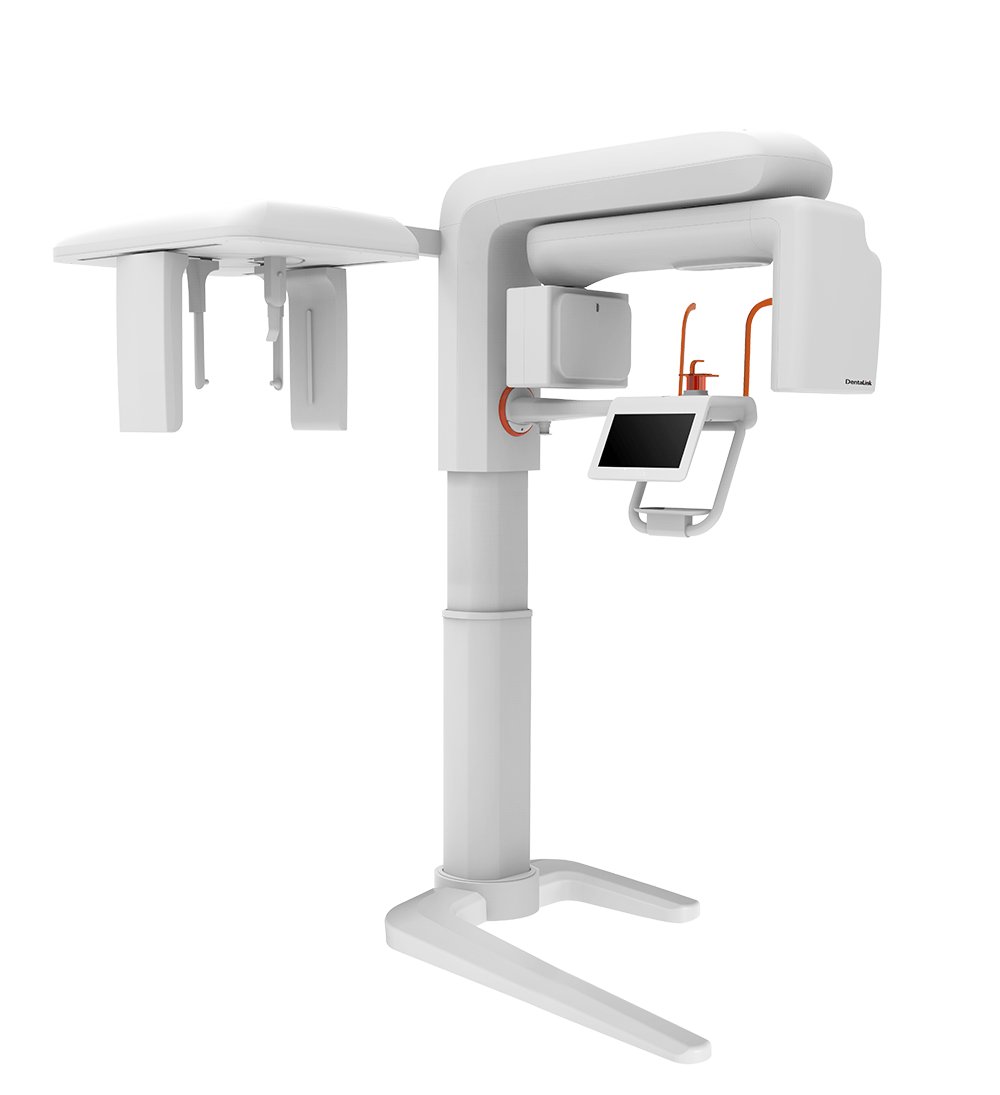
A buyer in India wrote asking for a CBCT quotation for dental implant planning with a budget of around USD 10,000 — total, not FOB-only. This is a common ceiling for solo-practitioner implantologists in tier-2 Indian cities, and it's achievable, but only if you shop carefully. Here's what's actually possible at that price point.
What $10K USD actually buys from China
At FOB Shanghai USD 8,000-10,000, you're looking at entry-tier CBCT with these typical specs:
- FOV: 8×8 cm maximum (fits single-arch work comfortably; too small for full cranio)
- Voxel size: 0.15-0.3 mm (fine for implant planning; borderline for endo)
- Scan time: 14-18 seconds per acquisition
- Tube output: 60-100 kV, 2-10 mA
- Detector: amorphous silicon flat panel, typically 5 inch × 5 inch or 6 inch × 6 inch
- Panoramic mode: usually included at no extra cost on Chinese platforms
What you give up compared to a $25K system: larger FOV modes, faster scan times, 0.1 mm voxel for implant sulcus detail, SMARTer metal artifact reduction for patients with existing crowns, and typically 2 years vs 3 years warranty.
Import math from Shanghai to Mumbai / Delhi
Indian CBCT imports attract:
- Basic Customs Duty: 7.5% on HS code 9018.13
- Social Welfare Surcharge: 10% of BCD = 0.75% effective
- IGST: 12% on CIF + duty
- Customs handling at Nhava Sheva or Mundra: ₹25K-50K
- CDSCO medical device registration: if you're a distributor, factor this in; solo clinics can import under clinic license
For a FOB USD 9,500 CBCT, expect landed-at-clinic in Mumbai around USD 11,500-12,200 (roughly ₹9.8-10.4 lakhs at current rates). Add installation support, and you're at the USD 13K ceiling.
Software compatibility for implant planning
The software question is where Chinese budget CBCTs sometimes disappoint. Make sure before you buy:
- DICOM 3.0 compliance for export — non-negotiable
- Direct compatibility with Blue Sky Plan, implant-studio, 3Shape Implant Studio, or NobelClinician
- DICOM export speed: anything over 90 seconds per volume is painful for a busy practice
- Integrated planning software: some Chinese systems ship with their own planning tool (RDV, 3DSlicer forks) — check if your implant brand's surgical guide workflow accepts output from it
What to test during factory video call
Before paying deposit, ask the factory to run a live scan on a phantom on video call. What you want to see:
- Scan completes in the claimed time without pause
- Reconstruction finishes in under 60 seconds for a single arch
- DICOM export to a USB drive — timed, and verify the file size is reasonable (800 MB-2 GB for a typical volume)
- Open the DICOM in an independent viewer (3D Slicer, OsiriX Lite) — the image should look clean with no reconstruction banding
The right product for an Indian implant clinic
For buyers in this budget bracket, our 4-in-1 platform scales down to a smaller FOV configuration that keeps the core imaging quality. You get the same SMARTer metal artifact algorithm, panoramic + cephalometric modes, but with a 10×10 cm max FOV instead of 16×17. That configuration lands in India under USD 12,000 all-in — and the upgrade path to larger FOV is a tube-detector swap we can quote later if your practice grows into TMJ or orthodontics.
Have a specific unit in mind?
Tell us which model you want and your destination port — we'll quote FOB or CIF with a video demo of the actual unit in our warehouse.