Vatech PaX-i3D Green Series: Chinese Alternatives for Nepali Dentists
A Kathmandu buyer said Vatech PaX-i3D pricing was 'too high' and asked about the Green series — here's what the Green series actually is, and what $12-15K Chinese alternatives give you that's comparable.
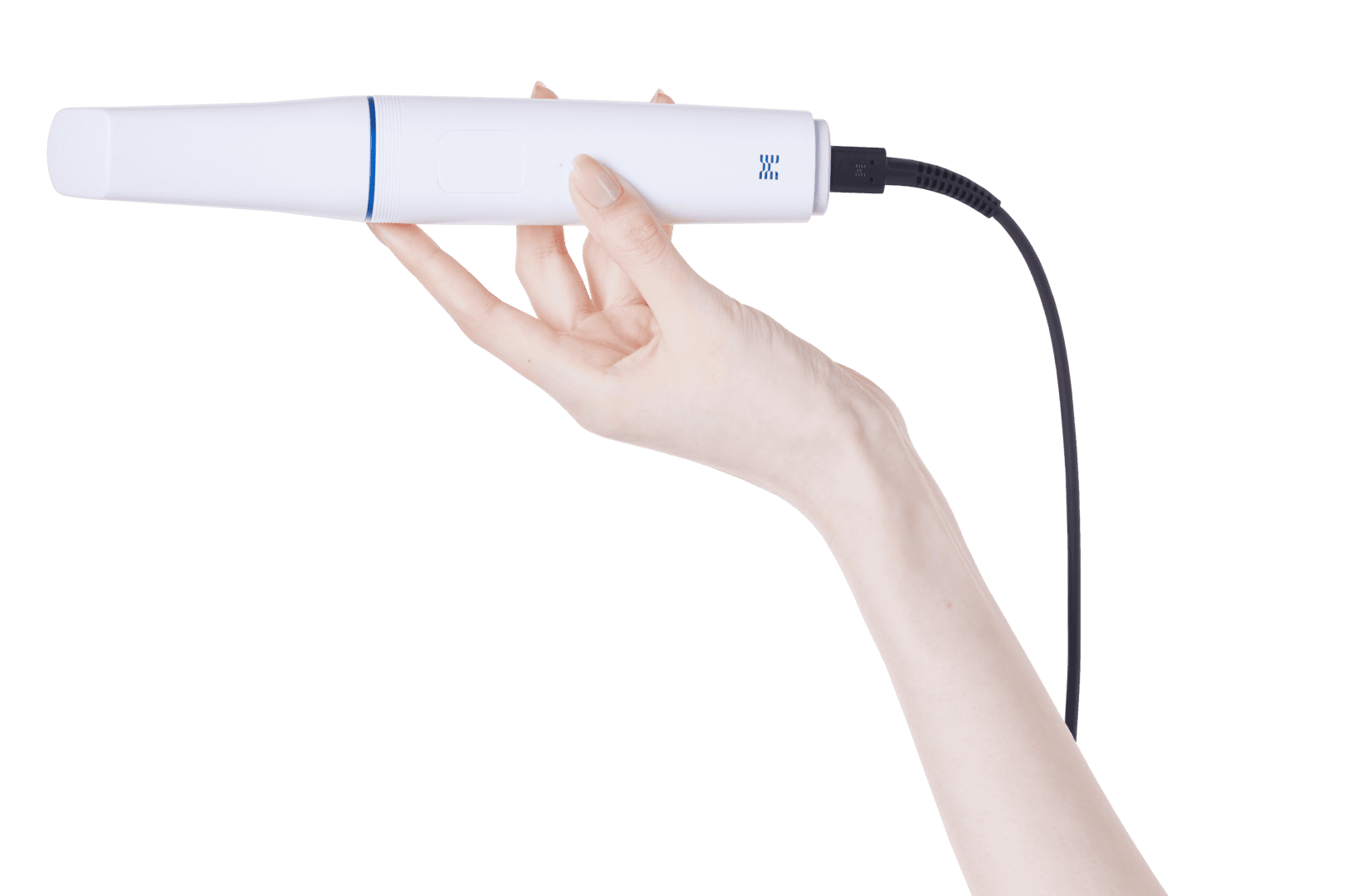
A dentist in Nepal asked whether we had something comparable to the Vatech PaX-i3D Green series, specifically because the standard PaX-i3D pricing from the local distributor felt too high for his practice. Fair question. Here's what the Green series actually is, and where Chinese alternatives land relative to it.
What the PaX-i3D Green series actually is
Vatech's "Green" line is their lower-dose pediatric and compact-clinic tier. Key differences from the standard PaX-i3D:
- Smaller FOV options: typically 5×5 cm up to 12×9 cm (vs. standard PaX-i3D which goes to 15×15)
- Lower kVp range: 60-85 kV (vs. 65-120 on standard)
- Designed for pediatric dose compliance (ALARA)
- Smaller footprint
- Slightly slower reconstruction on the 15×15 workload (which it doesn't offer anyway)
For a Nepali buyer who primarily does implants, endo, and orthodontic planning, the Green series is actually well-scoped. It's the dose and footprint advantages that justify the price — which in Nepal typically lands at NPR 35-50 lakhs after distributor margin, duty, and installation.
Where Chinese 4-in-1 platforms compete
The closest match we offer is a 5×5 to 12×9 FOV configuration of our 4-in-1 CBCT. Spec-by-spec:
- FOV range: 5×5 to 12×9 (matches Green series)
- Voxel: 0.1-0.3 mm adjustable (Green is 0.08-0.2)
- Tube: 60-85 kV, 2-10 mA (close to Green)
- Detector: amorphous silicon, 6" × 6" (Green uses a 5" × 5" on some models)
- Dose: ALARA-compliant with adjustable exposure per FOV
- Panoramic + cephalometric: included (Green requires extra cost for ceph arm)
The real difference is in two places: the Vatech reconstruction algorithms are genuinely better for pediatric cases with patient movement (they invested heavily in motion correction), and the service network is established. Our platform is closer to Vatech on raw specs than most buyers assume, but if you're imaging a lot of uncooperative 5-year-olds, the Vatech motion correction matters.
Landed-in-Kathmandu cost comparison
For the same clinical capability (implant + endo + ortho, no pediatric specialty):
- Vatech PaX-i3D Green via Indian distributor: NPR 35-50 lakhs installed (~USD 26K-37K)
- Our 4-in-1 CBCT FOB Shanghai + CFR Birgunj + duty + installation: USD 15K-18K (NPR 20-24 lakhs)
Nepal customs on dental CBCT: 5% basic customs + 13% VAT. Our landed cost is roughly half the Vatech installed price, for a system that does the same three clinical jobs well.
Shipping route to Nepal
Being landlocked, Nepal imports through one of three routes:
- Sea → Kolkata → road to Birgunj / Bhairahawa — most common, 45-55 days from Shanghai
- Sea → Kolkata → rail to Raxaul → road to Kathmandu — slower, cheaper for large orders
- Air → Kathmandu direct via Delhi or Guangzhou — 7-10 days, but 3x the freight cost
For a single CBCT unit, sea via Kolkata is the right call. Crate size fits comfortably on a standard Indian truck for the cross-border leg.
Before you sign
Three things to confirm on a factory call:
- Confirm DICOM export speed and compatibility with whatever implant planning software you already use
- Ask for panoramic output samples and compare them head-to-head with Vatech panoramic samples of the same dentition
- Get the name of the nearest technician who can fly to Nepal for installation — either our engineer via Delhi, or a trained Nepali partner
Have a specific unit in mind?
Tell us which model you want and your destination port — we'll quote FOB or CIF with a video demo of the actual unit in our warehouse.