CBCT and Panoramic Imaging for Zimbabwean Private Dental Hospitals: Harare and Bulawayo Commissioning
How Zimbabwean private dental hospitals commission integrated dental imaging — panoramic, CBCT, or 2-in-1 platforms — from Shanghai, covering MCAZ and RPAZ compliance, Durban and Beira shipping routes, power infrastructure, and medical tourism economics.
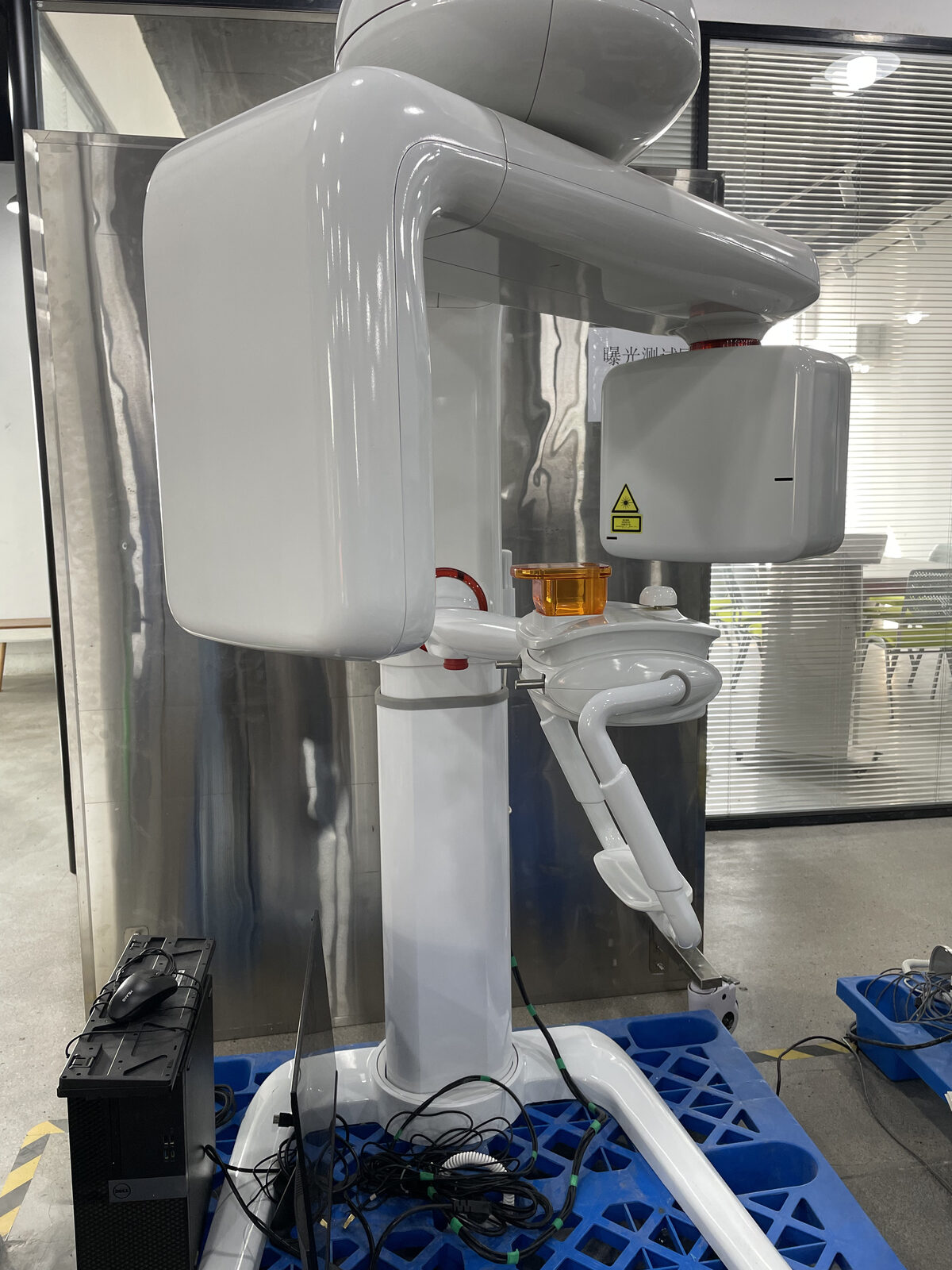
Zimbabwean private dental sector has grown meaningfully since 2022 as the broader Zimbabwean middle class has recovered purchasing power and medical tourism inbound from South Africa, Zambia, and Mozambique has created a referral pattern serving Harare and Bulawayo. Private dental hospitals in Harare’s Borrowdale, Mount Pleasant, and Avondale neighborhoods are now equipping imaging suites that would have been unthinkable in the 2015–2020 era. Recent inquiries for panoramic and CBCT equipment from Zimbabwean clinicians reflect this market shift. This guide walks through imaging equipment commissioning for a Zimbabwean private dental hospital in 2026.
"Panoramic x-ray machine" / "CBCT scan."
— Dental practices in Zimbabwe (contacts on file)
The Zimbabwean dental imaging market
Zimbabwe has roughly 16 million residents and an estimated 540 practicing dentists as of 2024, concentrated in Harare, Bulawayo, Gweru, and Mutare. The private dental sector has grown at approximately 10–15% annually since 2022. Market characteristics that shape imaging equipment commissioning:
- USD-denominated pricing for medical equipment is universal — ZWL (Zimbabwe dollar) is a domestic retail currency; virtually no international equipment transaction settles in ZWL
- Grid reliability in Harare is adequate but not reliable — 3–6 sustained power interruptions per month are typical, requiring UPS + backup generator infrastructure for CBCT installations
- Medical tourism from neighboring markets — South African patients seeking lower-cost implant and complex restorative care represent meaningful case volume for Harare private clinics
- Medicines Control Authority of Zimbabwe (MCAZ) regulation — dental imaging equipment falls under MCAZ’s medical device framework, plus Radiation Protection Authority of Zimbabwe (RPAZ) licensing for X-ray equipment
Equipment tier selection for a Harare private hospital
The right imaging tier depends on specialty mix and referral pattern:
- Basic digital panoramic OPG only: USD 11,500–16,500 FOB Shanghai. Appropriate for general dental practices doing routine diagnostic imaging.
- Panoramic + cephalometric combined: USD 16,500–24,000 FOB Shanghai. Adds orthodontic workflow. Good for multi-specialty private clinics.
- 2-in-1 panoramic + CBCT (8×8 to 12×9 FOV): USD 24,000–38,000 FOB Shanghai for new Chinese platforms; USD 28,000–45,000 for refurbished Vatech or similar. Appropriate for clinics doing implant surgery and endodontic retreatment.
- Dedicated CBCT (12×9 to 16×17 FOV): USD 35,000–58,000 FOB. Maxillofacial surgery, airway studies, orthodontic 3D planning.
For the Zimbabwean inquiry pattern — private hospitals asking about both panoramic and CBCT capability — the 2-in-1 platform at USD 24,000–38,000 FOB consolidates both imaging modes into a single footprint and single-technician operation. This is usually the right architectural choice for a first imaging commissioning.
Shipping Shanghai to Harare
Zimbabwe is landlocked. Practical shipping to Harare and Bulawayo:
- Shanghai to Durban (South Africa) + inland truck to Harare: 32–42 days ocean + 5–8 days road transit via Beitbridge border. Most common routing. Ocean + inland: USD 3,800–5,500 for crated imaging equipment.
- Shanghai to Beira (Mozambique) + inland truck to Harare: 35–44 days ocean + 3–5 days road via Forbes border. Alternative routing; sometimes faster customs at Beira.
- Shanghai to Dar es Salaam (Tanzania) + TAZARA rail to Zambia + road to Harare: 40–55 days total. Less common but viable for northern Zimbabwe destinations.
- Air freight Shanghai to Harare (HRE): via Addis Ababa or Johannesburg hub, 10–15 days, USD 6–9 per kg. Occasionally used for time-critical shipments.
MCAZ and RPAZ compliance
Zimbabwean medical device regulation has two coordinated components:
- MCAZ (Medicines Control Authority of Zimbabwe) — medical device registration for clinical use. Dental imaging equipment classifies as Class C (high risk). First-time registration timeline: 4–8 months. Requires manufacturer ISO 13485, CE marking, device description, and English-language IFU (no translation required for Zimbabwe).
- RPAZ (Radiation Protection Authority of Zimbabwe) — mandatory for X-ray equipment. Requires radiation room survey, facility licensing, operator certification. Timeline 6–12 weeks for established clinics with prior X-ray licensing; longer for first-time radiation facility setup.
- Import permit from Ministry of Health — required for first-time imports of Class C devices. Typically issued within 4–6 weeks of MCAZ registration approval.
Duty, VAT, and landed cost
Zimbabwean customs duty on dental imaging equipment (HS 9022.14): typically 5–15% depending on tariff classification, plus 14.5% VAT. Duty exemptions occasionally apply for medical equipment under specific statutory instruments; a Zimbabwean customs broker with medical category experience is essential. Worked example for a USD 28,000 FOB 2-in-1 panoramic + CBCT unit:
- FOB Shanghai: USD 28,000
- Ocean to Durban + inland truck to Harare: USD 4,800
- Insurance: USD 140
- CIF Harare: USD 32,940
- Import duty 10% (typical for this HS line): USD 3,294
- VAT 14.5% on CIF + duty: USD 5,254
- Broker, border fees, MCAZ/RPAZ fees, inland to clinic: USD 2,100
- All-in landed Harare private hospital: approximately USD 43,588
Power infrastructure: essential for Zimbabwean installations
Zimbabwean grid reliability requires serious power conditioning for imaging equipment:
- Online UPS 10–15kVA with 30-minute autonomy — protects CBCT during acquisition plus immediate image processing. USD 3,200–4,800 landed Harare.
- Voltage regulator 180–260V to 220V output — handles sags and surges. USD 800–1,400.
- Diesel backup generator 10–15kW — essential for clinics outside Harare CBD and prudent for all imaging-equipped clinics. USD 2,500–4,500.
- Surge protection at main distribution board — lightning strikes and grid switching events damage imaging electronics without surge protection. USD 400–800 for clinic-grade SPD.
Total power infrastructure for a CBCT installation in Harare: approximately USD 7,000–11,500 additional to equipment cost. This investment is the single largest determinant of long-term imaging equipment reliability in Zimbabwean practice.
Imaging volume economics
A Harare private dental hospital seeing 80–160 imaging cases per month across the panoramic + CBCT mix generates imaging revenue at approximately:
- Panoramic radiograph: USD 45–75 per scan (patient-paid)
- CBCT scan (small FOV, endodontic): USD 120–220
- CBCT scan (large FOV, implant planning): USD 180–320
Monthly imaging revenue target range USD 7,500–16,000 — imaging investment payback in 30–44 months against the USD 43,000 landed cost plus USD 9,000 power infrastructure. Additional case mix contribution from implant placements and endodontic retreatments enabled by imaging capability typically reduces actual payback to 18–28 months.
Medical tourism tilts the economics
A Harare dental practice at this imaging tier captures medical tourism volume from neighboring markets. Full-mouth dental implant treatment plans priced at USD 4,500–7,500 in Harare vs. USD 9,000–14,000 in Johannesburg or USD 15,000–22,000 in Cape Town draw meaningful cross-border patient volume. Integrated CBCT imaging is a prerequisite for winning these cases — patients and referring dentists evaluate clinics on imaging capability before any other criterion. Amortizing the imaging investment against 8–20 cross-border implant cases per year produces meaningful ROI regardless of local case volume.
Planning imaging commissioning for a Zimbabwean private hospital?
WhatsApp us with your location (Harare, Bulawayo, or elsewhere), case volume, and specialty mix (general, implant, orthodontic, maxillofacial). We’ll propose panoramic, panoramic+ceph, or CBCT configurations with FOB Shanghai pricing, MCAZ + RPAZ documentation timeline, power infrastructure specification, and landed cost analysis via Durban or Beira.
Chat on WhatsApp →