CBCT for Mexican Dental Clinics: COFEPRIS, NOM-229 Compliance, and US Medical Tourism Economics
How Mexican dental practices source CBCT imaging from Shanghai — covering COFEPRIS registration, NOM-229 certification, Manzanillo and Veracruz logistics, border-city US medical tourism economics, and Spanish-language commissioning.
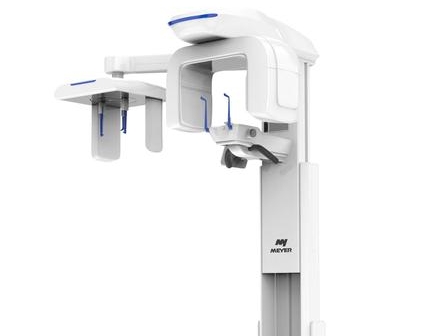
Mexican dental practice is one of the most sophisticated markets we serve in Latin America, particularly in the CBCT imaging category. Medical tourism inbound from the United States has driven substantial CBCT adoption in Mexican border cities — Tijuana, Ciudad Juárez, Nuevo Progreso, Monterrey — and domestic specialty clinics in Mexico City, Guadalajara, and Cancún have matured their imaging workflows to match US clinical expectations. A recent Mexican clinician inquiry for CBCT equipment captures the pattern. This guide walks through CBCT sourcing for Mexican dental practice, including COFEPRIS registration, NOM compliance, and border vs. interior logistics.
"Hi, I’m looking for a CBCT dental."
— Dental clinician in Mexico (contact on file)
The Mexican CBCT market
Mexico has roughly 130 million residents and an estimated 165,000 practicing dentists as of 2024 — one of the densest dental practitioner populations in Latin America. Market characteristics shaping CBCT commissioning:
- Border-city medical tourism drives demand — Tijuana and Ciudad Juárez clinics serve substantial US patient flow, particularly for implant surgery and complex restorative cases where CBCT imaging is clinically expected
- Mexico City and Guadalajara specialty referral networks — domestic endodontic, implant, and maxillofacial specialty centers commission CBCT as table-stakes capability
- USMCA trade framework — for US-origin medical equipment, duty-free treatment; Chinese-origin equipment subject to standard MFN duties (8–15% typical)
- COFEPRIS (Comisión Federal para la Protección contra Riesgos Sanitarios) is the medical device regulator, substantial but workable for dental CBCT
- NOM-229-SSA1 compliance — specific Mexican standard for medical X-ray equipment that adds compliance requirements beyond generic medical device frameworks
CBCT tier selection for Mexican practice
Mexican CBCT buyers typically fall into three tiers with distinct equipment needs:
- Tier 1: General dental practice adding CBCT capability. 2-in-1 panoramic + CBCT platform with 8×8 to 12×9 FOV. Chinese-origin: USD 24,000–38,000 FOB. Refurbished Vatech or Carestream: USD 28,000–45,000 FOB.
- Tier 2: Implant / endodontic specialty clinic. Dedicated CBCT with 12×9 to 16×17 FOV. Chinese-origin: USD 35,000–55,000 FOB. Refurbished premium brands: USD 42,000–72,000 FOB.
- Tier 3: Cross-border medical tourism clinic. Clinical expectations matched to US benchmark. Frequently opt for refurbished premium brands (Vatech Green, Planmeca ProMax 3D, Carestream CS 9300) at USD 55,000–95,000 FOB to align with referring US clinicians’ familiar equipment.
NOM-229-SSA1 compliance: the non-negotiable
Mexico’s NOM-229-SSA1-2002 (Norma Oficial Mexicana) specifies safety, performance, and operational requirements for medical X-ray equipment. Key compliance requirements for CBCT installation:
- Equipment certification — CBCT must carry valid NOM-229 certification from a recognized certification body (typically ANCE or NYCE for Mexican certifications)
- Radiation shielding room certification — installation room must be surveyed and certified by a radiation physicist registered with COFEPRIS
- Operator certification — radiographic technicians operating CBCT must hold valid Mexican radiation operator credentials (Curso de Protección Radiológica)
- Periodic quality control — annual QC testing by certified radiation physicist, results submitted to COFEPRIS
- Dose monitoring and reporting — patient dose records maintained per Mexican health regulations
Chinese CBCT manufacturers increasingly maintain NOM-229 certifications for the Mexican market. Confirm specific NOM-229 certification status before ordering — a CBCT without valid Mexican certification cannot legally operate in Mexican clinical practice regardless of other international certifications.
COFEPRIS registration
Medical device registration through COFEPRIS for dental CBCT:
- Classification: Class III (high risk, ionizing radiation)
- First-time registration timeline: 6–12 months typical
- Required documentation: manufacturer ISO 13485, CE marking or FDA clearance, clinical evaluation, Spanish-translated IFU and labels, NOM-229 certification, risk analysis per ISO 14971
- Mexican Authorized Representative required — local entity that holds regulatory responsibility for the device
- For single-unit personal clinical imports by practicing dentists: simplified import protocol under medical equipment personal-use provisions is typically acceptable when accompanied by appropriate clinical credentials
Shipping Shanghai to Mexico
Mexican CBCT imports route through multiple entry points:
- Shanghai to Manzanillo (Pacific coast): 22–32 days port-to-port, primary entry for central Mexico (Mexico City, Guadalajara, León). USD 1,600–2,600 for 20ft container.
- Shanghai to Lazaro Cardenas: 24–34 days, alternative Pacific coast entry, good for Michoacán and central Mexican states
- Shanghai to Veracruz (Atlantic): 35–45 days via Panama Canal, primary for eastern Mexico (Cancún, Veracruz, Gulf coast clinics)
- Air freight Shanghai to Mexico City (MEX) or Guadalajara (GDL): 7–11 days, USD 5–8 per kg
- Customs clearance at Mexican ports: 5–12 business days typical for medical equipment with COFEPRIS documentation
Duty, VAT, and landed cost
Mexican customs duty on dental CBCT (HS 9022.14): typically 10–15% duty for Chinese-origin (MFN rates), plus 16% IVA. Additional charges: DTA (Derecho de Trámite Aduanero), broker fees. Worked example for a USD 35,000 FOB CBCT unit:
- FOB Shanghai: USD 35,000
- Ocean freight + insurance to Manzanillo: USD 2,800
- CIF Manzanillo: USD 37,800
- Customs duty 12%: USD 4,536
- IVA 16% on CIF + duty: USD 6,774
- DTA + broker + inland to Mexico City: USD 2,100
- COFEPRIS registration amortized first-time cost: USD 3,500
- All-in landed Mexico City clinic: approximately USD 54,710
Border-city economics and US patient flow
For Tijuana, Ciudad Juárez, Nuevo Progreso, and similar border clinics serving US medical tourism, CBCT investment economics are structurally different from interior Mexican clinics:
- US patient pricing for full-mouth implant treatment: USD 8,000–18,000 per case (vs. USD 35,000–60,000 in the US)
- Typical border clinic serves 60–180 full treatment cases per year from US patient flow
- CBCT imaging is a prerequisite for these cases — US referring dentists and patients expect CBCT-planned treatment
- CBCT investment recovery: often inside 6–12 months for active border medical tourism clinics
Power and environmental considerations
Mexican grid reliability varies substantially by region:
- Mexico City, Guadalajara, Monterrey: excellent grid stability, basic UPS adequate (5–8kVA)
- Border cities: excellent stability, basic UPS adequate
- Coastal and rural clinics: brownout frequency higher; 10kVA UPS + voltage stabilizer + surge protection recommended
- Power infrastructure typical cost: USD 2,500–5,500 depending on location and CBCT specifications
Training and commissioning in Mexico
Chinese CBCT manufacturers maintain active Spanish-language support for Mexican market:
- Spanish-language firmware and software
- Spanish-language IFU, QC documentation, service manuals
- Remote commissioning support via WhatsApp/Zoom (8–12 hours typical for CBCT installation)
- Regional field service partners based in Mexico City and Monterrey for annual calibration and repair visits
- Parts stocking through Mexico-based distribution partnerships for common consumables and service parts
Commissioning CBCT for your Mexican clinic?
WhatsApp us with your city (Mexico City, Guadalajara, Tijuana, Ciudad Juárez, Monterrey, Cancún, or elsewhere), specialty mix, and patient flow (domestic vs. US medical tourism). We’ll recommend Chinese new CBCT or refurbished premium brand configurations, quote CIF Manzanillo or Veracruz with COFEPRIS + NOM-229 documentation roadmap, and landed cost analysis.
Chatear por WhatsApp →