Milling Machine + 3D Printer + Zirconia Ceramic Workflow for Philippine Dental Labs
A Manila-based dental lab asked about combining milling machine with 3D zirconia/ceramic printer for a full CAD/CAM workflow. Here's how the two machines complement each other, and the landed cost bundle.
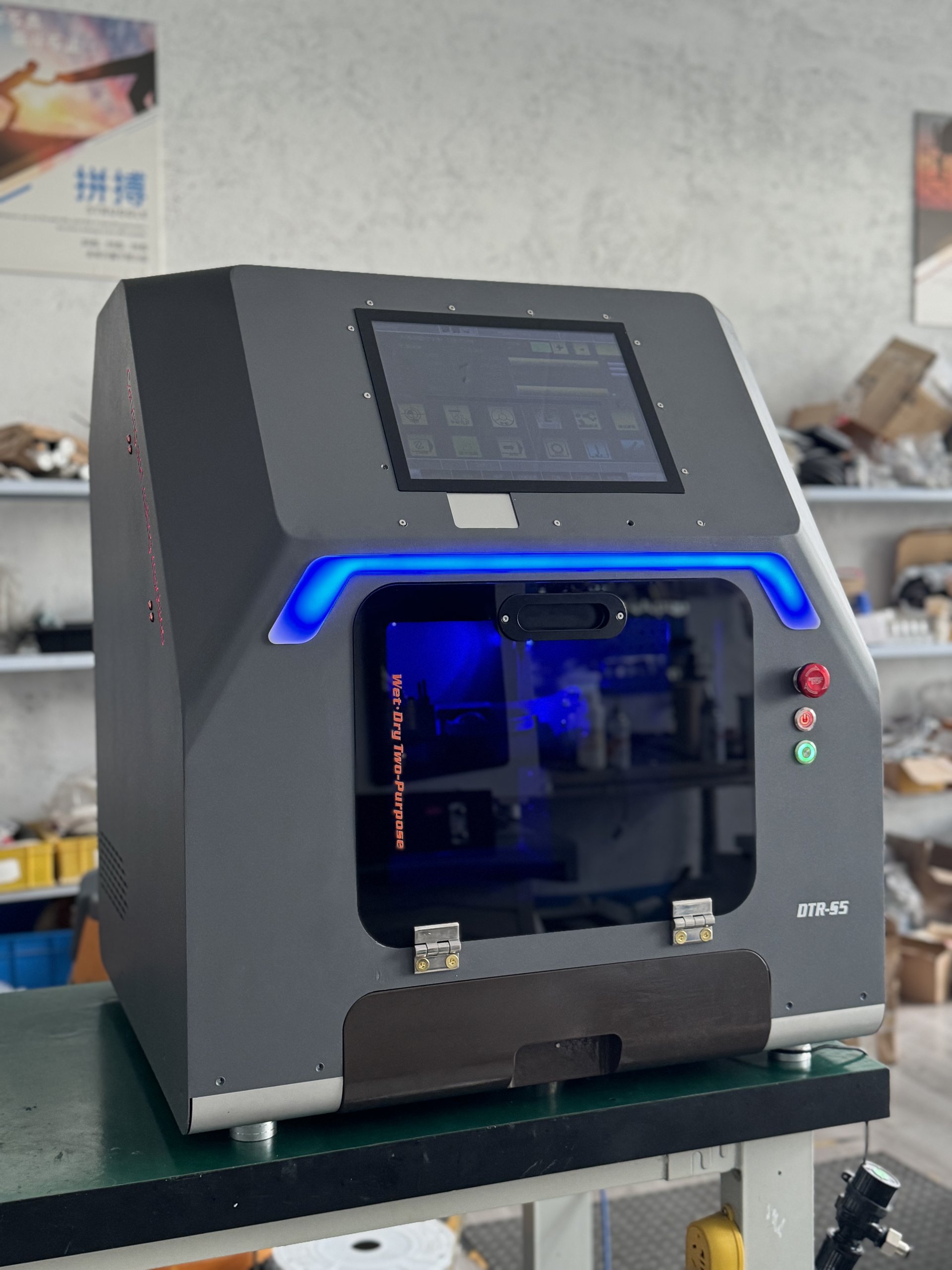
A Philippines-based dental lab buyer asked specifically about combining a milling machine with a 3D zirconia / ceramic printer for their CAD/CAM setup. This is actually a smart question because the two technologies serve different parts of the restoration workflow — they're complementary, not competing. Here's how they fit together in a modern Philippine dental lab, and what the combined landed cost looks like.
Milling vs 3D printing: what each is actually best at
The decision isn't milling or printing — it's milling for some cases and printing for others:
- Milling (subtractive): zirconia crowns, bridges, implant abutments, wax-up for lost-wax casting, PMMA provisionals, PEEK frameworks. Best when you need dense material, glass-ceramic strength, or high-strength zirconia blocks.
- 3D printing (additive): surgical guides, dental models for thermoforming, clear aligner models, castable patterns, and — with newer zirconia-ceramic slurry resins — green-state zirconia restorations that sinter to full density.
A Philippine lab doing varied work needs both. Using only milling means you waste expensive zirconia blocks on models and guides (printing is 10x cheaper for those); using only printing means you can't produce the high-strength restorations that command premium pricing.
The workflow split in practice
Typical case allocation for a modern dental lab:
- Zirconia crowns/bridges: milled on DTR-55 from pre-sintered blocks
- Surgical implant guides: printed on 8K LCD printer with surgical-guide resin
- Diagnostic models: printed from STL in model resin (fast, cheap)
- Clear aligner models: printed in transparent aligner-model resin
- Wax-ups / castable patterns: printed in castable resin, then cast in conventional lost-wax
- PMMA provisionals: milled from PMMA blocks
- Experimental: 3D printed zirconia (still early, but viable for non-structural crowns)
Our DTR-55 milling + 4K/8K LCD printer bundle
For a Philippine lab starting CAD/CAM:
- DTR-55 5-axis mill with 11-tool library, zirconia + PMMA + wax + PEEK capable
- 8K LCD 3D printer with surgical guide, aligner model, and castable resin workflows
- Or 4K printer if budget-constrained — handles model printing perfectly, insufficient for surgical guide fine detail
The 8K upgrade over 4K matters specifically for surgical guides (where fit tolerance at 100 μm matters for implant positioning) and occasional fine-detail prosthetics. For model printing alone, 4K is fine and saves USD 2,500-4,000.
Shanghai → Manila logistics
Sea freight Shanghai → Manila (South Harbor or Manila International): 10-14 days, USD 220-380 per CBM LCL. Both the DTR-55 (≈0.8 CBM) and the 8K printer (≈0.3 CBM) fit together in 1.5 CBM of LCL space — total freight USD 450-750.
For a single bundle order, LCL is practical. For ongoing lab supplier relationship (monthly consumables, additional tooling), consider opening a Manila warehouse relationship with a logistics partner so continuous small orders share container space with other imports.
Philippine import duty and BIR registration
For CAD/CAM dental equipment (HS 8456, 8443.32, 9018.49):
- Customs Duty: 0-5% depending on specific HS classification (dental equipment often 0%)
- VAT: 12% on CIF + duty (recoverable for VAT-registered businesses)
- FDA registration: required for equipment used in medical restoration manufacturing — 2-4 months process
- BIR registration: your lab should already be registered; the imported equipment adds to your asset register
Manila customs clearance: typically 5-10 days. Customs brokerage: PHP 15,000-30,000 (USD 270-540).
Landed bundle cost in Manila
For DTR-55 mill + 8K LCD printer + starter tooling and resin pack:
- FOB Shanghai DTR-55: USD 13,000
- FOB Shanghai 8K printer with resin starter pack: USD 4,500
- Starter zirconia blanks (10) + milling tool set: USD 750
- Sea freight Shanghai → Manila: USD 680
- Customs + VAT + clearance: USD 2,850
- Inland to your Manila lab: USD 80-150
- Total commissioned: USD 21,800-22,100
With 4K printer instead of 8K, subtract roughly USD 2,800 — total lands around USD 19,000.
Ramp-up timeline for a new Philippine CAD/CAM lab
From first installation to steady-state production:
- Week 1-2: installation, operator training, first test crowns (we support remote via WhatsApp)
- Weeks 3-6: trial cases, workflow refinement, CAM software integration with your existing Exocad or 3Shape design workflow
- Month 2: first external-dentist cases if you're taking outside work
- Month 3-4: typical production rate reaches 20-40 crowns/week plus 5-10 surgical guides/week
- Month 6+: mature workflow, considering second shift or second mill for capacity
Have a specific unit in mind?
Tell us which model you want and your destination port — we'll quote FOB or CIF with a video demo of the actual unit in our warehouse.