3-in-1 Combo vs Dedicated CBCT: Panoramic+Cephalometric+CBCT Decision Framework
How dental practices decide between 3-in-1 combination (pan+ceph+CBCT) and dedicated CBCT architectures from Shanghai — decision framework by practice type (orthodontic, implant, endodontic, oral surgery, comprehensive), shared vs dual detector architecture, capital cost and 5-year TCO comparison, space efficiency analysis, image quality tradeoffs, regulatory considerations, and FOB Shanghai pricing across 3-in-1 combination unit quality tiers.
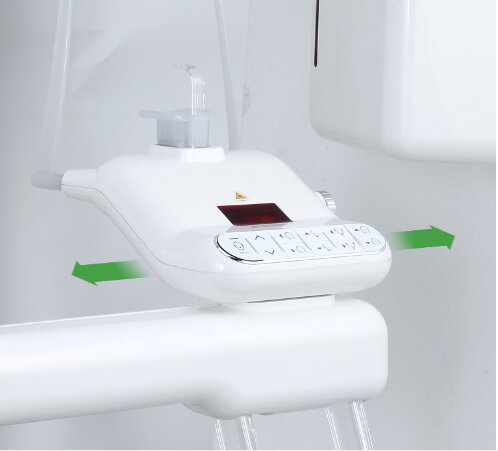
3-in-1 combination units bundle panoramic, cephalometric, and CBCT imaging modalities into a single floor-standing machine, delivering comprehensive 2D and 3D dental imaging capability from one installation. For practices commissioning imaging capability for the first time — or replacing multiple aging units with a single modern platform — the decision between 3-in-1 combination, 2-in-1 panoramic+cephalometric, and dedicated CBCT (with separate panoramic if needed) involves meaningful tradeoffs in capital cost, space efficiency, workflow integration, image quality, and long-term flexibility. This guide walks through the 3-in-1 vs. dedicated CBCT decision framework for practices sourcing imaging equipment from Shanghai.
The three architectural approaches
3-in-1 combination unit (pan + ceph + CBCT)
- Architecture: single floor-standing unit housing panoramic, cephalometric, and CBCT imaging in shared gantry with mode-switching
- Capital cost FOB Shanghai: USD 32,000–55,000 for Chinese mid-tier
- Floor space: 2.2×1.8m footprint plus ceph arm extension (approximately 3.0×1.8m total)
- Typical detector design: shared detector with mode switching, or dual detector (panoramic + CBCT with CBCT also handling ceph)
2-in-1 pan+ceph + separate CBCT (or no CBCT)
- Architecture: dedicated 2-in-1 pan+ceph unit, separate dedicated CBCT unit (or no CBCT capability)
- Capital cost FOB Shanghai: USD 18,000–32,000 for 2-in-1 pan+ceph; + USD 28,000–55,000 for separate CBCT if added
- Floor space: 2.2×1.8m for 2-in-1 (with ceph arm) + separate CBCT room if CBCT added
- Flexibility: modular expansion — add CBCT later if not initially justified
Dedicated CBCT (with optional 2D capability)
- Architecture: dedicated CBCT unit; some units offer panoramic reconstruction from CBCT (“synthetic panoramic”)
- Capital cost FOB Shanghai: USD 28,000–80,000 depending on tier
- Floor space: 2.0×1.8m typical footprint (no ceph arm extension)
- Limitation: no true lateral cephalometric; synthetic panoramic acceptable quality but not optimized
Decision framework by practice type
Orthodontic-focused practice
- Primary imaging needs: panoramic (routine), lateral cephalometric (records, planning), CBCT (selective for impactions, surgical planning)
- Optimal architecture: 3-in-1 combination provides all three modalities in unified workflow
- Rationale: orthodontic practice needs ceph capability routinely; CBCT is occasional; 3-in-1 delivers both without running separate CBCT
- Alternative: 2-in-1 pan+ceph adequate if CBCT case volume < 3–5 per month; external CBCT referral for CBCT-indicated cases
Implant-focused general practice or implant specialty
- Primary imaging needs: CBCT (primary for implant planning), panoramic (screening and overview)
- Lateral ceph: rarely needed for implant practice
- Optimal architecture: dedicated CBCT + separate panoramic unit, or 3-in-1 if panoramic workflow volume justifies
- Rationale: implant practice uses CBCT heavily; ceph capability unused; paying for unused capability in 3-in-1 is economic waste
- Alternative: 3-in-1 acceptable if practice does some orthodontic work or records orthodontic referrals internally
Endodontic specialty practice
- Primary imaging needs: small-FOV CBCT (primary), intraoral radiograph (routine)
- Lateral ceph: not needed
- Panoramic: occasional
- Optimal architecture: dedicated small-FOV CBCT; intraoral X-ray sensor for routine periapical imaging
- Rationale: endodontic practice needs high-resolution small-FOV CBCT specifically; 3-in-1 optimizes for large-FOV general imaging not endodontic specialty needs
Comprehensive multi-disciplinary practice
- Primary imaging needs: all modalities (panoramic, cephalometric, CBCT, intraoral)
- Optimal architecture: 3-in-1 combination unit for comprehensive capability in unified workflow
- Rationale: mixed orthodontic + restorative + implant + endodontic case mix uses all imaging modalities regularly; 3-in-1 integration justifies capability premium
- Budget consideration: 3-in-1 is typically more cost-effective than separate pan+ceph + separate CBCT for comprehensive practice
Orthognathic surgical practice
- Primary imaging needs: large-FOV CBCT (primary for surgical planning), lateral cephalometric (routine), panoramic (routine)
- Optimal architecture: 3-in-1 or premium dedicated CBCT with ceph capability
- Rationale: orthognathic workflow uses CBCT + ceph together extensively; 3-in-1 provides efficient workflow
Oral surgery practice (implant + extraction + pathology focus)
- Primary imaging needs: CBCT (primary for surgical planning), panoramic (routine)
- Lateral ceph: rarely needed unless orthognathic integrated
- Optimal architecture: dedicated CBCT + panoramic, or 3-in-1 if ceph is occasional need
Technical architecture tradeoffs
Shared detector architecture (legacy 3-in-1)
- Single flat-panel detector that repositions for different modalities
- Advantage: lower manufacturing cost
- Limitation: detector positioning mechanism adds complexity and potential failure point
- Limitation: detector size typically compromised for both panoramic and CBCT needs
- Workflow: mode switch requires detector reconfiguration (30–90 seconds)
- Quality: CBCT image quality acceptable but not optimal due to detector compromise
Dual detector architecture (modern 3-in-1)
- Dedicated panoramic detector + dedicated CBCT detector (with CBCT detector also handling cephalometric when applicable)
- Advantage: each detector optimized for its modality
- Advantage: faster mode switching (no detector reconfiguration)
- Advantage: better image quality per modality
- Cost: higher manufacturing cost (reflected in unit price)
- Standard: mid-tier and premium 3-in-1 units
Dedicated CBCT detector architecture
- Single large-area flat-panel detector optimized purely for CBCT
- Advantage: optimal CBCT image quality
- Advantage: simpler mechanical design
- Limitation: no native panoramic or cephalometric capability (synthetic panoramic only)
Image quality comparison
Panoramic image quality
- Dedicated 2D panoramic: optimized detector, 5–6.5 lp/mm resolution, best panoramic image quality
- 3-in-1 with dual detector: comparable panoramic quality to dedicated 2D
- 3-in-1 with shared detector: acceptable but typically 4–5 lp/mm panoramic resolution
- Synthetic panoramic from dedicated CBCT: derived from CBCT volume, lower resolution and geometric accuracy than true panoramic
Cephalometric image quality
- Dedicated ceph detector or 3-in-1 dual-detector: 30×25cm capture area, 4–6 lp/mm resolution
- 3-in-1 shared detector: may require stitched ceph (two captures combined), acceptable quality
- Dedicated CBCT: no lateral cephalometric capability
CBCT image quality
- Dedicated CBCT: optimal CBCT image quality, full voxel range, premium reconstruction
- 3-in-1 with dual detector: very good CBCT quality, comparable to mid-tier dedicated CBCT
- 3-in-1 with shared detector: adequate CBCT quality but detector is compromise between modalities; typically limited voxel and FOV range
Workflow efficiency comparison
Single-patient workflow (all three modalities needed)
- 3-in-1 combination: single patient positioning, sequential captures in 3–5 minutes total; no patient repositioning between modalities
- Separate pan+ceph + separate CBCT: patient moves between two rooms, separate positioning for each; 8–15 minutes total workflow
- Benefit to 3-in-1: 30–60% time saving, improved patient experience, reduced staff workflow
Single-modality workflow (most common case)
- 3-in-1: single mode selected, standard workflow
- Dedicated CBCT: single mode, optimized workflow
- No meaningful difference for single-modality appointments
Multi-patient throughput
- 3-in-1 shared detector: mode switching adds 30–90 seconds between patients using different modalities
- 3-in-1 dual detector: immediate mode switching
- Dedicated machines: no mode switching, but patient movement between rooms
Capital cost analysis
Comprehensive equipment scenario (practice needing all modalities)
Option A: 3-in-1 combination unit
- 3-in-1 unit (mid-tier): USD 40,000 FOB + USD 8,000 shipping/duty/install = USD 48,000 landed
- Imaging workstation: USD 2,500 landed
- Shielding and room: USD 8,000
- Total: USD 58,500
Option B: Separate 2-in-1 pan+ceph + dedicated CBCT
- 2-in-1 pan+ceph (mid-tier): USD 24,000 FOB + USD 5,000 landed cost = USD 29,000 landed
- Dedicated CBCT (mid-tier): USD 42,000 FOB + USD 8,000 landed cost = USD 50,000 landed
- 2× imaging workstations: USD 5,000
- 2× shielding and rooms: USD 14,000
- Total: USD 98,000
Option C: Dedicated CBCT only (no ceph capability)
- Dedicated CBCT with synthetic panoramic (mid-tier): USD 38,000 FOB + USD 7,000 landed = USD 45,000 landed
- Imaging workstation: USD 2,500
- Shielding and room: USD 8,000
- Total: USD 55,500
- Limitation: no lateral cephalometric; must refer ceph cases externally or skip ceph
Savings analysis
- 3-in-1 (Option A) vs. separate (Option B): USD 39,500 capital savings favoring 3-in-1
- 3-in-1 (Option A) vs. dedicated CBCT only (Option C): USD 3,000 premium for ceph capability
- Decision point: is lateral ceph capability worth USD 3,000 over 7–10 year equipment life?
Space efficiency
3-in-1 floor space
- Main unit: 2.2×1.8m
- Ceph arm extension: adds 0.8–1.2m lateral space
- Total: approximately 3.0×1.8m (5.4 m²)
- Shared imaging room
Separate units floor space
- 2-in-1 pan+ceph: 3.0×1.8m (5.4 m²)
- Dedicated CBCT: 2.0×1.8m (3.6 m²)
- Total: 9 m²
- Two separate imaging rooms
Space premium of separate units
- 3.6 m² additional space required
- In space-constrained practices, this is a meaningful commitment
- In large facilities, space premium may be acceptable for image quality benefits
Flexibility and future-proofing
3-in-1 flexibility
- Single unit serves all imaging needs
- Single unit failure eliminates all imaging until repair
- Upgrade requires full unit replacement
- Software upgrades shared across modalities
Separate units flexibility
- Redundancy: one unit failure leaves other modalities available
- Modular upgrade: replace individual modalities as technology evolves
- CBCT technology advances faster than 2D panoramic; separate architecture allows CBCT upgrade without replacing 2D capability
Regulatory considerations
- Classification: 3-in-1 is typically classified as Class IIb medical device (CBCT-level classification)
- Destination country registration: single registration process for 3-in-1 vs. separate registrations for separate units (generally simpler with 3-in-1)
- Radiation safety: single installation and shielding analysis for 3-in-1 vs. two separate installations
- Operator certification: single equipment training vs. multiple equipment types
Chinese 3-in-1 combination unit quality tiers
Entry-tier 3-in-1 (USD 32,000–42,000 FOB)
- Shared detector architecture
- Limited CBCT FOV (typically up to 12×9cm)
- 150µm minimum voxel typical
- Basic imaging software
- Fit: comprehensive general practice, cost-conscious commissioning
Mid-tier 3-in-1 (USD 42,000–52,000 FOB)
- Dual detector architecture
- CBCT FOV up to 16×10cm
- 100µm voxel capability
- Comprehensive software including implant planning
- Fit: mainstream comprehensive practice, orthognathic surgical practice
Premium 3-in-1 (USD 52,000–70,000 FOB)
- Dual detector with premium CMOS
- CBCT FOV up to 17×13cm, 75µm voxel capability
- Advanced reconstruction, metal artifact reduction, motion compensation
- Premium software with specialty analysis tools
- Fit: specialty practice, academic, teaching institution
Typical procurement scenarios
Scenario 1: New practice commissioning comprehensive imaging
- Mid-tier 3-in-1 combination unit: USD 45,000 FOB
- Total landed: USD 55,000–62,000
- Commissioning time: 3–5 months
- Rationale: single unit establishes comprehensive imaging capability with integrated workflow
Scenario 2: Existing practice replacing aging panoramic + adding CBCT
- 3-in-1 replacement: USD 45,000 landed total
- Alternative: keep aging panoramic, add dedicated CBCT: USD 50,000–55,000 for CBCT
- 3-in-1 typically more economical and better long-term architecture
Scenario 3: Implant-focused specialty practice with modest 2D needs
- Dedicated CBCT with synthetic panoramic: USD 42,000 landed
- Ceph capability not needed; savings justify dedicated architecture
- Primary specialty workflow optimized
Scenario 4: Orthognathic surgical practice
- Premium 3-in-1 with ortho/surgical software: USD 65,000 landed
- All modalities integrated; surgical planning software ecosystem
- Premium tier justified by specialty clinical needs
Common decision mistakes
- Buying 3-in-1 for implant-focused practice: paying for unused ceph capability; dedicated CBCT is typically better value for pure implant practice
- Buying dedicated CBCT without ceph for orthodontic practice: missing routine ceph capability creates ongoing referral workflow friction
- Buying separate units without space justification: space premium is substantial; justify with clinical workflow analysis
- Assuming 3-in-1 image quality equals dedicated units: shared-detector 3-in-1 compromises on image quality; dual-detector units approach but don’t always match dedicated quality
- Over-investing in premium 3-in-1 for general practice: mid-tier 3-in-1 is usually adequate; premium tier justifies only for specialty applications
- Under-budgeting for shielding and installation: 3-in-1 requires comprehensive radiation shielding; plan accordingly
Decision framework summary
3-in-1 combination is the right choice when
- Practice needs all three modalities (pan + ceph + CBCT) regularly
- Single imaging room available (space constraint)
- Comprehensive multi-disciplinary practice
- Orthognathic surgical focus
- Budget prioritizes breadth over specialty image quality
Dedicated CBCT is the right choice when
- Implant, endodontic, or oral surgery specialty focus
- Lateral ceph rarely needed
- Specialty clinical workflow justifies optimized CBCT image quality
- Budget prioritizes depth in primary clinical specialty
Separate 2-in-1 pan+ceph + dedicated CBCT is the right choice when
- Space available for two imaging rooms
- Clinical volume justifies dual-room workflow efficiency
- Prefer modular architecture for future upgrade flexibility
- Large multi-operatory facility with established imaging workflow
Deciding between 3-in-1 combo and dedicated CBCT from Shanghai?
WhatsApp us with your practice clinical mix (general, orthodontic, implant, endodontic, surgical), expected imaging modality volume by type (panoramic scans/month, ceph/month, CBCT/month), available imaging room space, destination country, and budget. We’ll work through the 3-in-1 vs. dedicated CBCT decision for your specific context, compare total landed cost and 5-year TCO across architectures, propose CBCT and imaging unit options matched to your clinical workflow, and quote FOB Shanghai pricing with full commissioning package landed cost analysis.
Chat on WhatsApp →Have a specific unit in mind?
Tell us which model you want and your destination port — we'll quote FOB or CIF with a video demo of the actual unit in our warehouse.