CBCT for Implant Planning: Surgical Guide, Dynamic Navigation, and Software Workflow
How dental practices build CBCT-based implant planning workflow from Shanghai — CBCT specifications for implant planning, DICOM to planning software to surgical guide fabrication, static guide vs dynamic navigation tradeoffs, in-house vs outsourced guide fabrication economics, planning software ecosystem, and complete commissioning package landed cost.
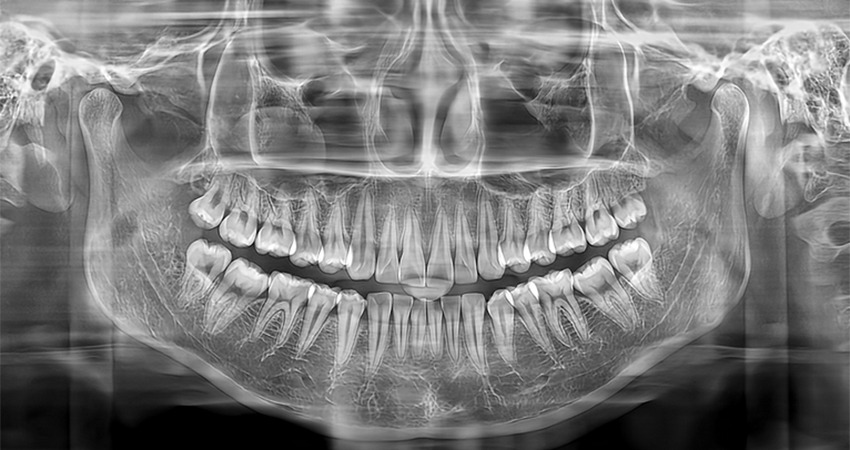
Implant surgical planning is the single highest-value clinical application of CBCT imaging in most general and specialty dental practice. CBCT enables precise pre-surgical planning of implant position, angulation, and length in 3D bone context, and — critically — supports fabrication of static surgical guides or integration with dynamic navigation systems that transfer the planned implant position into actual surgery. This guide walks through the CBCT-to-surgical-guide workflow, equipment and software considerations, and procurement implications for practices commissioning an integrated implant planning workflow from Shanghai.
The CBCT-to-implant-placement workflow
End-to-end workflow for CBCT-guided implant surgery:
- Clinical examination and diagnostic workup: caries risk, periodontal status, occlusal analysis
- Intraoral scan or conventional impression: captures soft tissue and tooth surface in 3D
- CBCT scan: captures bone anatomy, mandibular canal position, sinus floor, adjacent root positions
- Data registration: IOS/impression data merged with CBCT data in planning software (dual scan registration or direct registration via fiducial markers)
- Virtual implant planning: implant position, angulation, depth planned in planning software considering both bone anatomy and prosthetic position (“restoratively driven planning”)
- Surgical guide design: static surgical guide designed to transfer planned implant position to intraoperative placement
- Guide fabrication: 3D printing (SLA or DLP) of surgical guide from biocompatible resin
- Guide verification: fit verification on plaster or printed model before surgery
- Surgical placement: sterile surgical guide used intraoperatively to guide pilot drill and implant placement
- Post-operative verification (optional): CBCT or periapical radiograph verifying final implant position
CBCT specifications for implant planning
FOV requirements
- Single-tooth implant: 8×8cm FOV typically adequate; 5×5cm in esthetic zone
- Multi-tooth / quadrant implant: 10×10cm to 12×9cm FOV
- Full-arch implant-supported prosthesis: 12×9cm to 16×10cm FOV
- Any-area implant screening: 16×10cm or larger FOV for comprehensive anatomy
Voxel size requirements
- Standard implant planning: 150µm adequate for most cases
- Esthetic zone precision: 100µm preferred for anterior implant positioning
- Critical proximity to mandibular canal: 100µm for clear canal visualization
- Avoid unnecessarily small voxel: 75µm rarely clinically necessary for implant planning
Image quality requirements
- Cortical bone definition: clear cortical plate visualization for bone density and available bone volume assessment
- Trabecular bone visualization: internal bone quality assessment for primary stability prediction
- Mandibular canal visibility: clear nerve canal identification for safe placement
- Sinus floor visibility: maxillary sinus floor and septa for sinus lift planning
- Adjacent root roots visualization: adjacent teeth for safe angulation planning
Implant planning software categories
Manufacturer planning software
- Typical CBCT manufacturers bundle planning software with machine (InVivoDental, EzDent-i, CS Imaging, Romexis Implant, SimPlant integration, etc.)
- Advantage: tight integration with CBCT data, consistent workflow
- Limitation: often limited to specific implant brand libraries, less comprehensive than specialized software
Dedicated implant planning software
- coDiagnostiX (Dental Wings): comprehensive planning with extensive implant library, static and dynamic surgical guide integration
- Blue Sky Plan (Blue Sky Bio): free version for basic planning, paid version for surgical guide export
- 3Shape Implant Studio: integrated with 3Shape ecosystem
- Implant Studio (Nobel Biocare): proprietary to Nobel implant system
- Straumann coDiagnostiX: Straumann-optimized implementation
- In2Guide, DIOnavi, ExoPlan, various others
Open source and budget options
- Blue Sky Plan (free tier): basic planning without guide export
- Various Chinese planning software: budget option for Chinese market, mixed international compatibility
Surgical guide fabrication workflow
In-house 3D printing
- Equipment required: SLA or DLP 3D printer (USD 3,500–15,000 FOB Shanghai) + post-cure chamber + surgical guide resin + planning software with guide export
- Material: biocompatible surgical guide resin (USD 120–280/liter FOB Shanghai), autoclavable for sterilization
- Total cost per guide: USD 8–25 material cost, plus labor
- Turnaround: typically 2–6 hours from planning completion to ready guide
- Break-even: typical 30–80 guides vs. outsource fabrication
Outsourced guide fabrication
- Typical cost: USD 120–350 per surgical guide at guide fabrication services
- Turnaround: 5–10 business days typical
- Quality: generally high, consistent; fabrication service includes QA and guide verification
- Suitable for: low-volume practices, complex full-arch cases, practices without in-house 3D printing
Static surgical guide vs. dynamic navigation
Static surgical guide
- Mechanism: physical 3D-printed guide with drill sleeves constrains drill position and angulation
- Accuracy: typical 1.0–2.0mm linear deviation, 3–5° angular deviation at implant apex in clinical conditions
- Advantages: lower capital cost, consumable per case, proven clinical workflow, no intraoperative electronic equipment
- Disadvantages: guide must be fabricated in advance; modifications intraoperatively limited
- Cost per case: USD 150–350 all-in (guide + planning time)
Dynamic navigation
- Mechanism: optical tracking cameras monitor handpiece and patient position; real-time visualization of drill relative to planned position on monitor
- Accuracy: typical 1.0–1.5mm linear deviation, 2–4° angular deviation
- Advantages: intraoperative planning modification possible, single tracking system serves multiple procedures, no per-case guide fabrication
- Disadvantages: higher capital cost (USD 25,000–65,000 for navigation system), learning curve, operating room setup complexity
- Cost per case: capital amortization + calibration (varies by case volume)
Planning software specifications to verify
- DICOM import: standard DICOM 3.0 import from any CBCT
- STL import: intraoral scan data integration
- Registration quality: visual verification of IOS-CBCT registration accuracy
- Implant library: confirm library includes implant systems used in your practice; typical 200–800 implant libraries in comprehensive planning software
- Surgical guide export: STL export for in-house printing or service fabrication
- Backup and case archive: local storage vs. cloud ecosystem
- Multi-doctor licensing: for group practice workflow
- Training and support: manufacturer training, tutorials, user community
CBCT + IOS + 3D printer package for integrated implant planning
Complete integrated implant planning package from Shanghai:
- Mid-tier CBCT with implant-optimized protocol library: USD 32,000–45,000 FOB
- Intraoral scanner (mid-tier): USD 10,500–15,000 FOB
- 3D printer for surgical guide fabrication: USD 3,500–8,000 FOB
- Post-cure chamber: USD 500–1,200 FOB
- Planning software license: USD 2,500–8,000 (or subscription USD 1,500–3,500/year)
- Surgical guide resin initial inventory: USD 400–800
- Total FOB Shanghai: USD 49,400–78,000 for comprehensive package
- Landed cost typical destination: USD 60,000–96,000 including shipping, duties, installation
Economic analysis: CBCT planning workflow
- Per-case direct cost (in-house): USD 25–85 for CBCT + planning time + guide material
- Per-case all-in cost (outsourced): USD 180–500 for external CBCT fee + outsourced guide service
- Typical implant fee range: USD 800–4,500 per implant placement depending on destination market
- Guided-placement premium: 10–25% price premium over free-hand placement at many practices
- Case acceptance improvement: 15–30% higher full-arch case acceptance with digital planning vs. conventional workflow
- Complication reduction: guided placement substantially reduces nerve damage, sinus perforation, and angulation complications; medico-legal value
- Payback for integrated package: typically 15–40 implant cases at mainstream clinical fees
Clinical safety benefits of CBCT-guided implant surgery
- Mandibular canal safety: precise nerve canal visualization and safe implant length selection
- Sinus floor safety: known distance to sinus floor for implant length and sinus lift decision
- Cortical bone assessment: primary stability prediction
- Adjacent root protection: safe angulation relative to adjacent teeth
- Restorative-driven planning: prosthetic position drives implant position (vs. bone-only planning)
- Documentation: pre-surgical plan documents clinical decision-making for medico-legal records
Common implementation mistakes
- CBCT without compatible planning software: buying CBCT without verifying DICOM export and planning software compatibility
- Planning software without adequate implant library: discovering mid-workflow that your preferred implant system isn’t supported
- In-house guide printing without adequate printer: budget printer insufficient accuracy for reliable guide fabrication
- Guide fabrication without verification workflow: no fit verification before surgery creates risk of intraoperative surprise
- Over-planning simple cases: straightforward single-unit posterior implant in adequate bone volume doesn’t require complex digital planning workflow; match planning effort to case complexity
- Under-planning complex cases: full-arch implant-supported prosthesis, proximity to anatomy, esthetic zone all warrant careful digital planning
Regulatory considerations
- CBCT: Class IIb medical device (CE-MDR); Class II 510(k) (FDA)
- Planning software: Class IIa or IIb depending on whether surgical guide output is a regulated medical device feature
- Surgical guide resin: Class IIa; biocompatibility testing per ISO 10993
- Surgical guide fabrication: in-house manufacturing may require registration as medical device manufacturer in some jurisdictions
- Destination country regulatory: implant planning workflow spans multiple regulated medical devices; verify each component’s registration pathway for your destination
Building a CBCT-based implant planning workflow from Shanghai?
WhatsApp us with your expected implant case volume (per month), implant system(s) in use, preference for in-house or outsourced surgical guide fabrication, destination country, and budget. We’ll propose an integrated CBCT + IOS + 3D printer + planning software package matched to your workflow, discuss static guide vs. dynamic navigation tradeoffs, verify planning software implant library compatibility, and quote FOB Shanghai pricing with full commissioning package landed cost analysis.
Chat on WhatsApp →Have a specific unit in mind?
Tell us which model you want and your destination port — we'll quote FOB or CIF with a video demo of the actual unit in our warehouse.