Container Consolidation for Full Dental Clinic Commissioning from Shanghai
How dental clinic buyers consolidate multi-supplier equipment into a single ocean container shipment — 20ft and 40ft container capacity, supplier coordination, warehouse inspection, freight cost structure across 15+ destinations, customs clearance, and practical workflow for efficient clinic commissioning.
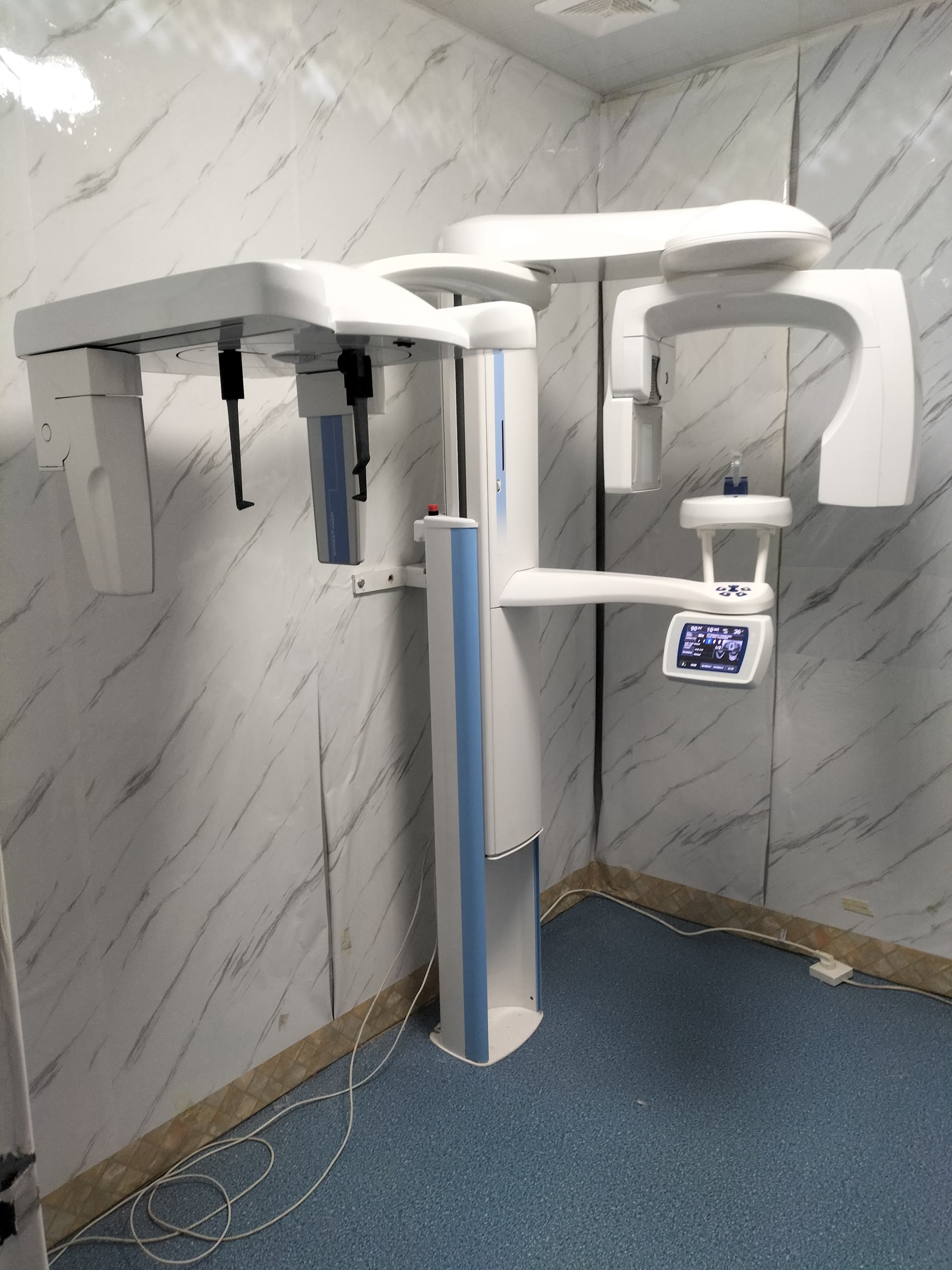
Container consolidation — combining equipment from multiple Chinese suppliers into a single ocean container shipment — substantially reduces logistics cost, simplifies customs clearance, and shortens timeline for new clinic commissioning. For buyers commissioning a complete dental clinic from Shanghai, container consolidation typically saves USD 3,000–8,000 vs. separate shipments and reduces commissioning timeline by 4–12 weeks. This guide walks through container sizing, consolidation logistics, and the practical workflow for a complete clinic commissioning shipment.
Container sizes and capacity
- 20ft Dry Container (20’ DC): 33 CBM volume, 28 metric ton payload limit. Standard ocean container. Typical dental clinic commissioning fills approximately 60–85% of 20ft capacity.
- 40ft Dry Container (40’ DC): 67 CBM volume, 28 ton payload. Appropriate for large clinic commissioning (6+ chairs) or multi-clinic commissioning combined shipment.
- 40ft High Cube (40’ HC): 76 CBM, 28 ton payload. Extra height accommodates tall equipment (CBCT on column mount can approach 2.3m height when crated).
- LCL (Less than Container Load) consolidation: shared container, buyer pays per CBM or weight. Appropriate for partial-clinic commissioning or small equipment combinations.
What fits in a 20ft container for clinic commissioning
A typical 20ft dental clinic commissioning consolidation can include:
- 2–3 dental chairs (crated, 7–9 CBM total)
- 1 CBCT/panoramic unit (3–5 CBM crated)
- 1–2 intraoral scanners (0.1–0.3 CBM)
- 1 dental compressor + suction system (2–4 CBM)
- 1 autoclave + infection control equipment (1–2 CBM)
- Operatory cabinets and casework (5–8 CBM)
- Supply cabinets, storage, consumables (2–4 CBM)
- Handpieces, burs, small instruments (0.5–1 CBM)
- CAD/CAM equipment (milling, 3D printer, scanner) if included (2–4 CBM)
- Total: approximately 22–40 CBM — fits in 20ft container for typical 3–4 chair clinic commissioning
Consolidation workflow
Container consolidation requires coordination across multiple suppliers:
- Step 1: Freight forwarder selection. Engage Shanghai-based freight forwarder with dental equipment consolidation experience. Forwarder fees typically USD 180–400 per CBM for consolidation service.
- Step 2: Supplier coordination. Confirm production completion dates across all suppliers. The slowest supplier determines container loading date.
- Step 3: Quality inspection at warehouse. Options: (a) supplier ships to forwarder warehouse, buyer conducts remote video inspection; (b) third-party inspection (SGS, Bureau Veritas, Intertek) at warehouse, USD 200–500 per inspection day; (c) buyer travels to Shanghai for on-site inspection, USD 1,500–3,500 trip cost.
- Step 4: Container loading. Forwarder coordinates supplier deliveries to container yard, loading sequence for stability and accessibility at destination.
- Step 5: Documentation consolidation. Single commercial invoice (or packing list combining supplier invoices), consolidated certificate of origin, master Bill of Lading.
- Step 6: Export customs clearance by Shanghai forwarder.
- Step 7: Ocean freight via agreed routing and timeline.
- Step 8: Destination customs clearance and delivery coordinated with destination agent.
Supplier coordination challenges
Common friction points in multi-supplier consolidation:
- Production timeline mismatch: Supplier A ready in 4 weeks, Supplier B ready in 9 weeks. Container waits for Supplier B, delaying Supplier A goods at warehouse (incurring storage fees USD 15–35 per CBM per week).
- Warehouse inspection access: some suppliers reluctant to have goods inspected at forwarder warehouse rather than factory. Pre-negotiate inspection location in purchase contract.
- Packaging standard variation: suppliers use different crate dimensions and labeling. Forwarder may require uniform labeling for customs; additional re-labeling cost USD 100–400.
- Commercial invoice consistency: different suppliers use different HS code classifications. Consolidated invoice requires unified HS classification.
- Partial shipment risk: if one supplier fails to deliver, container ships short. Contract language should address this scenario.
Freight cost structure
20ft container Shanghai to major destinations (April 2026 indicative pricing):
- Shanghai to Jeddah: USD 1,800–2,600
- Shanghai to Dubai (Jebel Ali): USD 1,400–2,000
- Shanghai to Mombasa: USD 2,400–3,200
- Shanghai to Lagos: USD 3,200–4,400
- Shanghai to Laem Chabang (Bangkok): USD 1,000–1,500
- Shanghai to Manila: USD 1,200–1,700
- Shanghai to Cat Lai (HCMC): USD 1,100–1,700
- Shanghai to Santos (Brazil): USD 3,500–5,200
- Shanghai to Callao (Peru): USD 3,800–5,500
- Shanghai to Durban: USD 3,000–4,200
- Shanghai to Houston: USD 2,200–3,200
- Shanghai to Long Beach: USD 1,800–2,800
- Shanghai to Hamburg: USD 2,400–3,600
- Shanghai to Rotterdam: USD 2,400–3,500
- Shanghai to Auckland: USD 2,600–3,800
Add forwarder fees USD 400–800, documentation USD 200–400, and insurance 0.15–0.35% of cargo value.
Landed cost comparison: consolidation vs. separate shipments
Worked example for a 3-chair clinic commissioning with 6 supplier sources (total FOB USD 65,000) shipping to Lagos:
- Separate shipments (6 shipments, each LCL or air):
- Ocean LCL freight (consolidated by each supplier’s forwarder): USD 4,500 total
- Air freight for small equipment: USD 1,200
- Multiple customs clearances at Lagos: USD 1,800
- Multiple inland transport arrangements: USD 900
- Documentation across 6 shipments: USD 600
- Total freight/logistics: USD 9,000
- Timeline: staggered over 6–14 weeks as each shipment arrives
- Consolidated 20ft container:
- Container ocean freight: USD 3,800
- Shanghai forwarder consolidation fee: USD 1,800
- Single documentation: USD 350
- Single customs clearance at Lagos: USD 450
- Single inland transport: USD 350
- Insurance: USD 200
- Total freight/logistics: USD 6,950
- Timeline: single arrival 35–45 days after container loading
- Consolidation savings: USD 2,050 + substantial timeline reduction
Equipment that should NOT be consolidated
Some equipment benefits from separate shipment:
- Items requiring air freight for timeline: replacement parts, consumables, high-urgency items
- Items with substantially different production timelines (e.g., 2-week production vs. 12-week production) where waiting creates warehouse cost
- Custom-manufactured equipment where inspection requirements differ substantially from standard clinic equipment
- Sensitive equipment shipped separately to avoid damage risk from other cargo
- Items from suppliers requiring different documentation (e.g., FDA 510(k) items with specific import paperwork)
Container loading best practices
- Heaviest equipment positioned at container floor center for stability during ocean transit
- Equipment with operating components (chairs with hydraulics) positioned to minimize side-impact risk
- CBCT and imaging equipment packed with extra shock absorption
- Handpieces and small precision instruments in separately packed cartons within container
- Clear labeling on external container walls and inner cartons for destination customs inspection
- Container sealed with tamper-evident bolt seal; seal number recorded on Bill of Lading
Destination customs considerations
- Single consolidated shipment may trigger more detailed customs inspection than split shipments — large value, multi-supplier container is not "routine" for most customs authorities
- Prepare comprehensive customs documentation package: consolidated commercial invoice with supplier detail, packing list with each crate item, CE/FDA certificates for applicable equipment, medical device registrations
- Experienced destination customs broker critical — broker familiar with multi-supplier medical equipment consolidation substantially reduces clearance timeline
- Budget 2–4 weeks for customs clearance at destinations with rigorous medical equipment oversight (Brazil, India, Egypt); 1–2 weeks for simpler customs environments (UAE, Philippines, Vietnam)
Planning a consolidated container for full clinic commissioning?
WhatsApp us with your clinic scale (chair count), target destination, and equipment categories planned. We’ll coordinate supplier timelines across multiple Chinese manufacturers, arrange Shanghai warehouse consolidation with inspection, quote 20ft or 40ft container freight to your destination, and manage destination customs clearance coordination for single-arrival commissioning.
Chat on WhatsApp →