Dental Operatory Installation Preparation: Electrical, Plumbing, HVAC, and Network Infrastructure
Complete pre-installation infrastructure guide for dental clinic commissioning — electrical circuit sizing, voltage regulation, UPS for CBCT and CAD/CAM, plumbing for chair and lab water, compressed air and central suction piping, HVAC ventilation, CBCT radiation shielding, and network infrastructure planning.
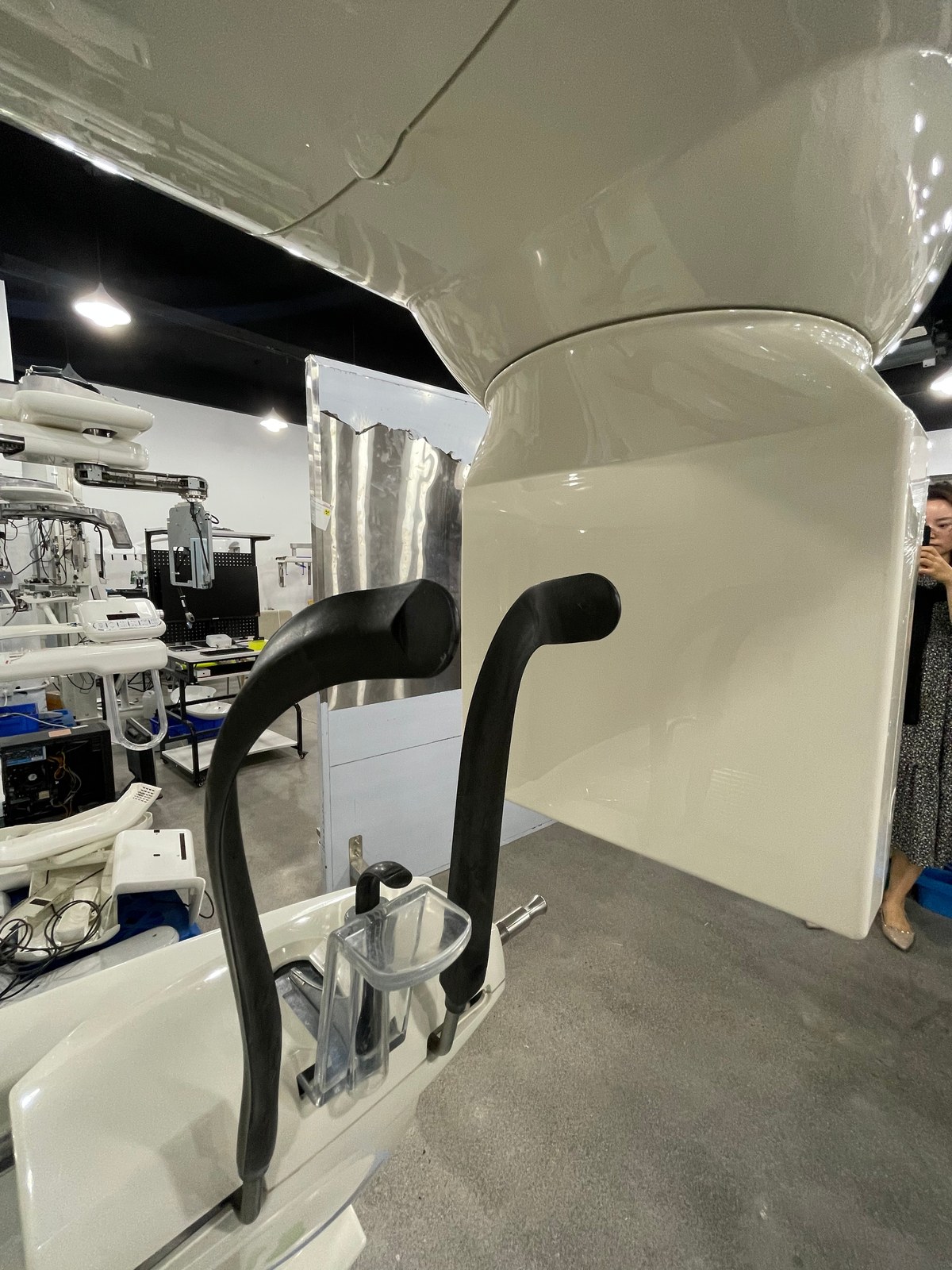
Dental operatory installation prep is the non-glamorous infrastructure work that determines whether equipment commissioning goes smoothly or turns into a weeks-long mess of re-work. Getting electrical, plumbing, and HVAC right before equipment arrival saves substantial cost and avoids post-installation infrastructure modification. This guide walks through the pre-installation preparation checklist for a new dental operatory, sized for a typical 1–4 chair clinic commissioning from Shanghai.
Pre-installation planning sequence
Correct planning sequence — most clinics that skip steps here pay for it later:
- Step 1: Finalize equipment list with exact specifications (chair models, CBCT model, compressor size, etc.)
- Step 2: Obtain manufacturer site requirement drawings for each major equipment
- Step 3: Design operatory layout with dimensioned floor plan
- Step 4: Route electrical, plumbing, air, suction, and network infrastructure to support layout
- Step 5: Execute construction (walls, floors, ceiling) to accommodate infrastructure
- Step 6: Infrastructure rough-in (electrical boxes, plumbing stubs, air/suction terminals)
- Step 7: Finish work (wall covering, flooring, ceiling tiles, cabinetry)
- Step 8: Infrastructure final (electrical outlets, plumbing fixtures, air/suction fittings)
- Step 9: Equipment delivery and installation
- Step 10: Equipment commissioning
Electrical requirements
Operatory circuits
- Dental chair circuit: typically dedicated 15–20A circuit at local voltage (220V/50Hz in most of world, 110V/60Hz in North America, Japan). Some high-specification chairs require 30A.
- Operatory lighting circuit: dedicated 15–20A circuit for overhead dental light and general operatory lighting. Consider dimmer-capable circuit if desired.
- Computer/monitor circuit: dedicated 15–20A for operatory computer and displays
- Imaging equipment circuit: intraoral X-ray wall mount typically shares operatory circuit; CBCT requires dedicated circuit (typically 30–40A for premium units)
- Suction / compressor circuit: large utility-room circuits at 20–40A depending on motor size
- Sterilization room circuit: dedicated 20–30A for autoclave plus separate circuit for handpiece maintenance system
- Lab equipment circuits: dedicated circuits for each major lab equipment (milling, sintering, 3D printer)
Power quality considerations
- Voltage regulation: voltage stabilizer recommended for regions with grid voltage fluctuation (common in Africa, parts of Asia, Latin America). USD 400–1,200 for clinic-scale voltage regulator.
- Surge protection: whole-clinic surge suppressor USD 200–600; plus individual equipment surge protectors on sensitive equipment (CBCT, IOS computer)
- UPS (Uninterruptible Power Supply): essential for CBCT (mid-scan power loss destroys patient scan); recommended for CAD/CAM milling (mid-cycle power loss destroys workpiece). 3–5kVA online UPS for CBCT USD 800–1,800; 5–8kVA for milling/sintering USD 1,400–2,800.
- Generator backup: for regions with unreliable grid (load-shedding), diesel or LPG generator sized for full clinic operation. 10–20kW generator USD 3,500–7,500 landed; auto-transfer switch additional USD 600–1,200.
- Earth grounding: medical equipment requires dedicated equipment grounding; verify ground resistance meets local medical electrical code (typically <5 ohms ground resistance)
Electrical rough-in for CBCT operatory
CBCT installation deserves specific attention:
- Dedicated 30–40A circuit from main panel to CBCT unit location
- Emergency stop button per radiation safety requirement, typically wall-mounted at operator position
- Warning light circuit for "X-ray in progress" indicator outside operatory door
- Interlocks with door if required by local radiation safety code
- Radiation shielding (lead) in walls, floor, ceiling as required by shielding calculation — typically 1.5–2.5mm lead equivalent for CBCT operatory
- Operator position shielding (barrier or shielded control booth)
- Network data line to CBCT unit for PACS integration
Plumbing requirements
Water supply
- Chair-side water supply: each dental chair requires water supply connection typically 1/4" or 3/8" compression fitting. Pressure regulator (35–50 PSI typical) at chair connection.
- Water quality: dental unit waterline must meet dental-quality standards. Many regions require treated water (reverse osmosis) to prevent biofilm in dental unit waterlines. USD 250–800 for clinic RO system.
- Distilled water for autoclave: dedicated distilled water supply either from purchased distilled water or on-site distillation. USD 300–800 for clinic distiller.
- Lab water supply: dental lab equipment (milling, sintering) requires treated water for cooling
Drainage
- Chair drainage: each chair requires drain connection for cuspidor and suction discharge. Typically 1.5" or 2" drain line with trap.
- Amalgam separator: required in many jurisdictions (EU, US, Canada, Australia, Brazil). Separator integrated into suction system drain line.
- Floor drain in wet lab areas: dental lab bench area should have floor drain for water containment
- Clinical waste drainage: autoclave steam condensate drain, compressor condensate drain
- Sterile area separation: sterile processing area drainage separate from clinical operatory drainage
Compressed air and suction infrastructure
Compressed air distribution
- Piping: medical-grade copper tubing typically 3/8" (10mm) or 1/2" (12mm) from compressor to chair terminals. Food-grade PEX acceptable in some jurisdictions.
- Pressure regulator at each chair: 80–100 PSI main line reduced to 35–70 PSI at chair terminals depending on equipment requirements
- Isolation valves: ball valve or needle valve at each chair terminal for maintenance access without shutting down entire clinic
- Dryer system: refrigerant or membrane dryer at compressor outlet removes moisture, essential for clinical air quality
- Filter stages: particulate filter + coalescing filter + activated carbon filter for medical air
Suction distribution
- Piping: rigid PVC typically 1.5–2" diameter from chairs to central suction unit
- Slope: continuous slope toward central suction for fluid drainage; minimum 1/4" per foot
- Trap and cleanout access: trap below each chair suction terminal, monthly cleanout access
- Vent: pipe to atmosphere at high point of system to prevent siphoning
- Amalgam separator: inline separator between chairs and central suction, sized for clinic chair count
HVAC and ventilation
- Operatory ventilation: 6–10 air changes per hour (ACH) typical for dental operatory; higher for surgical areas
- Positive pressure vs. negative pressure: most dental operatories slight positive pressure to exclude corridor contamination; surgical/sterile area different
- Air conditioning sizing: each operatory typically 8,000–12,000 BTU/hr cooling load; higher with CBCT heat load (750–1,500W)
- Air filtration: MERV 11+ filter typical; HEPA filtration for surgical areas
- Compressor heat extraction: utility room requires ventilation to extract compressor heat; 400–800 W thermal load per compressor unit
- Humidity control: dental lab areas benefit from humidity control (40–55% RH typical for CAD/CAM stability)
Network and data infrastructure
- Ethernet drops: each operatory requires 2–4 Cat 6 ethernet drops (computer, imaging, IOS dock, future expansion)
- WiFi coverage: clinical-grade wireless AP per operatory area; survey for dead zones
- Server room: centralized server for PMS + imaging + billing + backup; 1.5×1.5m minimum space, ventilation, dedicated circuits, UPS
- CBCT data integration: high-bandwidth connection between CBCT and imaging workstation (gigabit ethernet minimum for 3D volume transfer)
- Backup and cloud sync: on-premise NAS + cloud backup for clinical records
Site preparation timeline
Typical timeline for new dental clinic site preparation:
- Weeks 1–2: final design and equipment specification
- Weeks 3–6: construction (walls, ceiling, floors, basic plumbing/electrical rough-in)
- Weeks 6–8: infrastructure final (electrical outlets, plumbing fixtures, air/suction piping)
- Weeks 8–10: finishes (wall covering, flooring, cabinetry, paint)
- Weeks 10–12: equipment delivery and installation
- Week 13: commissioning, training, soft opening
- Total: approximately 13 weeks for ground-up clinic buildout
Equipment ordering typically starts at Week 3–4 to align delivery with Week 10 construction completion.
Commissioning a new dental clinic from Shanghai?
WhatsApp us with your clinic scale, target location, and construction timeline. We’ll provide site requirement drawings for each major equipment, coordinate infrastructure specifications (electrical loads, plumbing connections, air/suction piping requirements), and schedule equipment delivery to match your construction timeline for efficient commissioning.
Chat on WhatsApp →