Dental RVG Intraoral X-Ray Sensor Sourcing from Shanghai: CMOS Digital Sensor Guide
How dental practices source digital intraoral RVG sensors from Shanghai — CMOS vs CCD technology, pixel pitch and spatial resolution, sensor sizes (0, 1, 2), scintillator types, TWAIN and PMS integration, OEM-grade vs mid-tier comparison to Dexis and Carestream, sample order verification, and landed cost vs local distribution pricing.
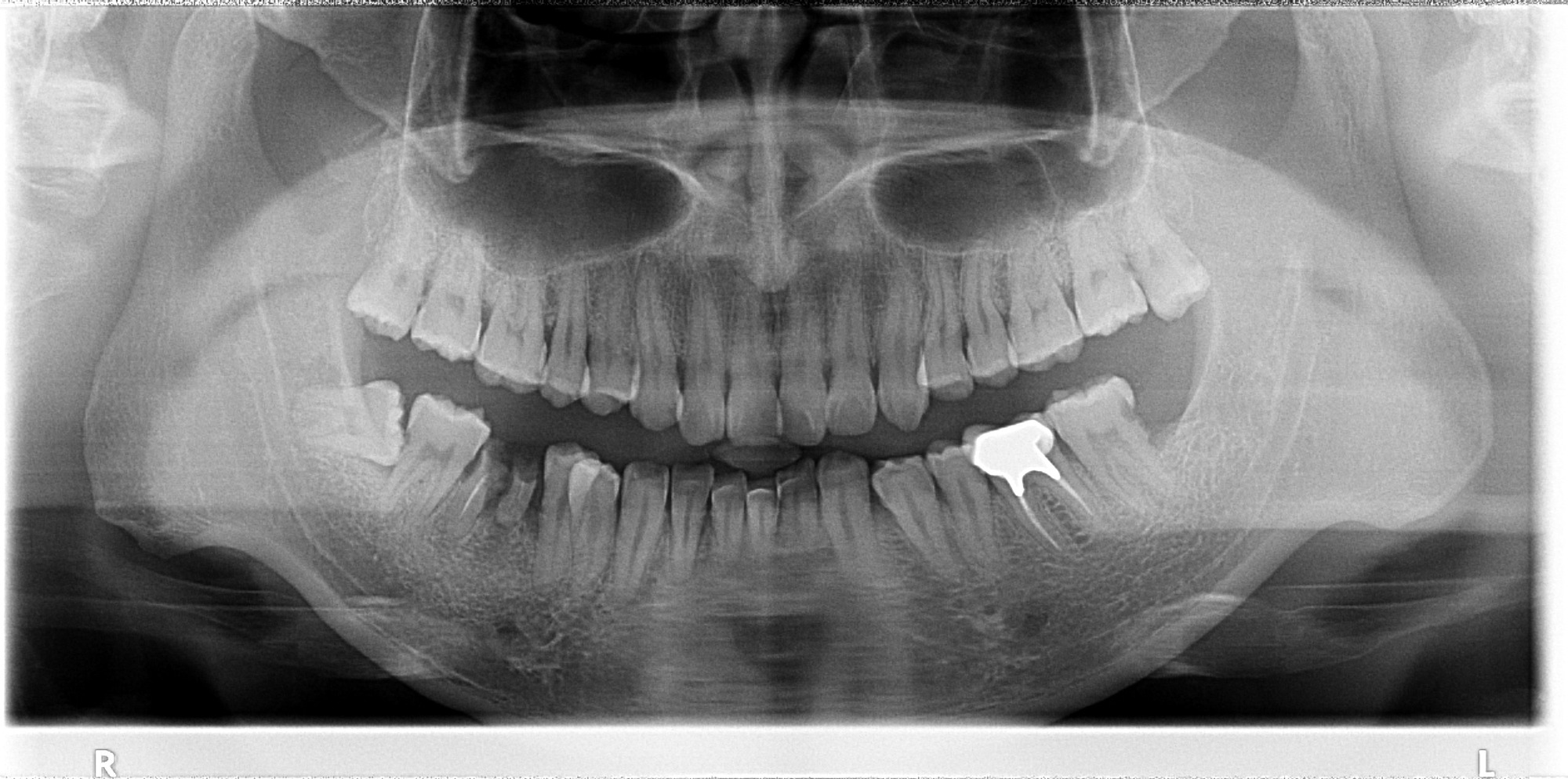
Dental digital intraoral X-ray sensors (RVG, radiovisiography) replaced film-based intraoral radiography in most modern practices over the past two decades. Premium RVG sensors from Dexis, Carestream, Planmeca, and Sirona remain expensive (USD 4,500–8,500 at clinical distribution pricing), while OEM-grade Chinese RVG sensors offer clinically-comparable performance at USD 1,100–1,900 FOB Shanghai. This guide walks through RVG sensor specification, selection, and sourcing from Shanghai for clinical dental practice.
RVG sensor fundamentals
Dental digital intraoral sensor converts X-ray exposure to digital image via CMOS or CCD detector:
- CMOS (Complementary Metal-Oxide Semiconductor): dominant current technology. Low power consumption, compact size, lower cost vs. CCD. All major premium brands use CMOS sensors in current generation products.
- CCD (Charge-Coupled Device): older technology, superior image quality historically but now largely superseded by high-quality CMOS. CCD sensors rare in new dental RVG market.
- CsI scintillator: cesium iodide scintillator converts X-ray to visible light before CMOS detection. Superior spatial resolution vs. Gadox scintillator.
- Gadox scintillator: gadolinium oxysulfide scintillator, older technology, lower cost, acceptable clinical image quality for general dentistry.
RVG sensor specifications that matter
- Sensor sizes:
- Size 0: pediatric (22×31mm typical)
- Size 1: anterior (24×37mm typical)
- Size 2: standard adult posterior (31×41mm typical) — most commonly ordered size
- Pixel pitch: measured in μm. Smaller pixel pitch = higher spatial resolution.
- Premium brands: 15–20 μm pixel pitch
- OEM-grade Chinese: 20–25 μm pixel pitch
- Budget Chinese: 25–35 μm pixel pitch
- Active area: effective sensing area; slightly smaller than physical sensor dimensions due to frame
- Spatial resolution: measured in line pairs per millimeter (lp/mm). Clinical diagnostic minimum 12 lp/mm; premium sensors achieve 20+ lp/mm.
- Dynamic range: 14-bit or 16-bit grayscale depth. 16-bit substantially better for visualization of both dense and soft tissue structures.
- Connection interface:
- USB 2.0: standard, adequate for most dental RVG applications
- USB 3.0: faster image transfer, slightly premium positioning
- Wireless (WiFi or proprietary): convenience but battery management overhead; some practices prefer wired for reliability
- Cable length: typically 2–3m. Active cable extenders available for chair-mounted computer configurations.
- Cable durability: intraoral use subjects cable to bending; quality flexible cable specification matters
- Sensor housing: smooth, seamless housing for infection control. Silicone or ABS plastic with medical plastic grade.
- Sterilization compatibility: typically NOT autoclavable. Intraoral use with disposable sheath; surface disinfection between patients.
Software and PMS integration
Sensor software ecosystem matters as much as sensor hardware:
- Manufacturer software: each sensor manufacturer provides acquisition software, typically basic to intermediate functionality
- Third-party dental imaging software: DEXIS, Dentrix Imaging, XVLite, Apteryx XVWeb, Dental Wings, etc. Quality third-party software substantially extends sensor capability.
- TWAIN driver compatibility: universal image acquisition standard; sensors with TWAIN compatibility integrate with most dental imaging software
- DICOM output: for PACS integration and radiology workflow
- PMS integration: direct integration with practice management software (Dentrix, Eaglesoft, OpenDental, Carestream, etc.) for patient record attachment
Chinese RVG sensor quality tiers
- OEM-grade premium (USD 1,100–1,900 FOB Shanghai): same manufacturers producing private-label for European brands. 20–22 μm pixel pitch, CsI scintillator, 16-bit dynamic range, TWAIN-compatible, premium flexible cable. Clinically comparable to Dexis Platinum or Carestream RVG 6500 at 25–35% of retail pricing.
- Mid-tier (USD 650–1,100 FOB): established Chinese brands with own-brand sensors. 22–26 μm pixel pitch, CsI or Gadox scintillator, 14–16 bit dynamic range. Adequate clinical image quality for general dentistry.
- Budget (USD 350–650 FOB): commodity sensors, variable quality. Acceptable for general dentistry routine use; marginal for specialty endodontic or precision implant work.
Clinical use case considerations
- General dentistry: mid-tier Chinese sensor adequate. OEM-grade premium offers better image consistency and longer sensor lifespan (fewer cable failures in busy practice).
- Endodontic specialty: OEM-grade premium recommended — endo work requires highest diagnostic image quality. Size 2 sensor typically used with paralleling technique for apical clarity.
- Implantology: OEM-grade premium recommended for implant placement verification and bone interface visualization
- Pediatric dentistry: Size 0 sensor, typically mid-tier adequate
- Hospital / high-volume practice: premium cable durability matters — budget sensors typically fail at cable junction within 8–18 months of busy use; OEM-grade cable lasts 3–5+ years
Cost comparison at typical destinations
Worked example for a USD 1,500 FOB OEM-grade Chinese RVG sensor shipped to Manila:
- FOB Shanghai: USD 1,500
- Air freight (sensor ships 1–2 kg with packaging): USD 35
- CIF Manila: USD 1,535
- Customs duty 3%: USD 46
- VAT 12%: USD 190
- Broker and delivery: USD 55
- Landed Manila clinic: approximately USD 1,826 (~PHP 103,000)
Compare to Philippine distribution pricing for Dexis Platinum or Carestream RVG 6500: USD 4,800–7,200 (~PHP 270K–405K). Savings of approximately USD 3,000–5,400 per sensor direct-sourced vs. local distribution.
Quality verification for sample orders
For first-time RVG sensor buyers, sample order verification checklist:
- Resolution test with line pair resolution target (reference dental phantom): verify specified lp/mm
- Dynamic range test: capture image of exposure ladder to verify 14-bit or 16-bit performance
- Image noise: evaluate noise floor and consistency across sensor area
- Artifact check: scan test pattern to identify dead pixels, row artifacts, or scintillator defects
- Cable flexibility test: verify cable handles typical clinical flexing without degradation
- Software integration: test TWAIN driver with your practice imaging software
- PMS integration: verify image attachment to patient records works correctly
- Clinical use validation: run test patient cases across multiple sensor positions
Regulatory framework by destination
- EU (CE marking): CE marking required for commercial distribution. OEM-grade Chinese sensors widely CE-marked.
- USA (FDA 510(k)): Class II medical device. 510(k) clearance required.
- Brazil (ANVISA): Class II device, registration required for commercial distribution
- India (CDSCO): Class B device under CDSCO framework
- GCC (SFDA): CE marking preferred
- ASEAN: minimal regulatory barrier beyond country-specific registration
RVG vs. phosphor plate (PSP) alternatives
Phosphor plate (PSP) digital imaging is alternative to rigid CMOS RVG sensors:
- PSP advantages: flexible plate conforms to patient anatomy, better patient comfort, multiple plate sizes from single reader, no cable to chair
- PSP disadvantages: extra workflow step (plate to reader), plate consumable cost, slower image acquisition
- PSP reader cost: USD 3,500–7,500 FOB Shanghai for OEM-grade PSP scanner system
- Plate cost: USD 25–65 per plate (consumable over time)
- Clinical choice: high-volume practices often prefer rigid RVG for speed; lower-volume or pediatric-focused practices may prefer PSP for patient comfort
Sourcing an RVG sensor from Shanghai?
WhatsApp us with your preferred sensor size (0, 1, 2, or combination), clinical specialty (general, endodontic, implant, pediatric), destination country, and imaging software in use. We’ll propose OEM-grade or mid-tier sensors matched to your clinical priorities, provide sample order path, quote FOB Shanghai pricing, and landed cost analysis for your market.
Chat on WhatsApp →