Chinese Dental Implants for Korean Clinicians: Osstem Alternative Sourcing for Domestic and Overseas Practice
How Korean dental clinicians evaluate Chinese OEM-grade dental implants — covering clinical comparison to Osstem TS III and Dentium SuperLine, MFDS regulatory framework for domestic use, overseas Korean clinic economics in Vietnam and Philippines, and cross-border distribution opportunity.
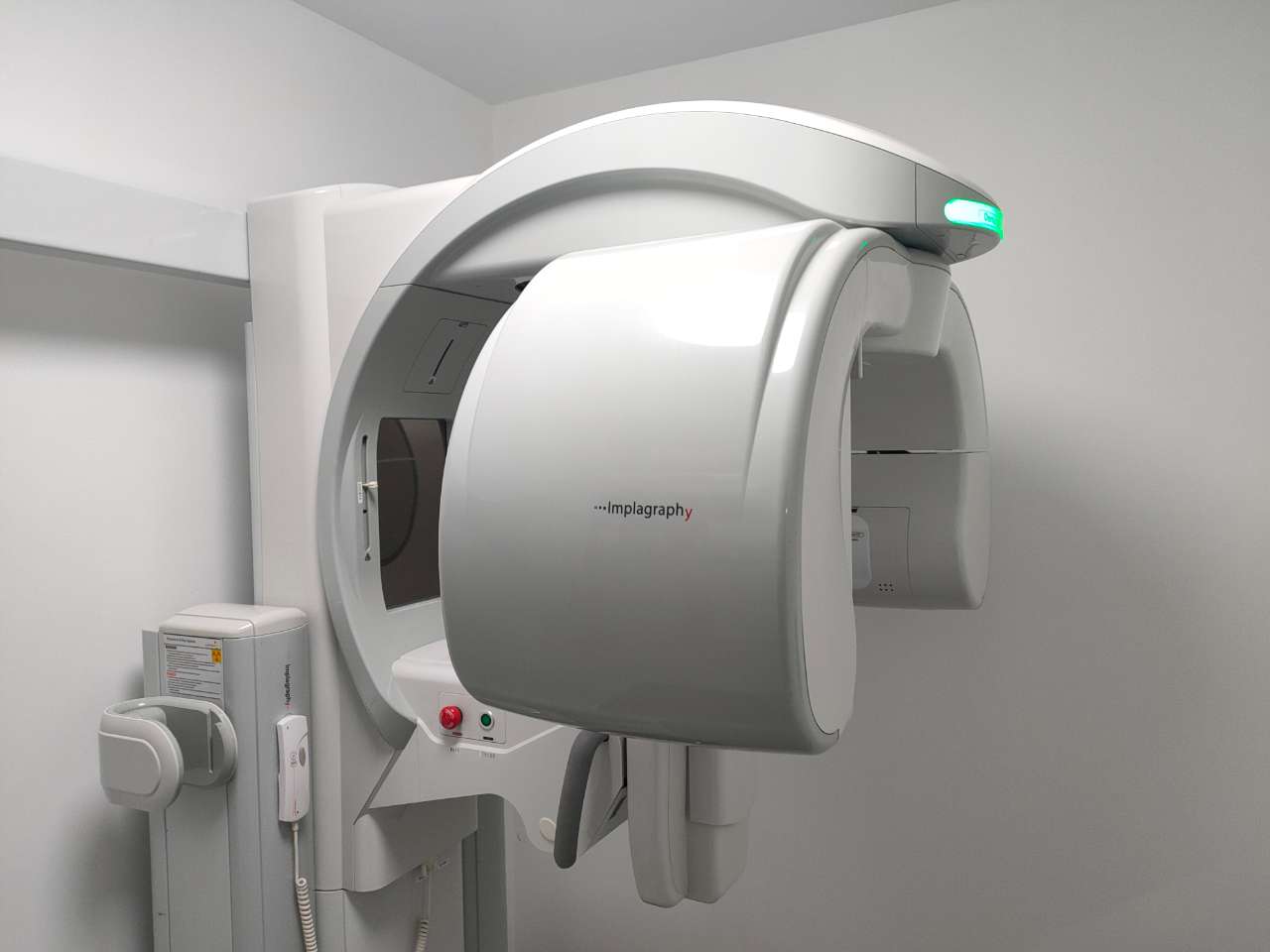
South Korea is home to the world’s most established dental implant manufacturing ecosystem outside of Europe and the US — Osstem, Dentium, Megagen, and Neobiotech collectively produce more implants than all other Asian manufacturers combined. A recent Korean inquiry asking simply about "dental implant" might seem unusual: why would a Korean buyer source implants from Shanghai when the best Asian implant manufacturers are in their own country? The answer reflects a sophisticated market dynamic: Korean dentists are among the most technically informed implant buyers globally, and some are evaluating Chinese OEM-grade implant systems for specific clinical and economic reasons. This guide walks through that evaluation.
"Dental implant."
— Dental clinic in South Korea (contact on file)
Why a Korean dentist might source Chinese implants
Several plausible scenarios where a Korean dental clinician evaluates Chinese implant sourcing:
- Korean-operated international clinic: Korean dentist operating clinic in Vietnam, Philippines, or Cambodia serving cost-sensitive patient populations. Chinese implant economics matter substantially at foreign operating costs.
- Dual-practice Korean clinician: operates premium Korean clinic with Osstem/Dentium for domestic patient flow, and separate cost-focused clinic serving price-sensitive patients where Chinese implant economics work
- Insurance-contract clinic: Korean insurance contracts with reimbursement caps that make premium Korean implant economics marginal at reimbursed fee levels. Chinese OEM-grade implants preserve margin at contracted fees.
- Research / evaluation purchase: Korean academic or private practice evaluating Chinese implant clinical performance for comparative assessment
- Distribution opportunity: Korean entity seeking to import and distribute Chinese implants into neighboring Asian markets (Vietnam, Philippines, Cambodia, Myanmar) through Korean-managed distribution network
Chinese implant system quality tiers
Chinese implant manufacturing stratifies into several distinct quality tiers:
- OEM-grade premium: same factories producing private-label for US and European brands. FDA 510(k) cleared, CE marked. Grade 4 titanium, precision-machined, validated surface treatment. USD 45–85 per fixture FOB Shanghai. Clinically comparable to mid-tier Straumann, Nobel, or Osstem at 10–20% of their retail pricing.
- Mid-tier Chinese branded: established Chinese implant manufacturers with own brand (not OEM). FDA 510(k) cleared or CE marked. Solid clinical history in Asian markets. USD 25–55 per fixture FOB. Reasonable for cost-focused clinical practice.
- Commodity tier: avoid for clinical use in any market where patient expectations are meaningful. Inconsistent quality, unverified surface treatment, limited clinical data.
Korean implant platform comparisons
For reference, Korean manufacturers and their typical market positioning:
- Osstem: Korea’s largest implant manufacturer, TS III/TS IV bone-level series. Well-established globally. Korean domestic pricing KRW 120,000–280,000 per fixture (approximately USD 85–200).
- Dentium: second-tier Korean manufacturer. SuperLine, Implantium, SimpleLine platforms. KRW 100,000–220,000 per fixture.
- Megagen: AnyRidge platform noted for compromised bone applications. KRW 180,000–380,000 per fixture.
- Neobiotech: IS series, cost-focused Korean manufacturer. KRW 80,000–180,000 per fixture.
Korean dental market regulatory context
South Korea regulates medical devices through MFDS (Ministry of Food and Drug Safety):
- Dental implants: Class IV medical device under Korean classification — highest risk category
- Registration timeline: 12–24 months for new manufacturer
- Required documentation: manufacturer ISO 13485, CE marking or FDA clearance, extensive clinical evaluation data, Korean clinical trial data may be required
- Korean authorized representative required — Korean-registered entity holding regulatory responsibility
- Korean Language IFU and labeling mandatory
- KGMP (Korean Good Manufacturing Practice) inspection of manufacturing facility typically required
Korean implant regulatory barriers are substantial. Commercial distribution of Chinese implants into Korean market is realistically only economical for implant suppliers committing substantial long-term investment. For Korean clinicians importing for personal clinical use or for foreign-market clinical operations, simpler paths apply.
Shipping and logistics considerations
For Korean clinicians importing Chinese implants for practical use:
- Air freight Shanghai to Incheon (ICN) or Gimpo (GMP): 2–4 days, USD 4–6 per kg. Implant shipments typically ship 2–6 kg (packaged fixtures + components).
- For onward shipment to foreign-market clinics (Vietnam, Cambodia, Philippines) — Korean consolidation and onward shipping is feasible but typically less efficient than direct Shanghai-to-end-market routing
- Customs clearance at ICN: 2–5 business days for medical equipment
Clinical performance comparison: Chinese OEM-grade vs. Korean Osstem TS III
Comparing a representative Chinese OEM-grade bone-level implant to Osstem TS III (Korean reference):
- Material: both use Grade 4 titanium (Ti-6Al-4V variant), dimensional tolerances comparable
- Surface treatment: SLA (sandblasted large-grit acid-etched) surface on both; microroughness values comparable (Sa 1.2–1.8 µm)
- Thread design: buttress thread pattern comparable between both, with bone-level diameters spanning typical 3.5–5.5 mm range
- Surgical kit compatibility: Chinese OEM typically sold with compatible surgical kit; Osstem requires Osstem-specific drill protocol
- Prosthetic components: Chinese OEM prosthetic components available, or can use generic Osstem-compatible components from third-party manufacturers at 15–35% savings
- Clinical osseointegration: Korean-published clinical studies show Chinese OEM-grade implant survival rates of 96–98% at 5 years, comparable to Osstem published data (97–99% at 5 years)
- Cost per fixture (FOB Shanghai): Chinese OEM-grade USD 45–85 vs. Osstem TS III retail ~USD 100–200
Economics for Korean clinician operating foreign clinic
For a Korean dentist operating implant clinic in Vietnam (Ho Chi Minh City) serving Korean medical tourism patients:
- Patient fee per single-unit implant (cross-border Korean patients): USD 800–1,800
- Chinese OEM-grade fixture cost (Ho Chi Minh City landed): USD 95–150 vs. Osstem TS III Vietnamese distribution pricing USD 320–550
- Per-case fixture cost savings: USD 170–400
- At 25–50 fixtures per month: incremental monthly margin USD 4,250–20,000
For a Korean clinician operating a Korean domestic clinic, the economics are different — Korean insurance reimbursement caps, patient brand expectations, and clinical staff familiarity with Osstem typically favor sticking with domestic Korean supply.
Evaluating Chinese implant sourcing for your practice?
WhatsApp us with your clinical context (Korean domestic, overseas Korean clinic, dual practice, distribution opportunity), target annual fixture volume, and preferred platform compatibility (Straumann, Nobel, Osstem, or generic). We’ll propose OEM-grade Chinese implant options with FDA 510(k) and CE documentation, quote FOB Shanghai pricing, and realistic clinical comparison to Korean premium brands.
WhatsApp →