Dental Equipment Import to Brazil: São Paulo Sourcing with ANVISA Compliance
How Brazilian dental practices and distributors source dental equipment from Shanghai — covering IOS, CBCT, CAD/CAM, and lab machine direct sourcing economics, ANVISA registration complexity, Santos port logistics, Brazilian federal and state tax burden, and realistic landed BRL cost analysis.
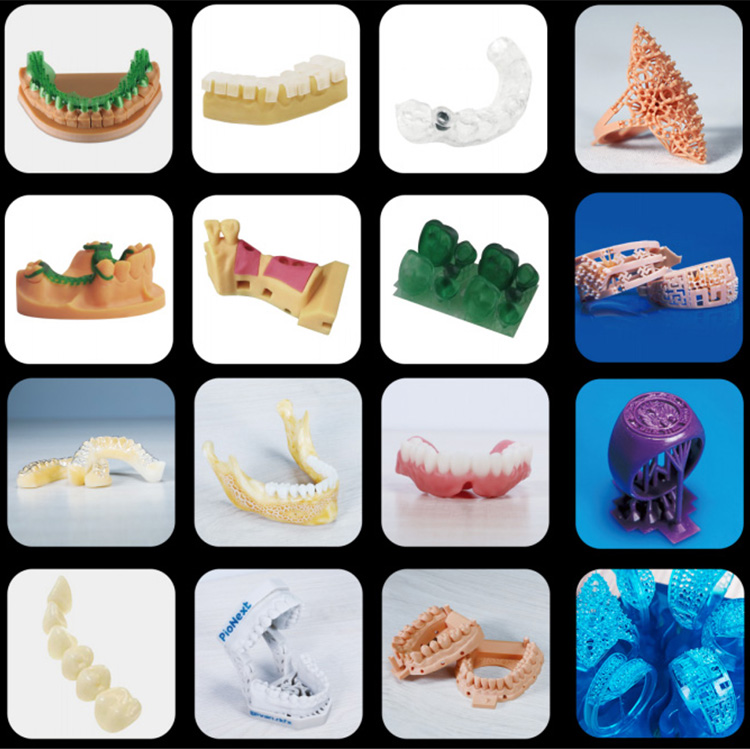
Brazilian dental sector is the largest in Latin America by volume and among the largest globally — with roughly 340,000 practicing dentists, Brazil has more dentists per capita than the United States. São Paulo, Rio de Janeiro, Belo Horizonte, Curitiba, and Porto Alegre collectively host sophisticated private dental practice and a mature dental manufacturing industry. A recent Brazilian inquiry for a Roland DWX-43W spindle replacement reflects one sliver of Brazilian sourcing needs; this guide takes a broader view, walking through general dental equipment and lab machine sourcing for Brazilian practice with ANVISA compliance and Brazilian logistics detail.
"Inquiry about importing dental equipment from Shanghai."
— Dental distributor in Brazil (contact on file)
The Brazilian dental market
Brazil has approximately 215 million residents and roughly 340,000 practicing dentists — the highest dentist-per-capita ratio globally at one dentist per 632 population. Market characteristics:
- Mature domestic dental manufacturing — Brazil produces dental chairs, autoclaves, compressors, and consumables domestically through established manufacturers (Gnatus, Dabi Atlante, D700, Saevo, Olsen, Schuster)
- Import complementarity — Brazilian clinics import specialty equipment where domestic production is limited: CBCT, intraoral scanners, CAD/CAM milling machines, 3D printers
- ANVISA (Agência Nacional de Vigilância Sanitária) regulates medical devices with rigorous framework, one of the most substantial registration requirements in the Americas
- Portuguese-language operational requirements — equipment UI, IFU, and training materials must accommodate Portuguese workflow
- SUS (Sistema Único de Saúde) public dental care + private practice + insurance plans create three distinct procurement channels
Product categories where Brazilian import from Shanghai makes economic sense
- Intraoral scanners: Brazilian distribution markup on Medit and 3Shape creates direct-sourcing opportunity. Chinese mid-tier IOS at USD 9,000–16,000 FOB lands in Brazilian clinic at USD 13,000–22,000 vs. Brazilian distribution pricing USD 22,000–35,000.
- CBCT imaging: refurbished Vatech, Carestream, and Chinese mid-tier platforms compete effectively with Brazilian-market pricing (USD 45,000–75,000 at distribution) at direct-landed USD 28,000–48,000.
- CAD/CAM milling machines: Chinese DWX-equivalent platforms at USD 18,000–32,000 FOB vs. Roland DWX-43W Brazilian distribution at USD 38,000–52,000. Substantial savings for Brazilian dental labs.
- DLP and LCD 3D printers: Chinese dental 3D printers at USD 3,500–8,500 FOB vs. Formlabs, Asiga, or Structo Brazilian distribution pricing at USD 8,500–18,000.
- Dental lab equipment: furnaces, casting machines, vacuum mixers. Chinese manufacturing is competitive at 35–55% below Brazilian distribution pricing.
- Specialty surgical instruments and loupes: OEM-grade Chinese instruments often indistinguishable from European brands at 25–40% of retail pricing.
Product categories where Brazilian domestic sourcing wins
- Dental chairs: Gnatus, Dabi Atlante, and Olsen chairs compete effectively on price and service network. Brazilian domestic production offers comparable specification at comparable price; direct-from-Shanghai not clearly advantageous.
- Autoclaves and sterilization: Brazilian manufacturers (Cristofoli, Schuster) established domestic products with ANVISA registration already in place, service network accessible
- Consumables (gloves, masks, disposables): Brazilian manufacturers compete; short shelf-life items less suitable for ocean freight routing
ANVISA registration framework
ANVISA medical device registration is the critical regulatory hurdle for Brazilian medical equipment import:
- Class I devices (simple dental instruments, consumables): Notification process, 2–4 months
- Class II devices (dental chairs, most imaging, CAD/CAM equipment): Registration process, 8–16 months
- Class III devices (CBCT with ionizing radiation, some implants): Full registration with clinical data requirements, 12–24 months
- Class IV devices (certain high-risk dental devices): highest requirements, 18–36 months
- Brazilian holder of registration (BPF equivalent): Brazilian-registered entity required, holds regulatory responsibility
- GMP (BPF) certification of manufacturing facility required
- Portuguese-language IFU, labeling, and training materials mandatory
- Post-market surveillance obligations substantial and ongoing
For single-unit personal clinical imports by licensed Brazilian dentists, simplified customs protocol under practitioner personal-use provisions exists. For commercial distribution into Brazilian market, full ANVISA registration is unavoidable and represents substantial investment (typically USD 40,000–120,000 fully loaded for Class II medical equipment registration, including Brazilian authorized representative, technical file preparation, inspection costs, and post-market obligations).
Shipping Shanghai to Brazilian ports
- Shanghai to Santos (São Paulo): 45–55 days via Indian Ocean + Cape of Good Hope routing. USD 3,500–5,500 for 20ft LCL consolidation.
- Shanghai to Paranaguá (Paraná): 42–52 days
- Shanghai to Rio de Janeiro: 45–55 days
- Shanghai to Salvador: 42–52 days
- Air freight Shanghai to GRU (São Paulo) or GIG (Rio): 10–14 days, USD 6–8 per kg. Practical for small high-value items; ocean typically more economical for equipment > 50 kg
- Customs clearance at Santos: 7–14 business days typical for medical equipment
Duty, IPI, ICMS, PIS/COFINS, and landed cost
Brazilian import taxation is among the most complex globally. For dental imaging (HS 9022.14): Import Duty (II) 12–16%, IPI (Imposto sobre Produtos Industrializados) 5–15%, PIS/COFINS 11.75%, ICMS 17–20% (varies by state). Cumulative tax burden approximately 45–65% on CIF value. Worked example for a USD 28,000 FOB 2-in-1 panoramic + CBCT:
- FOB Shanghai: USD 28,000
- Ocean freight + insurance to Santos: USD 3,800
- CIF Santos: USD 31,800 (approximately BRL 158,000 at April 2026 FX)
- Import Duty 14%: USD 4,452
- IPI 10%: USD 3,625
- PIS/COFINS 11.75%: USD 4,682
- ICMS 18% (SP state): USD 8,028
- Broker, port, inland to São Paulo: USD 850
- All-in landed São Paulo: approximately USD 53,437 (~BRL 265,000)
Brazilian tax burden is the single largest factor in direct-sourcing economics. Even with lower FOB cost, Brazilian landed cost typically runs 85–105% above FOB due to cumulative taxation. Despite this, Chinese-origin imports typically still compete effectively with Brazilian distribution pricing for specialty equipment (CBCT, IOS, CAD/CAM).
São Paulo dental ecosystem advantages
São Paulo houses Brazil’s most sophisticated dental practice cluster:
- Faculdade de Odontologia USP — Brazil’s top dental school, driving clinical research and specialization
- São Paulo private dental market value in the billions of BRL annually
- Substantial medical tourism flow from Argentina, Paraguay, Bolivia, Uruguay at São Paulo pricing
- Mature dental supply distribution ecosystem
- Direct air cargo and ocean connectivity to Asia
Commissioning considerations for Brazilian market
- Portuguese-language documentation essential — equipment UI, IFU, training materials, service documentation. Good Chinese suppliers provide Portuguese localization; marginal suppliers may require third-party translation at USD 2,000–5,000 per device family.
- 220V/60Hz power common in Brazil (differs from 50Hz in most of Asia) — specify explicitly in orders
- ANVISA RDC (Resolução da Diretoria Colegiada) compliance — current framework is RDC 751/2022 for medical devices
- Brazilian electrical safety testing (INMETRO) may be required for some device categories
Sourcing dental equipment for Brazilian practice?
WhatsApp us with your target equipment category (IOS, CBCT, milling, 3D printer, lab equipment), scale (single-clinic, multi-clinic, distribution), and Brazilian location. We’ll propose options with FOB Shanghai pricing, ANVISA registration timeline and cost, Santos logistics, and full BRL landed cost analysis including Brazilian federal and state tax burden.
Conversar no WhatsApp →