CBCT for Saudi Dental Implant Practice: Riyadh and Jeddah Sourcing with SFDA Compliance
How Saudi Arabian private implant clinics source CBCT imaging from Shanghai — covering SFDA registration, Saudi Radiation Protection Authority licensing, Jeddah port logistics, Vision 2030 healthcare market context, medical tourism from GCC, and per-case economics for high-volume Saudi implantologists.
Saudi Arabian private dental practice has entered a sustained capital investment cycle since 2020, driven by Vision 2030 healthcare sector growth, substantial insurance penetration, and expanding dental tourism infrastructure in Riyadh, Jeddah, Dammam, and Madinah. CBCT commissioning has become near-standard for implant-focused Saudi clinics — a recent Saudi clinician inquiry simply asked for "CBCT" pricing, reflecting the commoditization of this equipment category for Saudi implant practice. This guide walks through CBCT sourcing specifically for Saudi Arabian dental implant workflow, addressing the Saudi-specific regulatory and service network questions that affect commissioning decisions.
"CBCT."
— Dental clinic in Saudi Arabia (contact on file)
The Saudi dental imaging market
Saudi Arabia has approximately 37 million residents and roughly 11,000 practicing dentists. Market characteristics:
- Insurance penetration substantial — the Saudi Health Insurance Council mandated dental insurance coverage for expatriate workers, creating predictable case volume at Saudi private clinics
- Implant practice volume is among highest per-dentist globally — Saudi private implantologists routinely place 200–500 fixtures annually, creating strong equipment investment justification
- SFDA (Saudi Food and Drug Authority) regulates medical devices with rigorous framework aligned with FDA and EU MDR principles
- Saudi Dental Council certification required for practicing Saudi dentists; influences clinic equipment commissioning decisions through clinical standards
- Arabic language operational interface preferred for patient-facing and clinical staff workflow
CBCT tier selection for Saudi implant practice
Saudi implant practice typically commissions in three tiers matched to practice volume and case complexity:
- Entry-tier (100–200 fixtures/year practice): USD 28,000–38,000 FOB Shanghai for 2-in-1 panoramic + CBCT with 8×8 cm FOV. Handles routine single and short-span implant planning. Chinese mid-tier platform or refurbished Vatech PaX-i3D.
- Mid-tier (200–400 fixtures/year, larger implant cases): USD 38,000–58,000 FOB. Larger FOV (12×9 to 15×15 cm) for full-arch planning. New Chinese mid-tier with extended FOV, or refurbished Vatech A9 tri-modality.
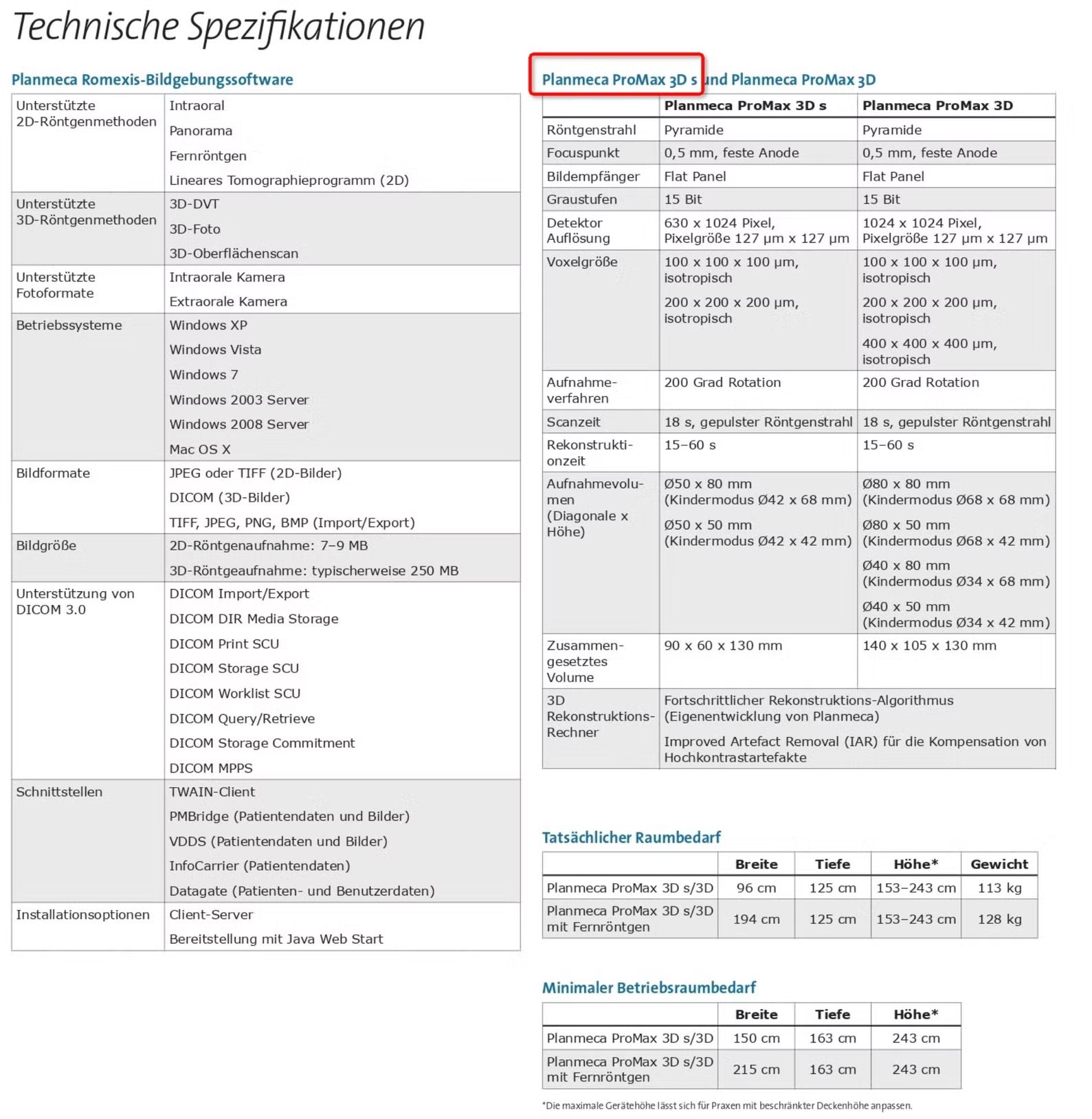
- Premium tier (400+ fixtures/year, zygomatic implant, full-arch reconstruction): USD 58,000–95,000 FOB. Factory-new Vatech A9, Planmeca ProMax 3D, or equivalent premium platform. Large FOV with optimized low-dose protocols for multi-scan treatment planning.
SFDA compliance framework
SFDA medical device registration framework:
- CBCT: Class III medical device under SFDA classification
- Registration timeline: 9–18 months for new manufacturer through Medical Device Marketing Authorization process
- Required documentation: manufacturer ISO 13485, CE marking (strongly preferred), device master file, clinical evaluation evidence, Arabic + English IFU and labeling
- Saudi authorized representative required — SFDA-registered entity holding regulatory responsibility
- GDP (Good Distribution Practice) requirements apply to Saudi distributor
- For single-unit clinical imports by licensed Saudi dentists: simplified protocol under clinical personal-use provisions — faster than full commercial registration
Saudi Radiation Protection Authority compliance
Saudi CBCT installation requires Saudi Radiation Protection Authority (under SFDA) licensing:
- X-ray equipment installation permit required before operation
- Radiation safety assessment by qualified physicist
- Room shielding validation (lead thickness and geometry)
- Operator certification in radiation safety
- Annual quality assurance testing and dose monitoring
- Saudi Dental Council practitioner certificate in CBCT operation recommended
Shipping Shanghai to Dammam, Jeddah, or Riyadh
- Ocean Shanghai to Jeddah: 28–38 days via Red Sea routing. Primary port for Western Saudi Arabia (Jeddah, Madinah, Makkah).
- Ocean Shanghai to Dammam (King Abdul Aziz Port): 32–42 days via Gulf. Primary port for Eastern Saudi Arabia (Dammam, Khobar, Jubail).
- Ocean Shanghai to Yanbu: 30–40 days, alternative Red Sea port
- Air freight Shanghai to Riyadh (RUH), Jeddah (JED), or Dammam (DMM): 5–9 days, USD 4.50–6.50 per kg
- Customs clearance at Saudi ports: 4–10 business days for medical equipment with SFDA documentation
- Inland transport Jeddah to Riyadh: 1 day, USD 400–750 per truck
- Dammam to Riyadh: 1 day, similar cost
Duty, VAT, and landed cost
Saudi customs duty on dental imaging (HS 9022.14): typically 5% duty, plus 15% VAT. Worked example for a USD 42,000 FOB mid-tier CBCT platform:
- FOB Shanghai: USD 42,000
- Ocean freight + insurance to Jeddah: USD 3,200
- CIF Jeddah: USD 45,200
- Customs duty 5%: USD 2,260
- VAT 15% on CIF + duty: USD 7,119
- Broker, port, inland to Riyadh: USD 1,100
- All-in landed Riyadh clinic: approximately USD 55,679
Installation and service network considerations
Saudi service network for CBCT equipment:
- Premium brand service coverage: Vatech, Carestream, Planmeca, Sirona all have established Saudi distribution with in-country field engineer capability. Service response 24–72 hours typical.
- Chinese mid-tier service: typically requires arranging service through Chinese supplier partner network or independent Saudi medical equipment technicians. Response time extends to 1–3 weeks for non-critical issues.
- Service contract economics: premium brand annual service contracts USD 3,500–8,500; Chinese equipment typically operated without formal service contract, on-demand repair basis
For Saudi practices placing 200+ fixtures annually, the service reach question matters substantially — multi-week equipment downtime at this volume meaningfully impacts practice revenue. This tips the decision toward factory-new or refurbished premium brand equipment for high-volume practices despite the cost premium.
Per-case economics for Saudi implant practice
A Saudi private implantologist at this equipment tier generates:
- CBCT scan fee (patient-paid): SAR 350–750 per scan (approximately USD 95–200)
- Implant fixture placement fee (dentist side): SAR 3,500–8,500 per single-unit placement (approximately USD 935–2,270)
- Typical monthly CBCT utilization: 30–80 scans for implant planning and postoperative verification
- Monthly CBCT-attributed revenue (including case-enabling value): USD 8,000–25,000
CBCT investment payback for Saudi implant practice typically lands inside 12–24 months at this volume tier.
Medical tourism flow from GCC region
Riyadh, Jeddah, and Dammam private implant clinics capture meaningful referral flow from Kuwait, Bahrain, Qatar, and other GCC countries where specialty implant pricing is higher. Saudi implant case pricing (SAR 4,500–12,000 per single-unit implant) is competitive vs. Kuwait (KWD 600–1,400, approximately USD 2,000–4,600) and Qatar (QAR 4,500–12,000, approximately USD 1,235–3,295), driving cross-border patient flow toward Saudi specialty clinics.
Sourcing CBCT for Saudi implant practice?
WhatsApp us with your city (Riyadh, Jeddah, Dammam, Madinah, Khobar, or other), annual implant volume, and target FOV range. We’ll propose CBCT platforms matched to Saudi implant workflow priorities — factory-new, refurbished Vatech, or Chinese mid-tier — with FOB Shanghai pricing, SFDA-compliant Arabic + English documentation, and landed Saudi clinic cost analysis.
Chat on WhatsApp →