Portable and Mobile Dental Chair Sourcing: Field, Humanitarian, Mobile Van, and Military Dentistry
How mobile dental programs source portable dental chairs and integrated portable dental units from Shanghai — foldable suitcase-style, wheeled mobile, and integrated portable unit categories; deployment scenarios (military field, humanitarian mission, mobile dental van, school program, rural outreach, nursing home); power and water infrastructure; sterilization in portable context; and 3-chair humanitarian mission budget analysis.
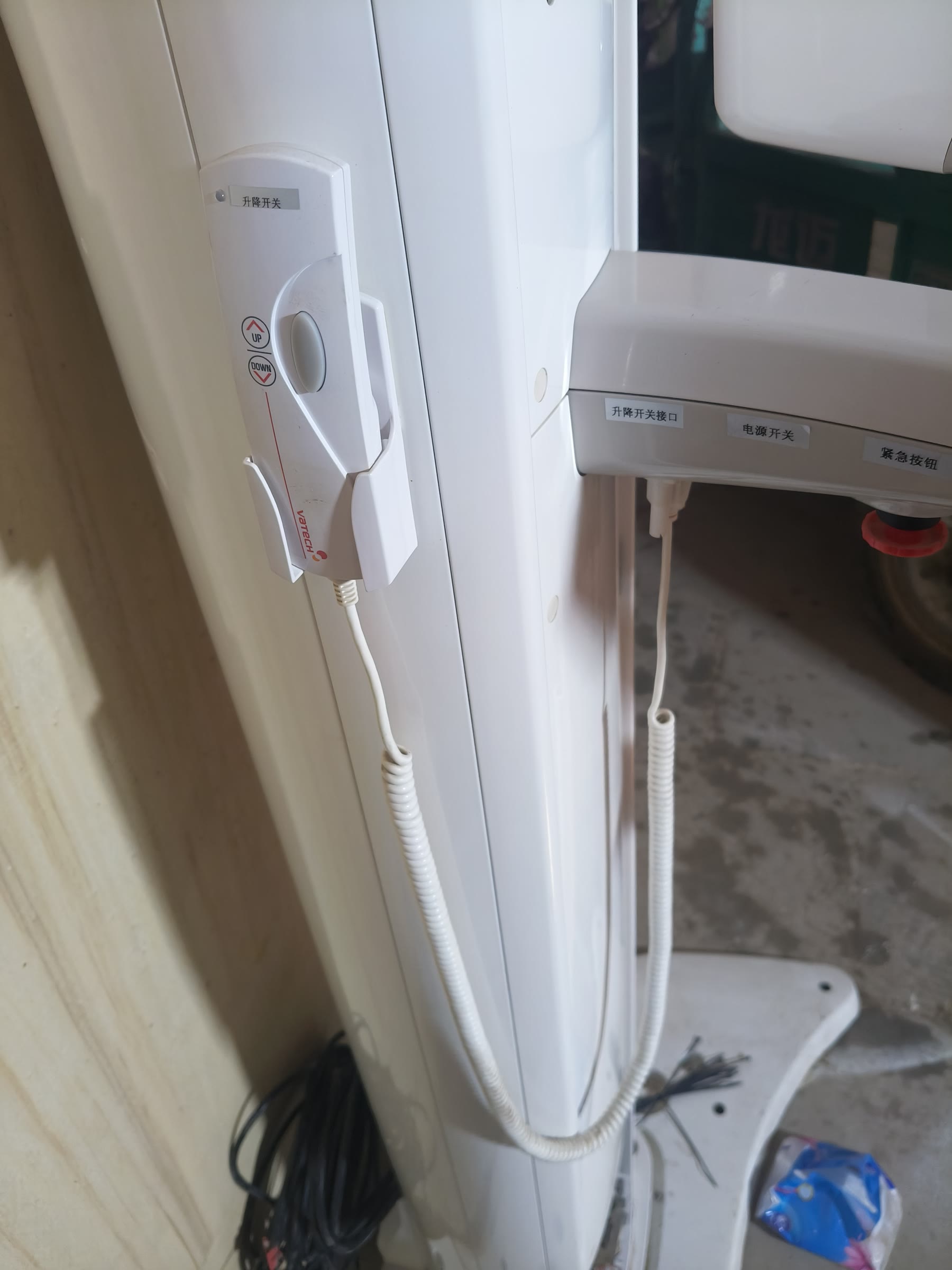
Portable and mobile dental chairs — foldable or wheeled units designed for deployment outside fixed clinic infrastructure — serve specialized dental workflows that fixed dental chairs cannot. Military medical corps, humanitarian dental missions, rural outreach programs, mobile dental clinics on vans and trucks, NGO field dentistry, and event dentistry all depend on portable dental equipment. Chinese manufacturing supplies the global portable dental chair market at price points that make mobile dental service economically viable where fixed clinic infrastructure is unavailable. This guide walks through portable chair selection, deployment considerations, and sourcing from Shanghai.
Portable vs. mobile vs. foldable: clarifying categories
Three distinct portable dental equipment categories with different deployment models:
Foldable portable dental chair (suitcase-style)
- Form factor: fully foldable into 2–3 suitcase-sized transport cases
- Typical weight: 25–65 kg total deployed weight, distributed across cases
- Deployment time: 20–45 minutes by trained team of 2
- Primary use: humanitarian missions, remote outreach, pop-up dental clinics, disaster response
- Price range: USD 1,800–4,500 FOB Shanghai for basic foldable chair
- Limitations: typically adequate for basic clinical work (examination, simple restorative, extraction); limited for complex procedures
Mobile dental chair (wheeled / rolling)
- Form factor: integrated chair on castors, rolls between rooms or loads into vehicles
- Typical weight: 75–180 kg
- Deployment time: immediate (roll to position)
- Primary use: multi-room clinics, mobile dental vans, school dental programs with vehicle transport
- Price range: USD 2,500–6,500 FOB Shanghai
Portable dental unit (delivery system + chair integrated)
- Form factor: integrated delivery system with built-in compressor, suction, water supply, and chair in single transportable assembly
- Typical weight: 80–200 kg
- Deployment time: 30–75 minutes for full setup
- Primary use: military field dentistry, remote mining camps, oil platform dental service, veterinary dental (!), research expeditions
- Price range: USD 4,500–12,000 FOB Shanghai for full integrated portable unit
Key specifications for portable dental chairs
- Patient weight capacity: 120–180 kg standard; specialized bariatric versions 250–350 kg
- Reclining mechanism: hydraulic (manual pump) vs. electric (battery or mains power)
- Position adjustment: trendelenburg/reverse trendelenburg range, headrest articulation
- Arm support: foldable or removable arm rests
- Operator access: 4 vs. 8 vs. 12 o’clock operator positioning capability
- Built-in light: integrated LED operating light on gooseneck arm
- Instrument tray: over-patient or side-mount instrument tray
- Spittoon: some portable chairs have integrated spittoon; others use external spittoon setup
- Durability: transport-rated construction for repeated assembly/disassembly; aluminum frame vs. steel vs. composite
- Sterility-friendly surfaces: smooth, wipe-clean surfaces; upholstery with barrier-compatible coating
Portable dental unit component considerations
Integrated portable dental units typically include:
- Mini compressor: oil-free, 25–60 L/min capacity; may be 12V DC for vehicle operation or 110/220V AC
- Suction: wet or dry suction with small collection reservoir; limited-volume operation requires frequent reservoir emptying
- Water delivery: water reservoir 2–6 liters; requires refilling during busy operation
- Handpiece hoses: 1–3 handpiece terminals typical (high-speed, low-speed, optional surgical)
- Syringe: integrated 3-way air-water syringe
- Power: AC mains (110/220V) with generator or shore power; 12/24V DC options for vehicle operation
- Battery backup: some units have battery pack for short-duration operation without external power
Deployment scenarios and chair selection
Military field dentistry
- Integrated portable dental units mounted in tactical vehicles or deployed from cases
- Requirements: ruggedized construction, 24V DC operation, rapid deployment/redeployment, temperature/humidity tolerance
- Price range: USD 8,000–18,000 FOB for tactical-grade equipment
- Deployment: 30–60 minutes for trained dental technician team
Humanitarian dental missions
- Foldable suitcase-style portable chairs with basic delivery system
- Requirements: lightweight (airline baggage compatible), minimal infrastructure dependence, rapid setup
- Price range: USD 2,500–6,500 FOB for complete mission-ready equipment package
- Typical deployment: 2–4 portable chairs for 2–4 dentist mission team
Mobile dental van / bus
- Mobile dental chairs permanently installed in vehicle with vehicle-integrated compressor, suction, water systems
- Requirements: vehicle electrical integration, stable mounting, vehicle-resonance tolerance
- Price range: USD 3,500–8,500 FOB per chair plus vehicle infrastructure
- Typical deployment: 1–2 chairs per van, 3–4 chairs per bus
School dental programs
- Mix of foldable portable chairs for remote schools and mobile chairs for vehicle-transport between schools
- Requirements: easy operator access for pediatric patients, fast deployment at multiple schools per day
- Price range: USD 2,000–5,500 FOB depending on configuration
Nursing home and elder care dentistry
- Mobile chairs transportable between nursing home rooms; some programs use foldable chairs for elderly home visits
- Requirements: gentle reclining mechanism, adequate patient weight capacity, easy sterile draping
- Price range: USD 2,200–5,500 FOB
Rural community dentistry
- Foldable or mobile chairs at rural community health centers; often paired with portable dental unit for complete infrastructure
- Requirements: durability for transport on poor roads, minimal maintenance, easy operator repair
- Price range: USD 3,000–7,500 FOB for chair + integrated unit combination
Commissioning considerations for portable equipment
- Training emphasis on assembly/disassembly: unlike fixed chairs installed once, portable equipment is assembled and disassembled repeatedly; operator training on this workflow is essential
- Transport case quality: heavy-duty transport cases extend equipment lifespan substantially; budget for quality cases rather than cheapest option
- Spare parts kit: portable equipment moves and is stored more roughly than fixed equipment; build comprehensive spare parts inventory (USD 500–1,500 first-year inventory typical)
- Maintenance protocol: portable equipment requires more frequent inspection than fixed chairs (every deployment cycle) for mechanical integrity
- Documentation: equipment assembly instructions, troubleshooting guide, spare parts catalog shipped with each equipment package
Power infrastructure considerations
- Generator sizing: typical portable dental setup draws 800–2,400W depending on equipment running simultaneously; 3–5kW portable generator appropriate
- Voltage stabilization: generator power quality varies; voltage stabilizer protects sensitive electronic equipment
- Battery operation: some portable units operate on 12V or 24V DC battery for short-duration use without generator (1–3 hours typical)
- Shore power: where available, mains connection preferred over generator for quieter operation
- Solar/renewable integration: some humanitarian programs pair portable dental with solar generation for off-grid operation; typical 1.5–3kW solar array adequate for single-chair operation
Water supply considerations
- Clean water requirement: dental unit water must meet dental-quality standards (bacteriological) regardless of deployment context
- Water source options: bottled water reservoir, portable water purifier, connected municipal supply where available
- Water consumption: typical portable dental unit uses 2–6 liters per patient for combined irrigation and rinsing
- Drain handling: spent water collected in suction reservoir or dedicated drain container; disposal per local regulation
Sterilization in portable context
Sterilization challenge in portable dentistry:
- Portable autoclave: 10–18L Class B portable autoclaves available for mobile dental deployment, USD 1,800–3,800 FOB Shanghai
- Instrument cycling: must rotate sterile instrument sets; typical mission deploys with 2–3× daily instrument set capacity
- Chemical sterilization backup: cold chemical sterilization for heat-sensitive instruments where autoclave unavailable
- Validation and logging: cycle logging requirements same as fixed clinic; portable autoclaves with data logging preferred
Regulatory considerations
- Medical device classification: portable dental chairs typically Class I, portable dental units Class II
- CE marking or FDA 510(k): same requirements as fixed equivalent equipment
- Destination regulatory: mobile dental deployment may require additional permits (mobile health service licensing in some jurisdictions)
- Military / diplomatic import: some deployments have simplified customs under diplomatic or military cooperation frameworks
Total deployment cost for a humanitarian dental mission
Representative budget for a 3-chair humanitarian dental mission:
- 3 foldable portable dental chairs: USD 9,000–15,000 FOB
- 2 portable dental units (delivery systems): USD 8,000–16,000 FOB
- 2 portable autoclaves: USD 3,600–7,600 FOB
- 2 portable generators: USD 1,800–3,600 FOB
- Instrument sets for 3-chair operation (3× rotation): USD 4,500–9,500 FOB
- Consumables for 6-month mission: USD 3,000–8,000 FOB
- Transport cases and accessories: USD 1,500–3,500 FOB
- Total FOB Shanghai: USD 31,400–63,200
- Shipping and deployment logistics: USD 5,000–15,000 depending on destination
- Deployed cost: approximately USD 36,400–78,200 for comprehensive 3-chair mission capability
Sourcing portable dental equipment for mobile dentistry?
WhatsApp us with your deployment context (military field, humanitarian mission, mobile dental van, school program, rural outreach, event dentistry), expected chair count, power infrastructure (generator, mains, battery, solar), destination country, and budget. We’ll propose portable chair and unit configurations matched to your deployment pattern, discuss ruggedization and spare parts strategy, and quote FOB Shanghai pricing with destination-specific logistics for mobile dental commissioning.
Chat on WhatsApp →Have a specific unit in mind?
Tell us which model you want and your destination port — we'll quote FOB or CIF with a video demo of the actual unit in our warehouse.