Intraoral Scanners for Polish Dental Clinics: Shining 3D, Launca, and Medit Alternatives for Warsaw and Kraków
How Polish dental clinics source intraoral scanners direct from Shanghai — covering Shining 3D Aoralscan 3, Launca DL300P, and refurbished Medit options. Covers URPL compliance, CE MDR requirements, Polish-language clinical support, Gdańsk port logistics, and dental tourism market context.
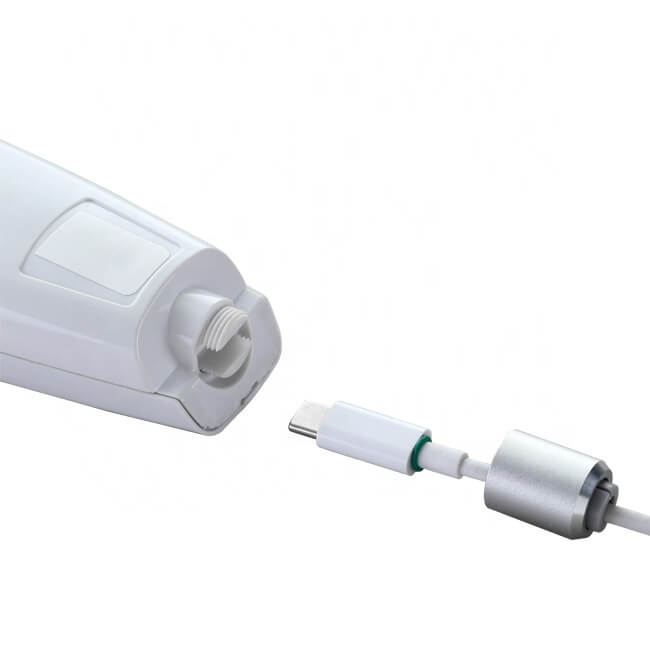
Polish dental practice is one of the most clinically sophisticated in Central Europe, with dental schools at Warsaw, Kraków, Poznań, and Wrocław maintaining European clinical standards and private practice concentrated in Warsaw, Kraków, Poznań, Wrocław, and Gdańsk. Polish dentists are sophisticated equipment buyers who apply clinical quality criteria carefully, and intraoral scanner adoption has grown rapidly since 2020 as CAD/CAM workflow becomes standard expectation. Recent Polish inquiries for intraoral scanners capture the shift in buyer behavior: Polish clinicians increasingly evaluate Chinese mid-tier alternatives rather than defaulting to 3Shape TRIOS through Polish distribution channels. This guide walks through IOS sourcing for Polish dental practice.
"Intraoral dental scanners."
— Dental clinic in Poland (contact on file)
The Polish dental imaging market
Poland has approximately 38 million residents and roughly 40,000 practicing dentists as of 2024, with private practice representing approximately 85% of Polish dental care delivery. Market characteristics:
- Strong private practice growth at 7–10% annual rate since 2019, driven by Polish middle-class purchasing power expansion and dental tourism growth inbound from Germany, Austria, and UK
- Central Research of Medical Products (URPL / Urząd Rejestracji Produktów Leczniczych) regulates medical devices, aligned with EU MDR
- Polish Złoty (PLN) relative stability vs. EUR — equipment pricing denominated in EUR, stable Polish currency environment compared to southeastern European peers
- Gdańsk and Gdynia are Poland’s primary container ports (Baltic Sea); Warsaw and Kraków are primary air freight entry points
- Dental tourism driven case volume — German and UK patients traveling to Poland for implant and complex restorative work at 35–55% lower pricing than home markets
IOS platforms that work for Polish clinical practice
Polish clinical sophistication favors IOS platforms that match European benchmark performance. Relevant options:
- Shining 3D Aoralscan 3: USD 6,500–8,500 FOB Shanghai, approximately EUR 8,500–11,500 landed Warsaw. 25–30 µm full-arch accuracy, integrated AI tissue removal, strong Exocad + 3Shape integration via DME. Polish-language software available.
- Launca DL300P: USD 4,800–6,500 FOB, approximately EUR 6,500–8,500 landed Warsaw. 30–35 µm accuracy, autoclavable tip, lower price point for entry tier.
- Refurbished Medit i700 or i500: EUR 8,500–14,000 landed Warsaw. For clinics committed to Medit workflow, preserves clinical familiarity at 55–70% of new pricing.
- Factory-new TRIOS through Polish distribution: EUR 18,000–28,000 landed clinic. Reference standard but substantial price premium.
For Polish clinical practice, Shining 3D Aoralscan 3 typically produces the best balance. The 25–30 µm accuracy is comfortable for all routine prosthetic work, Polish-language software reduces workflow friction, and the EUR 8,500–11,500 landed price is meaningfully below Polish distribution markup on equivalent platforms.
Polish dental tourism market equipment requirements
Polish dental tourism clinics serving German, UK, and Austrian patients have specific equipment expectations:
- IOS with European CAD software integration (primarily Exocad or 3Shape Dental System)
- Same-day crown workflow (IOS + chairside 5-axis mill + sintering furnace)
- CBCT imaging for implant planning
- Premium dental chair with ergonomic support for extended procedures
- English-language clinical documentation for patient communication
Shipping Shanghai to Poland
Polish import logistics:
- Shanghai to Gdańsk/Gdynia: 32–42 days port-to-port via Suez. Primary container route for Polish cargo.
- Shanghai to Hamburg + truck to Warsaw: 30–42 days ocean + 2 days truck. Alternative for cargo consolidating with other European destinations.
- Air freight Shanghai to Warsaw (WAW) or Kraków (KRK): 5–8 days, USD 4.50–6.50 per kg. Viable for single-unit IOS at 12–18 kg packaging = USD 75–140.
- Customs clearance: 3–7 business days typical for CE-marked medical equipment (Poland has efficient customs for EU-compliant medical devices)
CE MDR and URPL compliance
Poland follows EU MDR 2017/745:
- CE marking mandatory for all dental devices placed on Polish market
- EU Authorized Representative required for non-EU (Chinese) manufacturers
- URPL registration for the specific device on Polish market
- Polish-language IFU and labeling required
- UDI assignment and EUDAMED registration
- Post-market surveillance obligations
Duty, VAT, and landed cost
Poland applies EU common tariff. Intraoral scanners (HS 9018.49): typically 0% duty for EU import (medical equipment duty-free), plus 23% VAT (VAT in Poland). Worked example for Shining 3D Aoralscan 3 at USD 7,500 FOB:
- FOB Shanghai: USD 7,500
- Air freight to Warsaw via Frankfurt: USD 120
- Insurance: USD 35
- CIF Warsaw: USD 7,655
- Customs duty: USD 0
- VAT 23%: USD 1,761
- Broker, clearance, inland: USD 220
- All-in landed Warsaw clinic: approximately USD 9,636 (roughly EUR 8,850 at April 2026 FX)
Compare to Polish distribution markup for equivalent mid-tier IOS platforms at EUR 14,000–18,000. Direct sourcing delivers 35–45% cost savings for clinically equivalent capability.
Polish-language support and training
Key advantage of Chinese IOS manufacturers serving the Polish market:
- Polish-language firmware and software interface (not just menu translation — full workflow localization)
- Polish-translated IFU, training videos, quick-start guides
- Remote training in Polish via WhatsApp/Zoom available from mid-tier manufacturers (typically Polish-speaking support staff or dedicated translation team)
- Polish-specific workflow templates for common prosthetic case types
Regional case flow: Ukraine and Lithuania opportunity
Polish dental tourism clinics increasingly serve displaced Ukrainian patient populations, particularly in Rzeszów, Lublin, and eastern Polish cities. Additionally, Lithuanian patients seek cross-border care in northeastern Poland. Equipment investment amortization against cross-border case flow is generally favorable for well-equipped Polish clinics.
Sourcing an IOS for your Polish clinic?
WhatsApp us with your city (Warsaw, Kraków, Poznań, Wrocław, Gdańsk, or elsewhere), case volume, and workflow priorities. We’ll propose Shining 3D Aoralscan 3, Launca DL300P, or refurbished Medit options, quote CIF Warsaw with Polish-language documentation, URPL compliance timeline, and landed EUR pricing for Polish market.
Czat WhatsApp →