CBCT for Costa Rican Dental Tourism Practice: San José and Escazú Implant-Focused Clinic Commissioning
How Costa Rican dental tourism clinics commission CBCT imaging for North American patient-focused implant practice — covering Ministry of Health registration, Puerto Caldéra shipping, English-language clinical software, US-referring dentist DICOM workflow, and tourism-driven case economics.
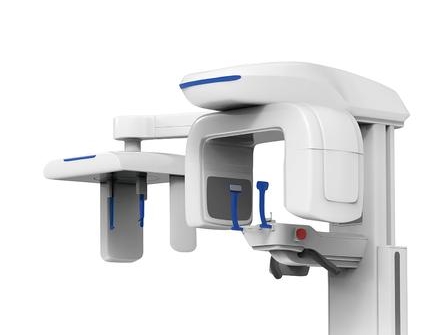
Costa Rica operates one of Central America’s most sophisticated dental tourism markets, with San José, Escazú, and Santa Ana dental clinics serving substantial inbound patient flow from the United States and Canada. The country’s private dental sector has commissioned progressively more sophisticated imaging capability as North American patient expectations shape equipment requirements. Recent Costa Rican inquiries for CBCT imaging capture the current procurement pattern: clinics equipping for implant-focused tourism practice where CBCT is table-stakes for patient confidence. This guide walks through CBCT sourcing for Costa Rican dental practice in 2026.
"CBCT."
— Dental clinic in Costa Rica (contact on file)
The Costa Rican dental tourism market
Costa Rica has approximately 5.2 million residents and roughly 3,800 practicing dentists. Market characteristics shape equipment procurement:
- North American dental tourism generates approximately 70,000–95,000 annual dental patient visits from US and Canada, concentrated in San José metropolitan area (Escazú, Santa Ana, Heredia, and surrounding zones). Average patient travels for implant, full-mouth rehabilitation, or complex restorative work at 50–70% of US/Canadian pricing.
- Tourism-focused clinics typically maintain equipment standards matched to American clinical expectations — patients research equipment and clinic accreditation before booking
- Ministry of Health (Ministerio de Salud) regulates medical devices. Registration process streamlined compared to neighboring Central American markets.
- Puerto Caldéra and Limón are primary container ports; Juan Santamaría International (SJO) is the main air freight entry point
- US dollar acceptance widespread for commercial transactions, simplifying international equipment procurement
CBCT tier selection for Costa Rican tourism practice
Costa Rican tourism clinic CBCT commissioning typically targets:
- Entry-tier 2-in-1 panoramic + CBCT: USD 24,000–38,000 FOB Shanghai. Base tier for tourism clinic imaging capability.
- Mid-tier dedicated CBCT with larger FOV: USD 32,000–48,000 FOB. Better for full-arch implant planning, which is the dominant tourism case type.
- Premium brand factory-new or refurbished (Carestream, Vatech, Planmeca): USD 45,000–75,000 FOB. For clinics where recognizable brand names matter for patient marketing.
For Costa Rican tourism clinics, mid-tier dedicated CBCT (USD 32,000–48,000 FOB) typically represents the optimal balance: sufficient clinical capability for full-arch implant planning, reasonable capital investment against expected case flow, acceptable brand positioning for tourism marketing materials.
Specifications that matter for tourism practice
- Large field of view: 12×9 cm minimum for full-arch implant planning, 16×17 cm preferred for full maxillofacial capture. Small-FOV CBCT (5×5 or 8×8) inadequate for typical tourism case types.
- Low-dose imaging protocols: Costa Rican patients increasingly research radiation dose; low-dose capability is both clinical best practice and marketing-relevant
- English-language software interface: critical for efficient tourism clinic workflow where patients want to see scans during consultation
- Implant planning software integration: Blue Sky Bio, coDiagnostiX, 3Shape Implant Studio, or SimPlant compatibility. Essential for in-house implant planning workflow.
- 110V/60Hz operation — Costa Rica uses North American electrical standard. Specify explicitly in order.
- DICOM export for sharing images with US/Canadian referring dentists and for patient follow-up care
Ministry of Health registration
Costa Rican medical device registration:
- Dental CBCT: Class III (high-risk due to ionizing radiation)
- First-time registration timeline: 5–9 months
- Required documentation: manufacturer ISO 13485, FDA 510(k) clearance strongly preferred, CE marking accepted, Spanish-translated IFU, local representative
- Ministerio de Salud registration number required before customs clearance
- For single-unit clinical imports: simplified protocol available for licensed Costa Rican dentists, 2–3 month timeline
- Radiation licensing through Dirección de Vigilancia Epidemiológica y Salud Radiológica for X-ray equipment installation
Shipping Shanghai to Costa Rica
Costa Rican shipping routing:
- Shanghai to Puerto Caldéra (Pacific coast): 28–35 days port-to-port. Most direct Pacific routing.
- Shanghai to Limón (Caribbean coast): 35–42 days via Panama Canal. Used for eastern Costa Rican destinations, often slower but occasionally more cost-effective.
- Air freight Shanghai to SJO: 7–11 days via Los Angeles or Miami hub, USD 5.50–7.50 per kg
- Customs clearance: 4–8 business days typical for medical equipment with Ministry of Health documentation
- Ocean freight 20ft container Shanghai to Puerto Caldéra: USD 2,400–3,400
Duty, VAT, and landed cost
Costa Rican customs duty on dental imaging (HS 9022.14): typically 0–5% duty (medical equipment often duty-exempt under Ministry of Health exemption), plus 13% IVA (Impuesto al Valor Agregado). Worked example for USD 38,000 FOB mid-tier CBCT:
- FOB Shanghai: USD 38,000
- Ocean freight + insurance to Puerto Caldéra: USD 3,400
- CIF Puerto Caldéra: USD 41,400
- Customs duty 0% (medical exemption): USD 0
- IVA 13% on CIF: USD 5,382
- Broker, port, inland to San José or Escazú: USD 750
- All-in landed Costa Rican clinic: approximately USD 47,532
Per-case economics for tourism practice
A Costa Rican implant-focused tourism clinic with CBCT imaging typically generates:
- CBCT scan fee bundled into implant treatment package (not billed separately to tourism patients)
- Implant case revenue: USD 1,200–2,400 per fixture at Costa Rican tourism pricing vs. USD 3,500–5,500 US pricing
- Full-arch tourism case (all-on-4, all-on-6): USD 14,000–22,000 at Costa Rican pricing vs. USD 28,000–55,000 US
- Typical CBCT-utilized tourism case volume: 15–45 scans per month
- CBCT investment payback against enabled case margin: 14–28 months for established tourism practice
Competitive positioning and clinic marketing
Costa Rican tourism clinics increasingly feature their equipment specifications on clinic websites and tourism platforms like Medical Tourism Corporation and DentalDepartures. CBCT imaging capability is specifically called out in tourism listings — patients filter on imaging capability when selecting between Costa Rican options. A well-specified CBCT with English-language patient-facing imaging visualization meaningfully improves booking conversion rates for tourism-focused practices.
Referral relationships with US dentists
Sophisticated Costa Rican tourism clinics maintain referral relationships with US dentists (particularly in Texas, California, Florida, and Georgia — states with largest Costa Rican dental tourism outbound flow). Referring US dentists want:
- DICOM export of pre-treatment and post-treatment CBCT for their case records
- English-language treatment documentation
- Ability to transmit images electronically for pre-referral consultation
- Integrated imaging and treatment planning workflow the US dentist recognizes (similar to Nobel Clinician or 3Shape Implant Studio)
Chinese mid-tier CBCT platforms with DICOM output and standard implant planning software integration support this workflow adequately.
Commissioning CBCT for your Costa Rican tourism dental practice?
WhatsApp us with your San José/Escazú/Santa Ana location, projected monthly tourism case volume, and target price tier (entry, mid, premium). We’ll propose CBCT configurations matched to implant-focused tourism practice, quote CIF Puerto Caldéra or SJO air freight, Ministry of Health registration timeline, and English-language commissioning protocol.
Chatear por WhatsApp →