CBCT for Myanmar Dental Implant Practice: Yangon Sourcing with Singapore/Thailand Payment Routing
How Myanmar dental clinics source CBCT imaging for implant planning in the 2021+ environment — covering Singapore/Thailand intermediary payment, Yangon customs logistics, FDA Myanmar compliance, extended spare parts inventory, and video-supported installation.
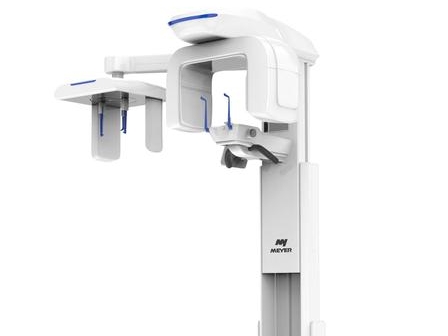
Myanmar’s dental sector continues to function despite extraordinary constraints since February 2021. Private dental practice in Yangon, Mandalay, and Naypyidaw serves patients through a combination of established clinics, expatriate-focused facilities, and newer practices navigating substantial banking, import, and service-network constraints. Recent Myanmar inquiries for CBCT imaging — particularly for dental implant planning — reflect the reality that serious private dental practices continue to commission sophisticated imaging equipment. This guide walks through CBCT sourcing for Myanmar dental practice in 2026 addressing the specific banking, shipping, and service realities of the current environment.
"Quotation for a CBCT for dental implant."
— Dental clinic in Myanmar (contact on file)
The Myanmar dental imaging market
Myanmar has roughly 54 million residents and an estimated 2,800 practicing dentists. Market characteristics currently shaping CBCT procurement:
- Banking channel restrictions — Myanmar Central Bank controls and international banking restrictions substantially complicate USD international transfer. Singapore and Thailand intermediary accounts are standard for medical equipment imports.
- Yangon is functional container port and commercial gateway — Yangon customs operates but with extended timelines vs. pre-2021
- Grid power reliability varies substantially — Yangon central areas acceptable, Mandalay variable, smaller cities require self-generation capability
- FDA Myanmar (Food and Drug Administration) regulates medical devices; current registration processes are functional but slower than pre-2021
- Private implant practice continues — expatriate-focused clinics and premium Myanmar clinics serve meaningful implant case volume, requiring CBCT imaging capability
CBCT tier selection for Myanmar context
The right CBCT for a Myanmar clinic prioritizes three characteristics: simple operation (reduces remote support burden), minimal proprietary cloud dependencies (clinic must operate if internet is unreliable), and robust spare parts stocking (no field engineer dispatch available).
- Entry-tier 2-in-1 panoramic + CBCT: USD 24,000–38,000 FOB Shanghai. New Chinese mid-tier platform. Appropriate for most Myanmar private implant clinics.
- Mid-tier dedicated CBCT: USD 35,000–50,000 FOB. Larger field of view (12×9 to 16×17 cm), better for maxillofacial surgical planning.
- Refurbished premium brand CBCT: USD 30,000–48,000 FOB. Vatech, Carestream refurbished platforms with proven long-term reliability.
Payment routing: Singapore or Thailand intermediary
Practical payment flow for Myanmar medical equipment imports in 2026:
- Singapore intermediary (most common): Myanmar buyer transfers funds (MMK or USD) to a Singapore-based trading company or personal account, which pays the Chinese supplier in CNY or USD. Fees 2–4% plus FX conversion.
- Thailand (Bangkok) intermediary: alternative routing through Thai banking. Works well for goods routed via Bangkok airport.
- China-Myanmar border trade through Ruili: for smaller value shipments and consumables. Not typically suitable for CBCT-scale equipment.
Typical payment terms Chinese suppliers offer Myanmar buyers: 40% deposit at order, 60% against bill of lading. Cash-in-advance (100% before shipment) is occasionally acceptable for urgent purchases through established Singapore intermediary.
Shipping Shanghai to Yangon
Myanmar shipping routing in 2026:
- Shanghai to Yangon via Singapore: 28–38 days port-to-port. Most common routing.
- Shanghai to Bangkok + road transport to Myanmar via Mae Sot border: 22–32 days total. Alternative routing via Thai consolidation, sometimes faster.
- Air freight Shanghai to Yangon (RGN) via Singapore or Bangkok: 10–16 days including consolidation, USD 6–9 per kg
- Yangon customs clearance: 10–20 business days typical for medical equipment currently
FDA Myanmar compliance
Medical device registration through FDA Myanmar:
- Class C devices (dental CBCT with ionizing radiation): registration typically 8–14 months current timeline
- Required documentation: manufacturer ISO 13485, CE marking preferred, device master file, English-language IFU
- Local agent / authorized representative required
- For single-unit personal clinical imports by licensed Myanmar dentists: simplified customs protocol under clinical personal-use provisions remains functional
- Atomic Energy Planning Division licensing for X-ray equipment installation
Duty, VAT, and landed cost
Myanmar customs duty on dental imaging (HS 9022.14): typically 3–8% duty, plus 5% commercial tax. Worked example for a USD 28,000 FOB 2-in-1 panoramic + CBCT:
- FOB Shanghai: USD 28,000
- Ocean freight + insurance to Yangon: USD 3,500
- CIF Yangon: USD 31,500
- Customs duty 5%: USD 1,575
- Commercial tax 5% on CIF + duty: USD 1,654
- Broker, clearance, inland to Yangon/Mandalay: USD 1,200
- All-in landed cost: approximately USD 35,930
Installation and post-installation support
Field engineer dispatch to Myanmar is not feasible in the current environment. Practical CBCT commissioning:
- Video installation support via WhatsApp — Chinese suppliers typically provide 10–15 hours of remote installation and calibration support over 2–3 week commissioning period
- Comprehensive written installation documentation shipped with unit
- Factory pre-calibration with test reports documenting acceptance parameters
- Generous spare parts kit (USD 2,500–4,500) including X-ray tube head spare, detector electronics backup, control PCB, fuses, filters — dramatically reduces downtime risk if component fails during first 2 years
- Remote diagnostic and software support throughout warranty period via WhatsApp, TeamViewer (if internet available), or email
For Myanmar clinics committing to this path, budget an additional USD 3,000–5,000 above equipment cost for comprehensive installation support and extended spare parts inventory. This is the right insurance policy against the realities of operating in a constrained service environment.
Power infrastructure
Myanmar clinic power infrastructure for CBCT installation:
- 10–15kVA online UPS with 30-minute autonomy: USD 3,200–4,800
- Voltage regulator 180–260V to 220V: USD 800–1,400
- Diesel backup generator 15kW: USD 3,500–5,500
- Total power infrastructure: USD 7,500–11,700 landed Yangon
This infrastructure investment is particularly important for CBCT because imaging electronics are sensitive to voltage anomalies in ways that dental chairs and smaller equipment are not.
Per-case economics
A Myanmar private implant clinic running CBCT for implant planning at 20–50 scans per month generates:
- CBCT scan fee (patient-paid): USD 80–180 per scan, higher for expatriate patients
- Monthly CBCT-category revenue: USD 1,600–9,000
- Plus incremental implant case value enabled by imaging: USD 800–1,500 additional margin per implant case that required CBCT planning
For Myanmar clinics placing 6–20 implants per month, CBCT imaging investment recovery typically lands in 18–30 months against combined scan revenue + enabled implant case margin.
Sourcing CBCT for your Myanmar implant practice?
WhatsApp us with your city (Yangon, Mandalay, Naypyidaw, or elsewhere), monthly implant case volume, and clinical priorities. We’ll propose CBCT configurations matched to Myanmar operational context, quote FOB Shanghai with Singapore or Thailand payment routing, and provide video-supported commissioning with extended spare parts inventory.
Chat on WhatsApp →