Digital Panoramic 2D and 3D Dental Imaging for Indonesian Clinics: Jakarta Sourcing Guide
How Indonesian dental clinics import a combined 2D panoramic and 3D CBCT imaging unit from Shanghai to Jakarta — covering Kemenkes Alkes registration, Tanjung Priok port logistics, 2D vs 3D workflow decisions, and Indonesian pricing realities.
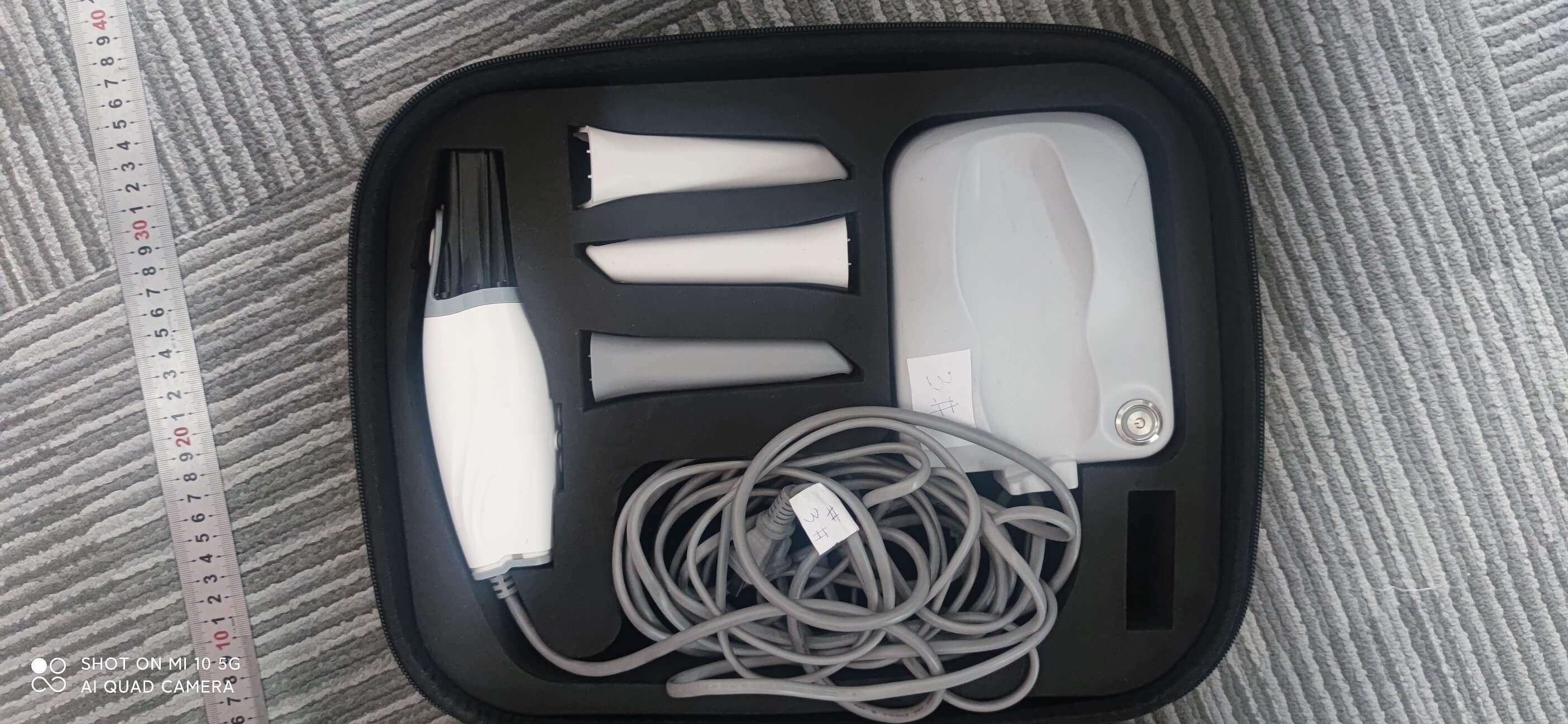
Indonesia's dental clinic sector has quietly become one of Southeast Asia's most active imaging-upgrade markets. Mid-sized private clinics in Jakarta, Surabaya, Bandung, and Medan are moving from standalone panoramic imaging to combined 2D/3D platforms as implant workflows and endodontic retreatment volume climb. A recent inquiry from a private clinic in Jakarta captures the typical brief: a private clinic at the Pramuka Raya office complex, looking for a dental digital panoramic machine with both 2D and 3D capability, shipped to Indonesia, registered through Kemenkes. This guide covers the import path in concrete terms.
"Looking for Dental Digital Panoramic 2D and 3D. Private clinic in Jakarta, Indonesia. [address redacted] Jalan Pramuka Raya Kav. 150 Jakarta 13120 Indonesia."
— Private clinic in Jakarta, Indonesia (contact on file)
2D vs 3D: what a Jakarta clinic actually needs
A standalone 2D panoramic unit (Vatech PaX-i, Planmeca ProOne, Carestream CS8100) delivers high-quality orthopantomograms at USD 12,000–18,000 refurbished, landed in Jakarta. A combined 2D/3D unit that adds CBCT capability (Vatech PaX-i3D Green, Planmeca ProMax 3D Mid, Carestream CS8100 3D) lands at USD 22,000–35,000 refurbished. The incremental cost unlocks:
- Implant planning: Accurate bone volume and nerve canal assessment without referral to external radiology — Jakarta radiology referral costs IDR 800K–1.5M per scan (USD 50–95)
- Endodontic retreatment: Missed canals identified on CBCT that panoramic imaging cannot detect
- Impacted third-molar surgery: Precise IAN canal proximity visualization pre-operatively
- Orthognathic pre-surgical assessment: Full skeletal evaluation within the clinic's own imaging suite
For a Jakarta clinic seeing 150+ patients per week with at least 10% requiring 3D imaging referrals, the 2D/3D combined unit amortizes its incremental cost within 14–20 months. If the clinic plans implant or endodontic specialty growth, buy the combined unit on first purchase — upgrading later means dual-unit footprint, dual-vendor service, and dual workflow.
FOV selection for Indonesian general and specialty clinics
The most common CBCT FOV selections we quote to Indonesian clinics, by use case:
- 5×5 cm: Single-tooth and small-region implant planning. Adequate for general practitioners who occasionally place implants. Lowest dose, fastest scan.
- 8×8 cm: Full arch single jaw. Workable for most implant cases, orthodontic cephalometric analysis, and third-molar surgical planning. The best general-purpose FOV for a growing Jakarta private clinic.
- 12×9 cm or larger: Full dual arch, suitable for bimaxillary cases, oral surgery, and TMJ imaging. Justified for implant/oral surgery specialty practices; overkill for a general clinic.
A unit with adjustable FOV (5×5 up through 16×10 cm) delivers workflow flexibility at a small cost premium over fixed-FOV units. For a clinic doing 5+ implant cases monthly, the flexibility pays for itself through patient dose optimization (ALARA compliance) and faster scan times for small-field cases.
Kemenkes Alkes registration
Indonesia's Ministry of Health (Kementerian Kesehatan — Kemenkes) regulates medical devices through the Direktorat Jenderal Kefarmasian dan Alat Kesehatan (Ditjen Farmalkes). Medical devices must be registered on the Alkes (Alat Kesehatan) registry. Panoramic and CBCT equipment classification in Indonesia:
- Class D (highest risk): CBCT and panoramic dental X-ray equipment, based on ionizing radiation and clinical criticality
- Registration holder: Must be an Indonesian PT (Perseroan Terbatas — limited liability company) with an existing medical device import license. The PT importer is the marketing authorization holder.
- Technical file: ISO 13485 manufacturer certificate, CE marking, device description, risk management, clinical evidence, IFU in Bahasa Indonesia
- Timeline: 6–9 months for first-time registration of a Class D device; 2–4 months for repeat registration of a new model from an already-registered manufacturer
Small private clinics like this one typically do not hold Alkes import licenses themselves. The practical path is to buy through an established Indonesian medical device distributor who holds the Alkes registration, or through our appointed Indonesian partner who handles import compliance and delivers the machine turnkey to the clinic. Budget USD 2,500–4,500 for first-time Alkes registration support if buying through a new distributor path.
Shipping Shanghai → Jakarta Tanjung Priok
Jakarta's primary container port is Tanjung Priok (New Priok Container Terminal for modern capacity). Typical shipment details for a dental CBCT:
- Shanghai → Tanjung Priok: 12–18 days port-to-port direct, 14–22 days via Singapore transshipment
- Ocean freight 20ft container: USD 1,200–2,000 depending on shipping line and season
- Customs clearance Tanjung Priok: 4–8 business days with valid Alkes registration; can be 2+ weeks if registration documents are incomplete
- Inland transport Tanjung Priok → Jakarta CBD (Pramuka area): 1 day, USD 80–150
- Surabaya, Bandung, Medan inland transport: 3–7 days, USD 400–900
Door-to-door total from Shanghai factory to Jakarta clinic is typically 5–7 weeks excluding any Alkes registration timeline. Plan 6–9 months for first-time import; 6–7 weeks for repeat orders after the first unit.
Duties, VAT, and all-in landed cost
Indonesian customs duty on dental imaging equipment (HS 9022.14): 5% import duty, plus 11% VAT (PPN) on CIF + duty. Additional charges: 2.5% PPh 22 income tax withholding, plus terminal handling. Worked example for a USD 28,000 FOB CBCT shipped to a Jakarta clinic:
- FOB Shanghai: USD 28,000
- Ocean freight + insurance to Tanjung Priok: USD 1,500
- CIF Tanjung Priok: USD 29,500
- Import duty 5%: USD 1,475
- VAT (PPN) 11% on CIF + duty: USD 3,407
- PPh 22 income tax 2.5%: USD 774
- Port terminal handling, inland trucking to Pramuka: USD 320
- Alkes registration support (amortized): USD 350
- All-in landed cost, Jakarta clinic: ~USD 35,826
Indonesian Rupiah (IDR) settlement typically adds 1–2% FX spread over the official reference rate. Most clinics pay in USD via TT or through an Indonesian USD-denominated medical equipment financing program from Bank Mandiri or BCA.
Power, installation, and humidity
Indonesia operates on 220V/50Hz, compatible with Chinese-origin dental equipment. Jakarta's grid is broadly reliable in business districts but summer brownouts occur — budget USD 500–1,200 for a 5kVA voltage stabilizer. Jakarta's tropical humidity (70–90% RH during rainy season) exceeds most CBCT operating environment specs (typically 30–80% RH). Air-conditioned imaging rooms at 22–25°C with dehumidification are essential to preserve detector panel life. A dental clinic at the IS Plaza Building or any modern Jakarta office tower will typically have adequate HVAC; standalone clinics should budget USD 800–2,000 for imaging-room environment conditioning.
Service coverage
Service support for Indonesian dental CBCT clinics is typically handled through the appointed Alkes distributor, with critical parts shipment direct from Shanghai via DHL/FedEx (3–5 day door-to-door to Jakarta). Annual calibration visits by a qualified field engineer are standard for refurbished units. Budget USD 1,200–2,400 annually for service contract coverage, inclusive of one calibration visit and 15% parts discount.
Importing a 2D/3D imaging unit to Indonesia?
WhatsApp us with your clinic profile — patient volume, specialty mix (implant, endo, ortho, general), target FOV, budget range, and destination city (Jakarta, Surabaya, Bandung, Medan). We'll respond with platform options, FOB quotes, an Alkes registration timeline through our Indonesian partner, and full landed cost analysis.
Chat on WhatsApp →Have a specific unit in mind?
Tell us which model you want and your destination port — we'll quote FOB or CIF with a video demo of the actual unit in our warehouse.