Endodontic Motor with Apex Locator Sourcing: Rotary, Reciprocating, and File System Compatibility
How dental practices source endodontic motors with integrated apex locators from Shanghai — rotary vs reciprocating motion modes, apex locator technology generations, file system compatibility (ProTaper, WaveOne, Reciproc, Hyflex and more), integrated vs standalone architecture, LED handpiece, and FOB Shanghai pricing across tiers.
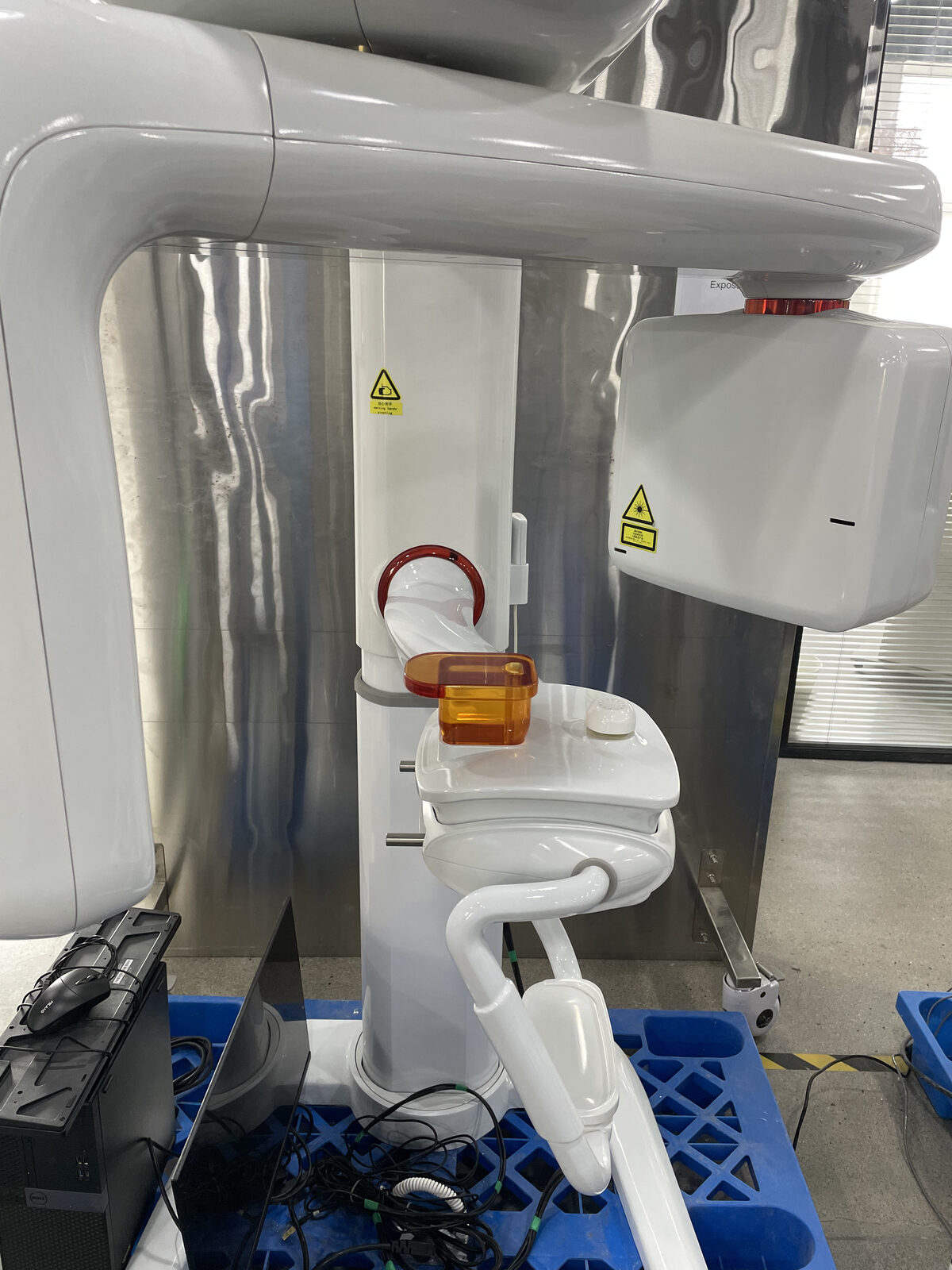
Endodontic motor and apex locator integration has transformed root canal treatment workflow from a two-device parallel process to a unified clinical sequence. Modern combined endodontic motors with integrated apex location deliver real-time apical positioning feedback during canal instrumentation, improving clinical safety and workflow efficiency. This guide walks through endodontic motor selection, apex locator technology, and procurement considerations for practices commissioning endodontic capability from Shanghai.
Clinical role of endodontic motor systems
Endodontic motors replace manual hand instrumentation of root canals with controlled rotary or reciprocating mechanical motion. Clinical advantages:
- Consistent instrumentation: controlled torque and speed reduce instrument fracture risk and improve canal preparation consistency
- Time efficiency: properly used rotary or reciprocating endodontics reduces canal preparation time by 30–60% vs. pure hand instrumentation
- Specific file system support: file manufacturers specify optimal torque and speed parameters for their systems; endodontic motor programs store these settings
- Auto-reverse torque protection: automatic reverse when torque limit approached prevents instrument fracture
- Integrated apex location: real-time apical position during active instrumentation
Integrated vs. separate apex locator
Standalone apex locator + separate endodontic motor
- Apex locator: small bench-top unit with lip clip and instrument clip; measures electrical impedance to determine file position relative to apex
- Separate endodontic motor: dedicated torque/speed controller with rotary or reciprocating handpiece
- Workflow: use apex locator first for working length determination, then use motor for instrumentation to determined length
- Advantages: independent equipment replacement; typically cheaper initial investment
- Disadvantages: two devices on chair-side cart; no real-time apex feedback during active instrumentation
- Price range: USD 180–450 apex locator + USD 450–1,200 endodontic motor
Integrated motor + apex locator (recommended modern approach)
- Single unit with integrated apex location during active instrumentation
- Workflow: file connected to motor handpiece and to apex locator simultaneously; real-time apex proximity displayed on motor display
- Auto-stop at apex: motor automatically stops or reverses when file reaches programmed apex distance
- Advantages: real-time safety, integrated workflow, single device on cart, auto-stop prevents over-instrumentation
- Disadvantages: slightly higher initial cost; single device failure affects both functions
- Price range: USD 550–1,800 FOB Shanghai for integrated unit
Rotary vs. reciprocating motion
Continuous rotary motion
- Motion: continuous forward rotation of file (typically 150–600 rpm)
- File systems: ProTaper, ProTaper Next, K3XF, Hyflex, Vortex Blue, RaCe, and many others
- Advantages: faster instrumentation when technique is good
- Disadvantages: higher instrument fracture risk if technique inadequate; cyclic fatigue on file
- Torque requirements: varies by file system, typically 0.6–4.0 Ncm
Reciprocating motion
- Motion: alternating rotation (e.g. 150° forward, 30° reverse) simulating manual filing motion
- File systems: WaveOne (Dentsply Sirona), Reciproc (VDW), Reciproc Blue, SmartMatic
- Advantages: lower instrument fracture risk, adequate for less experienced operators, often single-file system reducing instrument inventory
- Disadvantages: slightly slower instrumentation; specific file systems required
- Angle programming: forward angle and reverse angle programmable per file system
Combined rotary + reciprocating
- Modern endodontic motors support both modes with program switching
- Allows clinic to use any file system and technique
- Recommended standard feature at mid-tier and above
Key specifications
- Torque range: 0.6–5.5 Ncm typical (vs. implant surgical motors at 5–80 Ncm)
- Speed range: 100–1,200 rpm typical
- Gear ratio: typical 16:1 reduction contra-angle for endodontics
- Program memory: 10–30 program slots for different file systems
- Apex locator technology:
- Dual-frequency impedance measurement (standard for accurate readings)
- Multi-frequency impedance (premium, more accurate in wet canals)
- Apex accuracy: 0.5mm accuracy typical at mid-tier; 0.25mm at premium
- Display: color LCD showing file position graphically; audible warning tones
- Handpiece: autoclavable contra-angle with LED illumination
- Wireless foot pedal: premium feature eliminating cable tangle
- Battery operation: many endodontic motors operate on rechargeable battery for cordless chairside use
Apex locator technology deep-dive
Apex locators determine file position using electrical impedance between file tip and periodontium. Evolution of technology:
- First-generation (resistance-based): obsolete; required dry canal
- Second-generation (single-frequency impedance): improved but still unreliable in wet canals
- Third-generation (dual-frequency impedance): current standard; accurate in wet or dry canals
- Fourth-generation (multi-frequency, ratio-based): premium; highly accurate across canal conditions
- Fifth-generation (adaptive algorithms): premium; machine-learning-enhanced position determination
Quality tier pricing
Entry-tier endodontic motor (USD 250–550 FOB)
- Basic rotary motion only
- 5–10 program slots
- Standalone (no integrated apex location)
- Basic foot pedal
- Fit: low-volume endodontics (<3 cases per week)
Mid-tier integrated motor + apex (USD 550–1,200 FOB)
- Rotary + reciprocating motion modes
- 15–25 program slots with pre-loaded file system protocols
- Integrated dual-frequency apex locator
- Color LCD, auto-stop at apex
- LED handpiece
- Fit: mainstream general practice endodontics (5–20 cases per week)
Premium integrated (USD 1,200–2,200 FOB)
- Rotary, reciprocating, and custom motion modes
- 30+ program slots; update-able file library
- Multi-frequency apex locator with high accuracy
- Wireless foot pedal, wireless handpiece option
- Battery operation
- Data logging (case records)
- Fit: endodontic specialty practice
Handpiece considerations
- 16:1 reduction endodontic contra-angle: standard for endodontic motors
- LED illumination: standard at mid-tier and above
- Autoclave rating: at least 500 cycles typical expectation
- Push-button chuck: tool-free file change
- Irrigation port: some handpieces support external irrigation through handpiece
- Sterilization workflow: handpiece fully autoclavable; maintain 2 handpieces for rotation
File system support matrix
Modern endodontic motors with programmable libraries support major file systems. Typical pre-loaded file systems include:
- ProTaper (universal, Gold, Next, Ultimate)
- WaveOne Gold (reciprocating)
- Reciproc / Reciproc Blue (reciprocating)
- Hyflex (CM, EDM)
- Vortex Blue, K3XF, Twisted File Adaptive
- RaCe, BioRaCe
- Brazilian, Korean, and Chinese file systems (growing market presence)
- Custom user-defined programs for any file system
Accessory consumables and costs
- Lip clips: USD 1–3 each; typically autoclavable 10–25 cycles, then replaced
- File clips: typically reusable, replaced when worn or damaged
- Cables: apex locator cables are common wear items; maintain spare
- Handpiece lubricant: specific lubricant for endodontic handpieces, approximately USD 15–40 per can
- Endodontic files (consumable): not included with motor; separate file inventory USD 8–35 per file, 4–8 files per case typical
Clinical workflow integration
- Initial pulp removal: manual hand files typically used for initial access and pulp removal before rotary/reciprocating instrumentation
- Working length determination: apex locator used to establish working length; confirmed by periapical radiograph if clinically indicated
- Active instrumentation: rotary or reciprocating instrumentation to established working length with continuous apex feedback
- Irrigation protocol: sodium hypochlorite, EDTA, saline irrigation between files (not dependent on motor)
- Obturation: separate workflow with gutta-percha (thermoplastic or cold, depending on technique); not integrated with endodontic motor
Regulatory considerations
- Classification: Class IIa in CE-MDR; Class II 510(k) in US FDA
- CE marking: required for EU distribution
- ISO 13485 manufacturer certification: standard expectation
- Electrical safety: IEC 60601-1 medical electrical equipment certification
- Destination country registration: typically Class IIa equivalent
Commissioning package
Typical endodontic motor commissioning order:
- Integrated motor + apex locator unit
- 2× endodontic contra-angle handpieces (one in service, one rotation)
- Wireless foot pedal
- 1× lip clip cable set + 2 spare lip clips
- Apex locator probes
- Starter file kit (varies by preferred system)
- Total FOB Shanghai: USD 700–1,800 for mid-tier package; USD 1,500–2,800 for premium package
Common procurement mistakes
- Buying standalone motor without apex integration: integrated units cost minimally more but provide substantial workflow safety improvement
- Under-specifying apex accuracy: second-generation apex locator technology is obsolete; insist on dual-frequency minimum
- Buying motor without verifying file library: if your preferred file system isn’t in the library, you’ll rely on manual programming
- Not budgeting for spare handpiece: handpiece failure stops endodontic workflow; spare handpiece is essential
- Ignoring battery life specification: battery-operated motors have variable battery life; verify rated cycle count
Sourcing an endodontic motor with apex locator from Shanghai?
WhatsApp us with your practice context (general or endodontic specialty), preferred file system, destination country, and budget. We’ll propose endodontic motor options matched to your workflow, discuss rotary vs. reciprocating tradeoffs, verify file library includes your preferred systems, and quote FOB Shanghai pricing with full commissioning package landed cost analysis.
Chat on WhatsApp →Have a specific unit in mind?
Tell us which model you want and your destination port — we'll quote FOB or CIF with a video demo of the actual unit in our warehouse.