RVG Sensors for Colombian Dental Clinics: Radiovisiograph Sourcing from Shanghai to Bogotá
How Colombian dental clinics source digital intraoral X-ray (RVG) sensors from Shanghai — covering CMOS sensor specifications, TWAIN integration with Colombian practice management platforms, INVIMA registration, Bogotá air freight, and film-to-digital workflow transition.
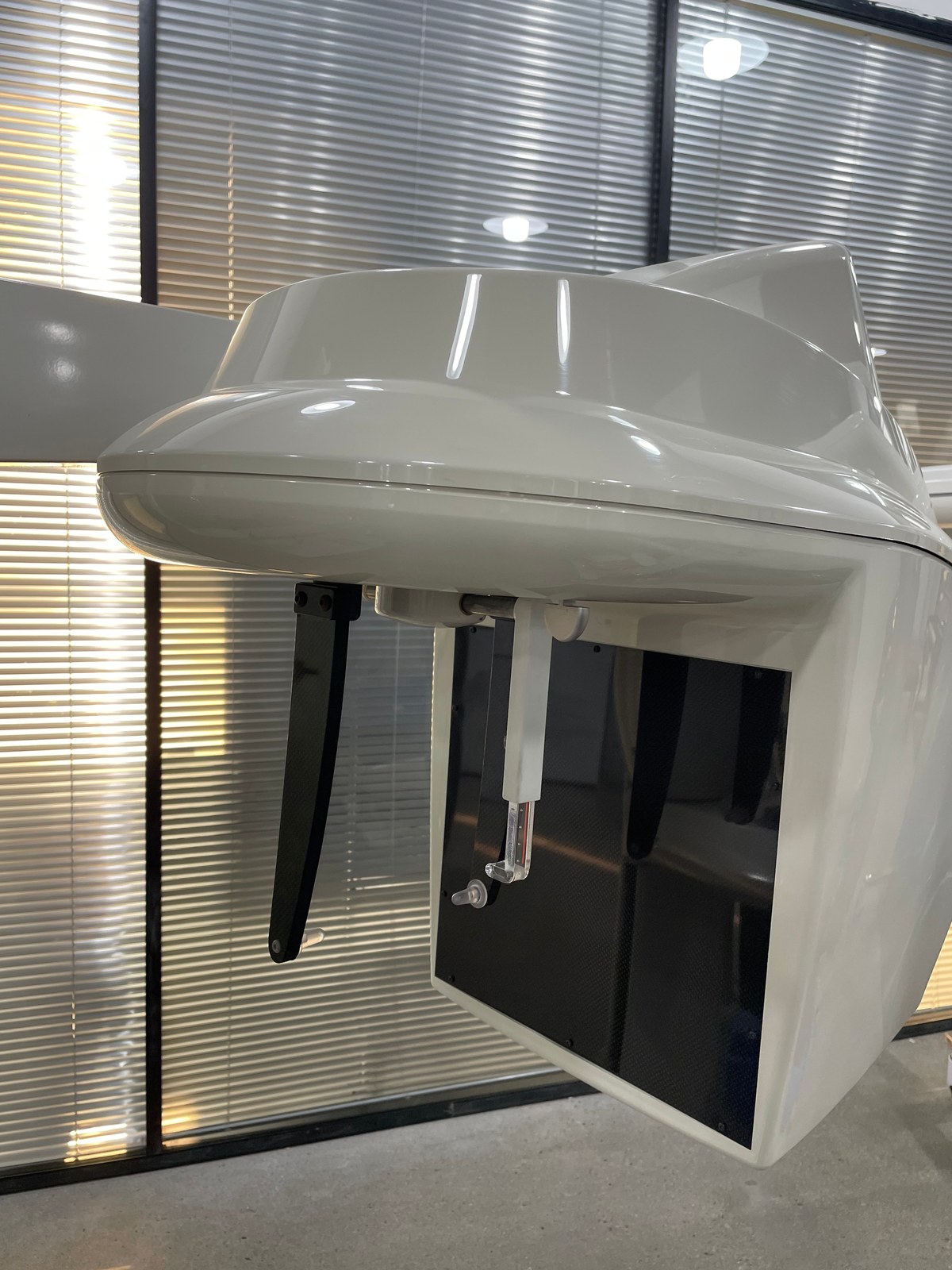
Colombian private dental practice is among the most digitally mature in Latin America, with strong CAD/CAM adoption and sophisticated imaging workflows particularly in Bogotá, Medellín, Cali, and Cartagena. Digital radiography — specifically RVG (radiovisiography) sensors — represents one of the most common entry-level digital imaging upgrades for Colombian clinics still running conventional film-based intraoral X-ray. Recent Colombian clinician inquiries for RVG sensors capture this pattern: clinics making the film-to-digital transition who want reliable sensor specifications at realistic pricing. This guide walks through RVG sensor sourcing for Colombian clinical practice.
"Dental radiovisiograph (RVG sensor)."
— Dental clinic in Colombia (contact on file)
RVG sensor technology explained
Intraoral digital radiography sensors (commonly called RVG for "radiovisiograph") replace conventional intraoral X-ray film with a CMOS or CCD image sensor that captures radiographic images directly to computer. Specification parameters that matter clinically:
- Sensor size: Size 0 (pedodontic), Size 1 (anterior adult), Size 2 (posterior adult, most common). Size 2 alone serves approximately 75% of intraoral imaging workflow in general dentistry.
- Resolution: measured in line pairs per millimeter (lp/mm). Clinical benchmark: 20+ lp/mm at sensor center, 18+ lp/mm at edges. Modern quality sensors deliver 22–26 lp/mm typical.
- Pixel size: 15–20 µm typical for modern sensors. Smaller pixel = higher resolution but smaller sensitive area.
- Active area vs. total area: some sensors have large physical dimensions but smaller sensitive area, inconvenient for patient positioning. Target sensitive area at least 85% of physical area.
- Connection: USB 2.0 or 3.0 direct-connect. Wireless options available but meaningfully more expensive.
- Cable durability: the most common failure mode for intraoral sensors. Premium sensors use reinforced cables with USB over-mold connectors. Budget sensors fail cables within 12–18 months of clinical use.
Software compatibility: the frequent pitfall
Chinese RVG sensors ship with bundled proprietary software that handles image acquisition. The practical question is whether the sensor integrates with the clinic’s practice management software:
- TWAIN driver: industry-standard protocol for image device integration. A TWAIN-compliant sensor can acquire images into any TWAIN-compatible practice management system (most Colombian practices use SaludTools, Odontored, Dentalink, or similar).
- Proprietary software only: sensor works, but the dentist must run the sensor’s own application separate from practice management, manually import images
- DICOM output: enables integration with hospital PACS systems. Usually only on mid-tier and premium sensors.
For a Colombian clinic integrating with a local practice management platform, confirm TWAIN driver support before purchase. A sensor without TWAIN requires clinic workflow to accommodate proprietary software, producing friction that rarely goes away.
Chinese RVG sensor pricing tiers
- Entry tier: Size 2 CMOS sensor, basic TWAIN driver, 18–20 lp/mm resolution. USD 650–950 FOB Shanghai. Clinically acceptable for general dental practice.
- Mid tier: Size 2 CMOS or CsI-CMOS, premium TWAIN driver with major practice management integrations, 22–24 lp/mm resolution, reinforced cable. USD 1,100–1,600 FOB.
- Premium tier: CsI-CMOS or CsI-CCD with high resolution (25–28 lp/mm), DICOM output, wireless module option. USD 1,800–2,800 FOB.
For a Colombian clinic making first digital radiography purchase, the mid-tier (USD 1,100–1,600 FOB) typically delivers the best value. Clinical image quality matches or exceeds conventional film-based workflow, TWAIN integration works with Colombian PM platforms, and cable durability is adequate for 3–4 years of clinical use.
INVIMA registration and compliance
Colombia regulates medical devices through INVIMA (Instituto Nacional de Vigilancia de Medicamentos y Alimentos):
- Intraoral X-ray sensors: Class IIa (moderate risk)
- Registration timeline: 4–8 months for Class IIa dental imaging
- Required documentation: manufacturer ISO 13485, CE marking or FDA clearance, Spanish-translated IFU, local representative
- For single-unit personal clinical imports by practicing Colombian dentists: simplified customs protocol available
- Premarket registration number is required for any commercial distribution
Shipping Shanghai to Cartagena or Buenaventura
Colombia’s primary container ports are Cartagena (Atlantic coast, serves Bogotá, Medellín, Cali) and Buenaventura (Pacific coast, alternative routing). For small-format RVG sensors (typically 150–300g each in packaging):
- Air freight Shanghai to Bogotá (BOG) via Amsterdam or Madrid: 7–11 days door-to-door, USD 35–80 for a single sensor + charger + cables.
- Ocean LCL Shanghai to Cartagena: 28–38 days, USD 180–320 for a small consolidated shipment.
- Customs clearance: 4–8 business days typical for medical equipment with INVIMA documentation
Duty, VAT, and landed cost
Colombian customs duty on dental X-ray sensors (HS 9018.49): typically 5–10% duty, plus 19% IVA. Worked example for a USD 1,400 FOB mid-tier Size 2 RVG sensor:
- FOB Shanghai: USD 1,400
- Air freight to Bogotá: USD 60
- Insurance: USD 10
- CIF Bogotá: USD 1,470
- Customs duty 7%: USD 103
- IVA 19% on CIF + duty: USD 299
- Broker, clearance, inland to clinic: USD 140
- All-in landed Bogotá: approximately USD 2,012
Clinical workflow transition from film
Colombian clinics transitioning from film-based intraoral radiography to RVG sensors typically require approximately 2 weeks of workflow adjustment:
- Week 1: learning sensor positioning (different from film positioning due to rigid sensor body), practicing exposure settings, establishing image storage conventions in practice management
- Week 2: transitioning all routine diagnostic cases to digital workflow, retaining film only as backup
- Ongoing: significantly faster workflow (image available immediately, no chemical processing), enhanced diagnostic tools (histogram adjustment, magnification, angle measurement), reduced consumables cost, eliminated darkroom chemistry disposal
Per-clinic economics
For a Colombian clinic performing 20–40 intraoral radiographs per month:
- Film + developer + fixer + paper: approximately USD 2.50–4.00 per radiograph
- RVG sensor workflow: approximately USD 0.10–0.20 per radiograph (electrical and consumable depreciation)
- Monthly consumable savings: USD 48–160
- RVG sensor payback vs. film: approximately 12–24 months against consumable savings alone, ignoring workflow time savings
Sourcing an RVG sensor for your Colombian clinic?
WhatsApp us with your practice management platform (SaludTools, Dentalink, Odontored, or other), case volume, and target sensor size (1, 2, or 0 for pediatric). We’ll propose TWAIN-compatible RVG options, quote CIF Bogotá air freight, and landed cost analysis with Spanish-language training and INVIMA-compliant documentation.
Chatear por WhatsApp →