OPG Dental Panoramic X-Ray for Sudanese Clinics: Port Sudan Sourcing in Post-Conflict Context
How Sudanese dental clinics source OPG panoramic X-ray equipment in the post-2023 environment — covering UAE/Egypt/Saudi payment routing, Port Sudan logistics, MoH and NMPB compliance, power infrastructure, and video-guided commissioning without field engineer dispatch.
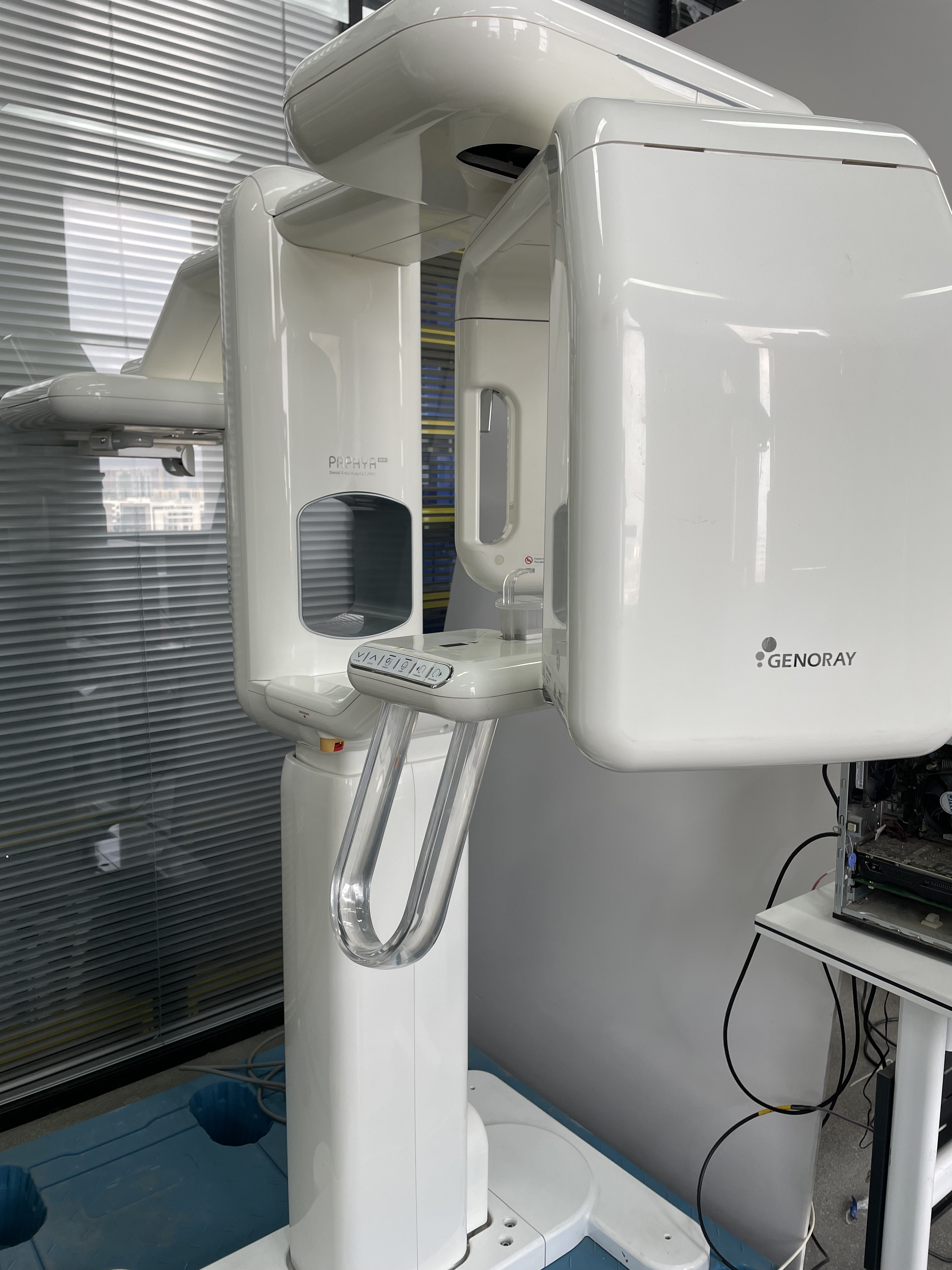
Sudanese dental practice has operated under an extraordinary set of constraints since the outbreak of conflict in April 2023. Khartoum private dental clinics — the largest cluster in the country’s dental sector — have been significantly disrupted, while Port Sudan, Kassala, and northern cities have absorbed displaced clinical capacity and continue to serve Sudanese patients through extraordinary operational difficulty. Inquiries from Sudanese clinicians still reach us, asking for dental OPG equipment — evidence that the private dental sector continues to function and plan for reconstruction. This guide walks through OPG sourcing for Sudanese dental practice in 2026, addressing realistically the logistical and payment challenges specific to the current environment.
"OPG dental machine."
— Dental practice in Sudan (contact on file)
The Sudanese dental market in current context
Sudan has roughly 49 million residents and an estimated 3,400 practicing dentists as of 2024, though substantial displacement since April 2023 has redistributed clinical capacity. Port Sudan has become the primary functional gateway for medical equipment imports, while Khartoum dental sector operates at a fraction of pre-conflict capacity. Market characteristics shaping OPG sourcing:
- Port Sudan is the functional entry point — Red Sea port handles all container traffic since Khartoum airport suspended commercial operations
- Payment routing constraints — Sudan faces substantial international banking restrictions. UAE and Egyptian intermediary accounts are standard for legitimate medical equipment imports
- Grid power and water infrastructure damage in conflict areas — private clinics outside Port Sudan require self-contained power and water capability
- Private practice continues despite conflict — Sudanese dentists are actively reopening practices in Port Sudan, Kassala, Wad Madani, and Atbara as displaced populations establish new community centers
OPG tier selection for current Sudanese context
The right OPG for a Sudanese clinic currently reopening or relocating prioritizes simplicity, ruggedness, and minimal proprietary dependencies:
- Basic digital panoramic OPG: USD 11,500–16,500 FOB Shanghai. CMOS integrated sensor, 220V single-phase, self-contained DICOM output. Right choice for most reopening Sudanese practices.
- Panoramic + cephalometric: USD 16,500–24,000 FOB. Adds ceph arm for orthodontic workflow. Consider only if the clinic has orthodontic specialty focus.
- Refurbished premium brand OPG (Vatech, Planmeca, Carestream): USD 14,000–22,000 FOB. Reasonable alternative for clinics wanting proven long-term reliability.
The critical specifications for Sudanese operational context are not cutting-edge imaging features but rugged operational parameters:
- Voltage tolerance 180–260V (Sudanese grid voltage frequently sags)
- Dust resistance — Khartoum and surrounding areas experience significant dust storms (haboobs) that foul unprotected imaging electronics
- Simple restart behavior after power interruption — no proprietary cloud-auth or license-server dependencies that might fail if internet connectivity is intermittent
- Comprehensive spare parts kit shipped with unit (fuses, light bulbs, water filters, X-ray tube head mounting hardware)
Payment routing: UAE, Egypt, or Saudi Arabia
Practical payment settlement for Sudanese equipment imports in 2026:
- UAE (Dubai) intermediary: most common route. Sudanese buyer transfers USD to UAE-based trading company or personal account, which pays Chinese supplier. Fees 2–4%.
- Egypt (Cairo) intermediary: alternative routing, works for Sudanese buyers with Egyptian banking relationships. Similar fee structure.
- Saudi Arabia (Jeddah) intermediary: leveraging Red Sea corridor, Saudi-based Sudanese diaspora frequently facilitate trade flows for family-operated clinics
- Informal hawala networks: continue to operate for smaller transactions, though scrutiny has increased since 2023
Shipping Shanghai to Port Sudan
Port Sudan has become the dominant entry point for Sudanese cargo in 2026:
- Shanghai to Port Sudan via Jeddah: 32–42 days via Red Sea routing. USD 2,800–4,200 for 20ft LCL.
- Shanghai to Djibouti + truck to Sudan: 35–45 days total. Alternative when Port Sudan congested.
- Customs clearance at Port Sudan: 10–20 business days typical for medical equipment — slower than pre-conflict but functional
- Inland transport Port Sudan to Khartoum/Wad Madani/Kassala: 1–3 days, USD 800–1,800 per truck depending on route and current security conditions
Ministry of Health and NMPB
Sudan regulates medical devices through the Ministry of Health (MoH) and the National Medicines and Poisons Board (NMPB). Current registration process:
- MoH registration for Class II medical devices (panoramic X-ray): 6–12 months under current conditions
- NMPB registration for radiation equipment
- Sudanese Atomic Energy Commission (SAEC) licensing required for X-ray equipment installation
- For single-unit clinical imports by licensed Sudanese dentists: simplified customs under medical personal-use provisions has been functioning throughout the conflict period
- A Sudanese customs broker with medical equipment experience (typically based in Port Sudan or Khartoum) is essential
Duty, VAT, and landed cost
Sudanese customs duty on dental imaging (HS 9022.14): typically 10–15% depending on classification, plus 17% VAT. Worked example for a USD 14,500 FOB digital panoramic OPG:
- FOB Shanghai: USD 14,500
- Ocean freight + insurance to Port Sudan: USD 3,200
- CIF Port Sudan: USD 17,700
- Customs duty 12%: USD 2,124
- VAT 17% on CIF + duty: USD 3,370
- Broker fees, port handling, inland to clinic city: USD 2,200–3,500
- All-in landed cost: approximately USD 25,500–27,000
Installation and commissioning under constraints
Field engineer dispatch to Sudan is not feasible under current conditions. Practical commissioning approach:
- Video installation support via WhatsApp with Chinese supplier, typically 6–10 hours total support time for first-time installer
- Comprehensive printed installation documentation shipped with unit
- Pre-calibrated unit with factory acceptance test results, to minimize on-site calibration requirements
- Generous spare parts kit (USD 1,500–2,500) shipped with unit — dramatically reduces downtime risk if component fails during first year
- Remote diagnostic and software support over WhatsApp/email throughout warranty period
Power infrastructure
Sudanese clinic power infrastructure for OPG installation:
- 5kVA online UPS with 15–30 minute autonomy: USD 1,200–1,800 landed
- Voltage regulator 150–280V input to 220V: USD 500–900
- 8–12kW diesel generator as primary backup: USD 2,500–4,500 landed
- Solar + battery option (growing in Sudan): USD 4,500–8,500 for a system capable of supporting clinic imaging operations
- Total power infrastructure: USD 4,000–10,000 depending on location and reliance on grid vs. solar
For clinics in Port Sudan, grid reliability is relatively better than Khartoum currently. For clinics in more remote locations, solar + battery + diesel backup combination is increasingly standard.
Sourcing OPG or panoramic imaging for a Sudanese clinic?
WhatsApp us with your current city (Port Sudan, Khartoum, Wad Madani, Kassala, Atbara, or elsewhere), operational context, and specific equipment needs. We’ll propose realistic OPG configurations, quote FOB Shanghai with UAE or Saudi payment routing, and provide video-supported installation protocols appropriate to the current environment.
Chat on WhatsApp →