Remote Video Commissioning for Dental Equipment: Installation Without Field Engineer Dispatch
How dental buyers successfully commission equipment from Shanghai without OEM field engineer dispatch — covering remote video-guided commissioning model, equipment categories well-suited to remote work, local technician requirements, spare parts strategy, communication protocols, cost comparison, and success criteria for CBCT, IOS, autoclave, compressor, milling, and 3D printer commissioning.
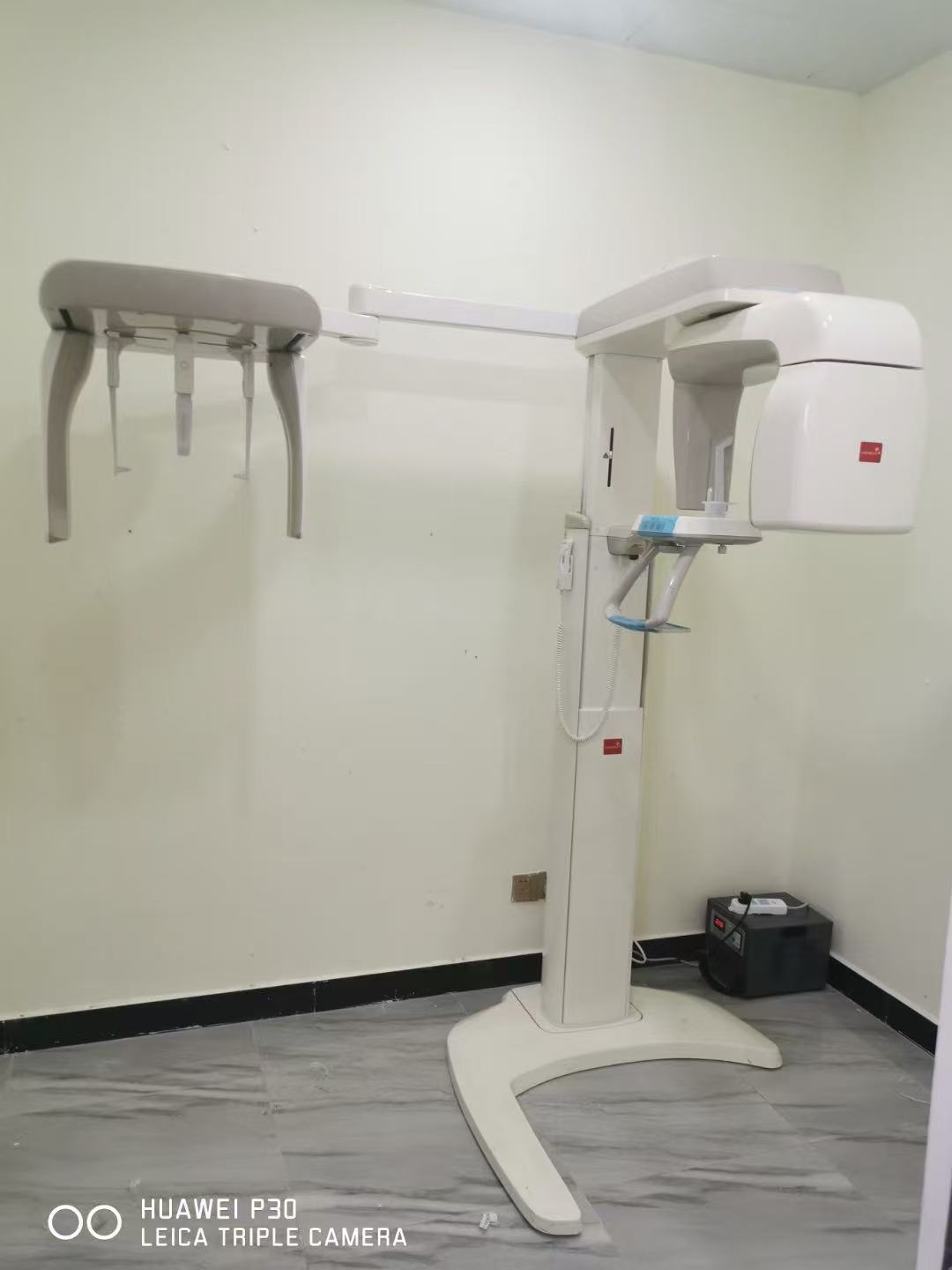
Dental equipment commissioning without factory-dispatched field engineer has become the dominant delivery model for equipment sourced from Shanghai to destinations outside established OEM service networks — covering most of Sub-Saharan Africa, Central and South Asia, Pacific Islands, Caribbean, Central Asia, and much of the Middle East outside GCC premium markets. Remote video-guided commissioning is not a compromise; when done well, it delivers equivalent outcomes to on-site commissioning for the majority of dental equipment categories. This guide walks through the remote commissioning model.
The commissioning challenge
Factory field-engineer dispatch for dental equipment installation outside major markets is economically infeasible:
- Engineer dispatch cost: USD 3,500–8,500 for 3–5 day dispatch including flights, hotels, per diem, labor — cost frequently exceeds 10–15% of equipment value for mid-tier commissions
- Visa and travel logistics: Chinese engineers face visa barriers to many destination countries; timeline impacts of 2–8 weeks for visa processing at some destinations
- Limited regional bench depth: most Chinese equipment suppliers have only 1–3 engineers capable of international dispatch; scheduling delays common
- Post-commissioning service challenge: same engineer dispatch economics apply to service calls, making routine maintenance impractical
Remote video commissioning model
Effective remote commissioning uses video conferencing + local technical assistance:
- Pre-shipment preparation: Chinese supplier provides written commissioning manual, photo/video installation sequence, local technician requirements specification, parts and tools inventory
- Local technician engagement: buyer engages local electrical/mechanical technician familiar with dental equipment concepts (if available) or general electrical/medical equipment technician
- Video commissioning sessions: Chinese supplier engineer conducts video-guided commissioning over WhatsApp, WeChat, Zoom, or Teams — typical sessions 2–4 hours, multiple sessions over 2–5 days total
- Documentation package: comprehensive photo documentation of each commissioning step for reference
- Acceptance testing: factory test protocol executed remotely, with local technician performing measurements and video-verifying results
- Clinical training: separate series of video sessions for clinical operator training (2–6 hours typical depending on equipment complexity)
Equipment categories well-suited to remote commissioning
- Intraoral scanners (IOS): very well-suited. Minimal physical installation (plug-and-play), software setup straightforward. Most IOS vendors commission 100% remotely.
- Dental autoclaves: well-suited. Physical installation straightforward, commissioning largely electrical + plumbing + validation cycle testing.
- Dental compressors and suction systems: moderately well-suited. Physical installation requires local skilled technician for piping; electrical commissioning straightforward.
- 3D printers and milling machines: well-suited with competent local technician. Software setup and calibration can be conducted remotely effectively.
- Dental chairs: moderately well-suited. Physical assembly requires skilled local technician; electrical and hydraulic commissioning effectively remote-guided.
- Panoramic X-ray units: moderately well-suited with qualified radiation safety officer local.
- CBCT units: more challenging but feasible. Requires competent local electrical technician and qualified radiation safety officer. Commissioning typically 5–10 days with multiple video sessions.
Equipment categories that typically require on-site engineer
- Hospital-scale CBCT in busy clinical environment: complexity, calibration precision, and service response expectations typically justify on-site commissioning
- Comprehensive multi-unit clinic commissioning with integrated PMS + imaging + IOS + lab workflow: integration complexity benefits from on-site engineer
- Specialty OR-grade equipment such as surgical microscopes or complex surgical workflow integration
Local technician requirements
Effective remote commissioning requires qualified local technician for physical installation tasks:
- Electrical qualifications: licensed electrician familiar with local electrical codes
- Mechanical aptitude: ability to follow written installation instructions and photo sequences
- Video call tolerance: comfortable with video-guided work, able to adjust position/angle as directed
- Language capability: English or supplier’s local-language capability (Chinese suppliers frequently speak English at basic-to-competent level; some speak Arabic, French, Spanish, Russian, or other regional languages)
- Tool access: basic electrical/mechanical tools; equipment-specific tools shipped with equipment
- For CBCT: qualified medical physicist or radiation safety officer for radiation measurement and shielding validation
Spare parts inventory strategy
Remote commissioning model requires larger spare parts inventory than on-site commissioning because:
- Service response via engineer dispatch is not practical
- Parts shipment from China typically 5–10 days (air courier) or 25–45 days (ocean freight)
- Clinical equipment downtime directly impacts revenue
Typical spare parts inventory for different equipment:
- IOS: 2–3 replacement tips, 1 spare charger, 1 spare calibration plate (USD 300–650)
- Autoclave: door seal, filter cartridges, pressure sensor (USD 200–400)
- Dental chair: motor brushes, lamp bulbs, handpiece couplings, minor electronic parts (USD 400–800)
- CBCT: sensor cleaning kit, positioning laser, minor mechanical parts (USD 800–1,800) plus preferred major-component spares if practice volume justifies (e.g., spare detector USD 8,000–15,000)
- Compressor: filters, valves, pressure switch, motor brushes (USD 300–600)
- Milling machine: spindle (critical wear part), drill bits, belt, control electronics (USD 1,500–3,500)
Communication protocol for effective remote work
Successful remote commissioning relies on clear communication:
- Scheduled sessions: pre-agreed time slots accommodating time zone differences (typical China UTC+8 vs. destination time zone)
- Written session summary after each video session, documenting progress and next steps
- Photo documentation of each commissioning step for reference and troubleshooting
- Shared document repository: Google Drive, Dropbox, or equivalent for manual, video, photo access
- WhatsApp or WeChat group for quick questions and small items
- Clear escalation path for issues requiring supplier engineering team consultation
Commissioning success criteria
Well-structured remote commissioning defines specific acceptance criteria:
- Equipment installation verified (mechanical, electrical, plumbing as applicable)
- Factory test protocol executed successfully
- Calibration within factory specification (where applicable)
- Clinical operator training completed with competency demonstration
- Documentation package complete (installation record, test results, training records)
- First clinical case successfully completed (for applicable equipment)
- Sign-off on commissioning completion by buyer and supplier
Cost comparison: remote vs. on-site commissioning
For a USD 35,000 CBCT commission to a Nigerian private clinic:
- On-site engineer dispatch: USD 6,200 (engineer cost + travel + per diem for 5 days)
- Remote commissioning: USD 450 (engineer time + local technician cost + extra spare parts reserve)
- Outcome quality: equivalent for CBCT with competent local electrical technician and qualified radiation safety officer
- Timeline: remote typically 7–10 days vs. on-site 3–5 days
- Cost savings: approximately USD 5,750 applied to extended spare parts inventory provides substantial operational resilience
Planning remote commissioning for Shanghai-sourced dental equipment?
WhatsApp us with your equipment category, destination country, and local technical resources available. We’ll structure a commissioning plan matched to your equipment and local capability, specify spare parts inventory, schedule video commissioning sessions in your time zone, and provide comprehensive photo-and-video installation documentation.
Chat on WhatsApp →