Entry-Tier CBCT for Pacific Island Dental Clinics: YJ-PLX3000A, Budget $10K, and Realistic Tradeoffs
How Pacific island dental clinics (Cook Islands, Samoa, Fiji, Tonga, Vanuatu) source entry-tier CBCT at tight budget constraints. Covers YJ-PLX3000A specifications, Pacific shipping logistics, service parts realities, power infrastructure, and honest assessment of clinical tradeoffs.
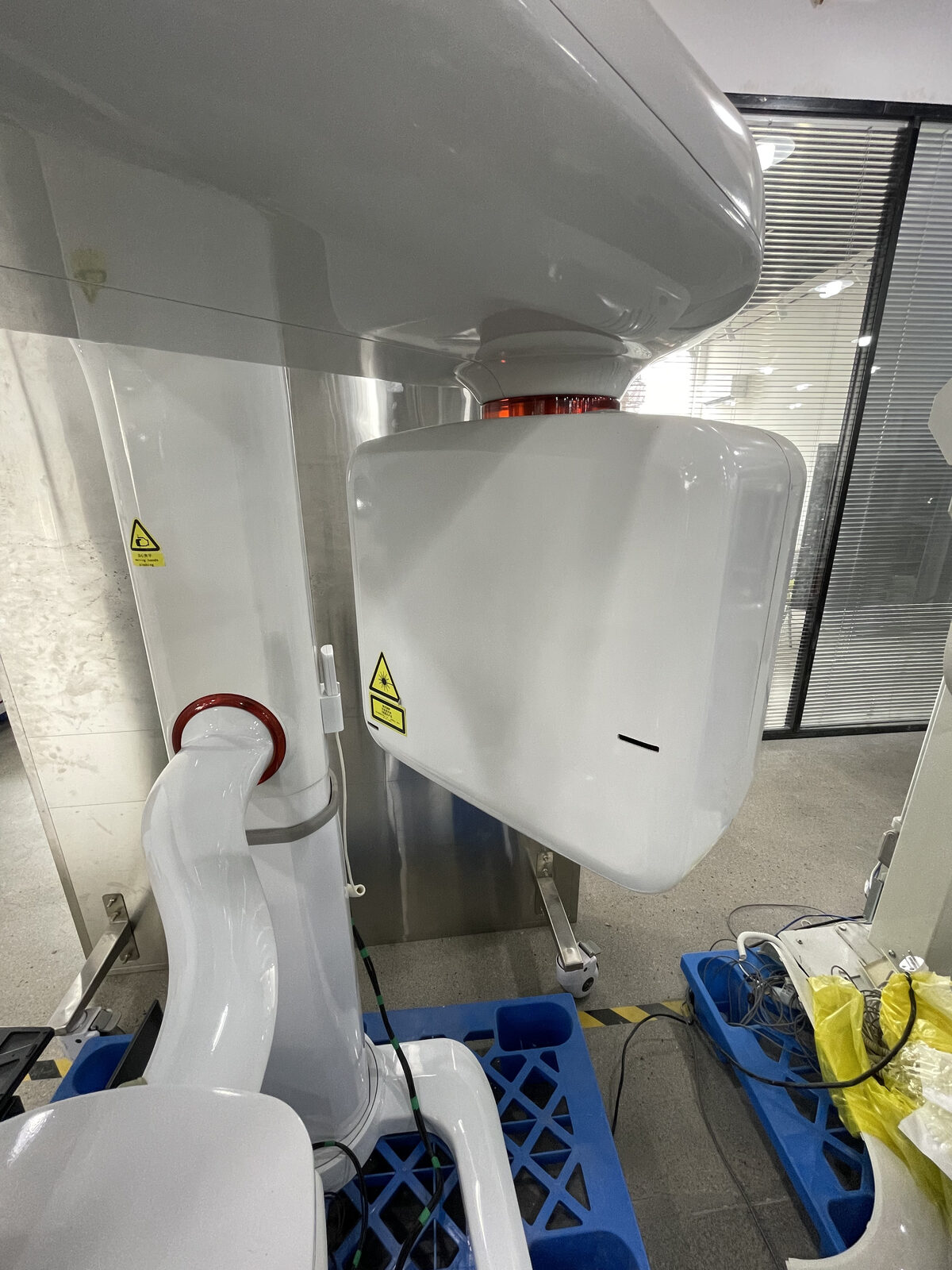
Pacific island dental practice operates under some of the most constrained procurement environments globally. Cook Islands, Samoa, Tonga, Fiji, Vanuatu, and similar markets face extremely small patient populations, high shipping costs, long logistics timelines, and dental practitioners who frequently serve as sole imaging specialists for entire island populations. A recent inquiry from a Cook Islands clinician captures the exact procurement challenge: a request for a specific Chinese CBCT model (YJ-PLX3000A) with a strict budget constraint (USD 10,000) for implant planning use. This guide walks through what’s realistic at the USD 10,000 budget tier for Pacific island dental CBCT imaging, and the practical tradeoffs clinicians should understand.
"Quotation for a CBCT for dental implant. YJ-PLX3000A Panoramic Imaging Digital CBCT Dental system. My budget is $10,000."
— Dental clinic in Cook Islands (contact on file)
The budget reality for entry-tier CBCT in 2026
The USD 10,000 budget for a CBCT platform is the tightest realistic tier in the current 2026 market. It constrains the purchase to specific categories:
- Basic Chinese 2-in-1 panoramic + CBCT platforms (small 6×6 to 8×8 FOV): USD 9,500–14,500 FOB Shanghai. Entry-tier new-manufactured Chinese CBCT with panoramic imaging mode and small field-of-view 3D capability. Adequate for single-implant planning, localized endodontic imaging.
- Refurbished older mid-tier CBCT from secondary market: USD 8,500–15,000 landed. Typically 8–12-year-old Vatech Pax-i3D, Carestream CS 9000, or Gendex GXDP-700 3D units. Functional but service parts availability is a real concern.
USD 10,000 does not buy a current-model premium brand CBCT, a large-FOV platform, or a unit with integrated cephalometric capability. Clinicians with USD 10,000 total budget need to accept entry-tier specifications and understand what that limits clinically.
What the YJ-PLX3000A actually is
The YJ-PLX3000A is a panoramic + CBCT 2-in-1 platform marketed by Yingjie Medical (and subsequent iterations under various Chinese brand names). Positioning:
- Small FOV CBCT mode: typically 6×6 cm or 8×8 cm field of view
- Panoramic mode with single CMOS sensor (not separate panoramic detector)
- Voxel resolution typically 0.2–0.3mm for 3D mode
- kVp range 70–90, mA 4–10
- Patient positioning: seated position (not standing)
- Footprint approximately 800×900×1900mm
- Weight 280–340kg
- 220V single-phase power
- FOB Shanghai: USD 9,500–13,500 depending on specification tier
Clinical limitations the buyer should understand:
- Small FOV (6×6 or 8×8 cm) is adequate for single-tooth or localized multi-tooth 3D imaging. Full-arch or both-jaw 3D imaging requires stitching multiple acquisitions, which reduces accuracy and adds processing time.
- Panoramic image quality at this tier is clinically acceptable but noticeably below premium panoramic brands (Vatech, Planmeca, Carestream).
- Service parts availability is a meaningful concern. The YJ-PLX3000A and similar entry-tier platforms are produced in modest annual volumes; critical parts (detector panels, X-ray tubes, control boards) can have 30–60 day lead times when replacement is needed.
- Service documentation and remote diagnostic support are more limited than premium-tier platforms.
Is this the right CBCT for the Cook Islands context?
For the specific Pacific island implant surgery use case, the YJ-PLX3000A or equivalent entry-tier platform is actually a reasonable choice despite its limitations. Reasoning:
- Case volume is genuinely small: a Cook Islands clinic placing 15–30 implants annually doesn’t need large-FOV capability that premium CBCT provides. Single-implant-scale 3D imaging is sufficient for the realistic case load.
- Service parts constraints apply to all CBCT at this destination: premium brand CBCT with service support also faces logistics complexity to Pacific islands. A Vatech unit with nominal European service contract still takes 3–6 weeks to get a replacement X-ray tube to Rarotonga if something fails.
- Budget reality: the USD 10,000 constraint is real. No premium-brand new CBCT exists at this price point. The alternative to entry-tier Chinese is either no CBCT (requiring patients to travel to New Zealand or Australia for implant planning imaging) or a refurbished premium unit with more uncertain service path.
The honest assessment: for an entry-level CBCT supporting low-volume single-implant planning in an isolated Pacific location, entry-tier Chinese platforms like YJ-PLX3000A deliver appropriate clinical utility at the budget constraint. The purchase makes clinical sense when case volume is genuinely modest and the alternative is no 3D imaging capability at all.
Shipping Shanghai to Pacific islands
Pacific island shipping from Shanghai faces substantial logistics complexity:
- Shanghai to Auckland (New Zealand) + transshipment to Rarotonga (Cook Islands): 25–35 days ocean Shanghai→Auckland + 7–14 days feeder Auckland→Rarotonga. USD 3,500–5,500 total for a crated CBCT (approximately 550kg).
- Shanghai to Suva (Fiji) + regional feeder to Cook Islands: 20–30 days ocean Shanghai→Suva + 8–14 days feeder. Similar cost structure.
- Shanghai to Sydney + Pacific feeder: 22–32 days + 10–18 days feeder. Slightly longer transit but more frequent feeder service.
- Air freight Shanghai to Pacific islands via Auckland or Fiji: 14–21 days door-to-door, USD 12–18 per kg — prohibitively expensive for a 500kg+ CBCT shipment
Customs, compliance, and landed cost
Cook Islands customs regime is relatively simple: typically 15% import duty on medical equipment (some categories with reduced rates under Ministry of Health exemptions), plus 15% VAT. Ministry of Health approval required for medical device imports. Worked example for the USD 10,000 FOB YJ-PLX3000A:
- FOB Shanghai: USD 10,000
- Ocean freight to Rarotonga via Auckland: USD 4,200
- Insurance: USD 65
- CIF Rarotonga: USD 14,265
- Customs duty 15%: USD 2,140
- VAT 15% on CIF + duty: USD 2,461
- Ministry of Health approval, broker, inland delivery: USD 600
- All-in landed cost Cook Islands clinic: approximately USD 19,466
The landed cost substantially exceeds the FOB-only budget. For Pacific island clinicians, the freight, duty, and VAT add 50–100% to the FOB cost. A USD 10,000 FOB target actually requires a USD 18,000–22,000 total project budget when landed costs are included.
Practical ways to reduce total project cost
For Pacific island clinicians genuinely constrained by total budget:
- Consolidate shipment with other equipment and consumables: combining a CBCT order with 12–24 months of consumable inventory reduces effective per-item shipping cost substantially.
- Negotiate multi-year supplier relationship: Chinese suppliers occasionally offer installation support, extended warranty, and spare parts stocking bundled into purchase price for committed multi-year customers.
- Consider cooperative purchasing with other island clinics: multi-island buying cooperatives in Pacific dentistry contexts can share shipping costs, spare parts inventory, and technical support resources.
- Evaluate refurbished premium-brand as alternative: USD 10,000–15,000 FOB Shanghai buys a thoroughly-tested refurbished Vatech, Carestream, or Gendex unit with established service history. Trade-off: older technology but potentially better long-term service path.
Power infrastructure for Pacific island installation
Pacific island power infrastructure varies substantially. Cook Islands Rarotonga has grid power adequate for clinical use; outer islands may require generator-based power. Practical installation:
- UPS 5–8kVA with 30-minute autonomy: essential. USD 1,200–1,800 landed Pacific islands.
- Voltage regulator 180–260V to 220V output: recommended for grid variability. USD 500–800 landed.
- Diesel generator backup 5–8kW for outer island installation: USD 2,200–3,500 landed.
- Solar + battery hybrid (increasingly used in Pacific clinical contexts): USD 6,000–10,000 for full clinical-scale installation.
Support and service reality
Service support for Pacific island CBCT installations is genuinely constrained. Realistic framework:
- Remote diagnostic support via WhatsApp/Zoom with Chinese manufacturer: standard, available on demand
- Spare parts shipment from Shanghai to Rarotonga: 21–35 days transit
- Field technician visits essentially not available — no Chinese manufacturer routinely dispatches engineers to Pacific islands
- Alternative: New Zealand or Australia-based dental equipment technician field visits (cost USD 4,500–8,500 including travel) for annual calibration and critical service
- Pre-installation preparation: order CBCT with USD 800–1,500 of critical spare parts pre-stocked — X-ray tube, detector board, control PCB. Reduces emergency-parts-shipping wait substantially.
Sourcing entry-tier CBCT for your Pacific island clinic?
WhatsApp us with your island destination (Cook Islands, Samoa, Fiji, Tonga, Vanuatu, or elsewhere), case volume expectation, total project budget, and power infrastructure status. We’ll recommend appropriate YJ-PLX3000A-class or refurbished premium alternatives, quote Shanghai to Pacific port CIF with comprehensive commissioning support protocol, and provide honest assessment of total project cost and clinical tradeoffs.
Chat on WhatsApp →