Iranian Dental Equipment Sourcing via Dubai and Istanbul: Logistics, Payment, and IRIM Compliance
How Iranian dental practices source equipment from Shanghai via Dubai UAE or Istanbul Turkey routing corridors — covering SWIFT restrictions, Iranian Rial currency controls, intermediary trading company structure, IRIM (Iranian FDA) registration, Bandar Abbas and Bazargan border logistics, and comparative cost economics.
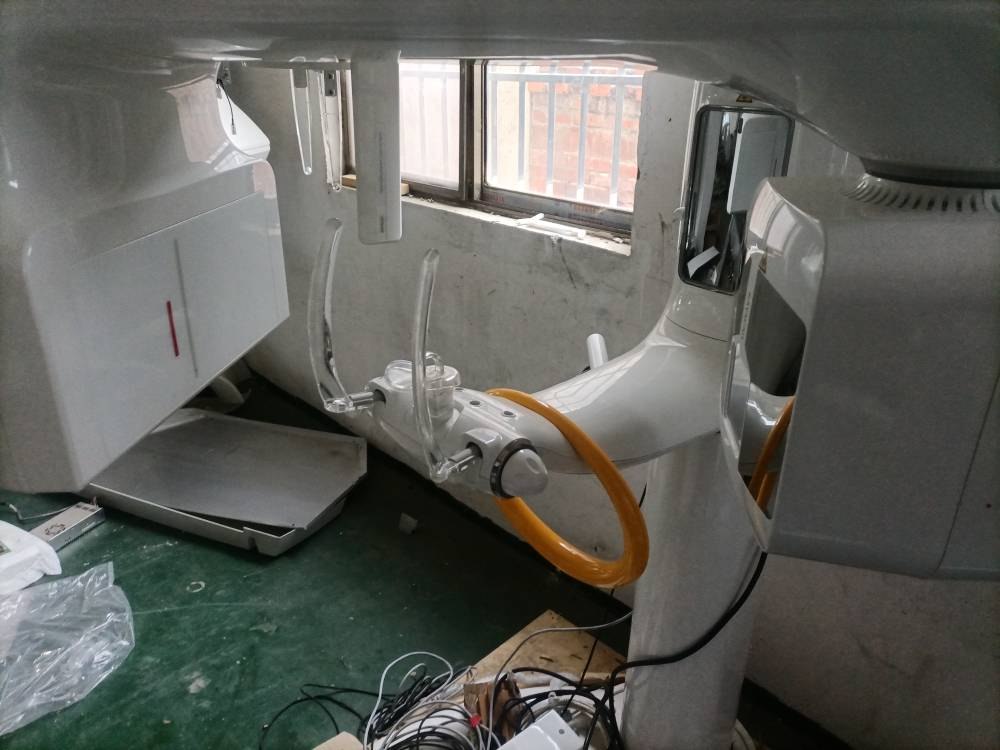
Iranian dental practice operates under unique sourcing constraints shaped by US secondary sanctions, Iranian foreign exchange controls, and banking restrictions affecting SWIFT connectivity. While we’ve covered Launca DL300P IOS sourcing for Tehran in a previous article, this guide addresses the broader logistics architecture for Iranian dental equipment procurement — specifically the Dubai and Istanbul routing corridors that Iranian buyers use to source Chinese dental equipment despite the sanctions environment.
The Iranian dental equipment sourcing challenge
Iran has approximately 88 million residents and an estimated 32,000 practicing dentists. Market operates under:
- US secondary sanctions discouraging international banks from processing Iran-related transactions
- SWIFT disconnection of major Iranian banks since 2018 (partial restoration 2016–2018 ended)
- Iranian Rial (IRR) volatility and foreign exchange controls through Iranian Central Bank
- Iranian FDA registration requirements through IRIM (Iranian Food and Drug Administration Medical Device Department)
- Rial-to-USD exchange access limited to approved government rates vs. market rates that differ substantially
Chinese dental equipment and medical devices specifically are NOT subject to US export controls — these are civilian medical devices, not dual-use or weapons technology. The sourcing challenge is entirely on the payment and logistics side, not on the equipment export authorization side.
The Dubai routing corridor
Dubai UAE serves as the dominant intermediary for Iranian dental equipment sourcing from China:
- Physical logistics: Chinese supplier ships FOB Shanghai to Dubai (Jebel Ali port), Iranian buyer arranges onward shipment Dubai to Bandar Abbas or Bushehr port, or air freight to Tehran (IKA)
- Dubai intermediary trading companies: hundreds of Dubai-based trading companies specialize in Iran trade, providing invoicing, documentation, and logistics services
- Payment routing: Iranian buyer arranges payment to Dubai intermediary (through UAE exchange houses, hawala networks, or direct bank transfer where available); Dubai intermediary pays Chinese supplier in USD or RMB
- Dubai banking infrastructure: UAE banks maintain relationships with both Chinese and Iranian counterparties, with varying degrees of scrutiny for Iran-related transactions
- Intermediary cost: typically 2–5% on transaction value for complete routing service
The Istanbul / Turkey routing corridor
Turkish routing provides an alternative for Iranian buyers:
- Physical logistics: Chinese supplier ships to Istanbul or Mersin port, Iranian buyer arranges truck transport via Turkey-Iran land border at Bazargan crossing
- Istanbul Free Trade Zone (FTZ): Atatürk Free Zone and other Istanbul FTZs provide bonded storage and re-export capability
- Turkish Lira (TRY) routing: payment routing through Turkish banks and Turkish trading companies
- Transit time: approximately 5–8 days truck from Istanbul to Tehran via land border
- Advantage: avoids some Dubai-specific banking complications; Turkey-Iran trade is politically less constrained than UAE-Iran in some transaction categories
- Disadvantage: longer transit, overland routing risk, weather seasonality at border crossings
Comparative economics: Dubai vs. Istanbul routing
Worked example for a USD 15,000 FOB Shanghai IOS shipment to Tehran:
- Dubai routing:
- Shanghai to Dubai ocean freight: USD 650
- Dubai intermediary fee 3%: USD 450
- Dubai to Tehran air freight: USD 480
- Iranian customs + clearance: USD 350
- Total routing cost premium over direct FOB: approximately USD 1,930
- Total transit time: approximately 15–22 days
- Istanbul routing:
- Shanghai to Istanbul ocean freight: USD 950
- Istanbul intermediary fee 2.5%: USD 375
- Istanbul to Tehran truck: USD 680
- Iranian customs + clearance: USD 350
- Total routing cost premium: approximately USD 2,355
- Total transit time: approximately 25–35 days
Dubai routing is typically faster and marginally cheaper for individual equipment shipments. Istanbul routing may be preferred for larger consolidated shipments where overland trucking economics work better, or where Dubai banking has specifically complicated the transaction.
Iranian FDA (IRIM) registration
- Medical device classification follows CE-MDR-like framework
- Registration timeline: 6–12 months for new manufacturer
- Required documentation: manufacturer ISO 13485, CE marking strongly preferred, device master file, Farsi + English IFU
- Iranian authorized representative required — Iranian-registered entity holding regulatory responsibility
- For single-unit clinical imports by licensed Iranian dentists: simplified customs under practitioner personal-use provisions
- Iranian Ministry of Health oversight of medical device importation
Iranian customs and duty framework
Iranian customs duty on dental equipment: typically 10–20% depending on HS classification, plus VAT 9%, plus import commercial tax. Duty rates fluctuate with Iranian economic policy. Worked example for a USD 15,000 FOB IOS (CIF Tehran via Dubai):
- FOB Shanghai: USD 15,000
- Shanghai to Dubai + Dubai intermediary + Dubai to Tehran: USD 1,930
- CIF Tehran: USD 16,930
- Customs duty 15%: USD 2,540
- VAT 9%: USD 1,752
- Commercial tax 4%: USD 678
- Broker fees in Tehran: USD 200
- All-in landed Tehran (with sanctions-related costs): approximately USD 22,100 (at official IRR-USD rate)
Currency and payment execution
Iranian Rial (IRR) conversion to USD for foreign payment involves:
- Official rate (government-approved): substantially lower IRR amount per USD than market rate
- NIMA rate (Iranian integrated foreign exchange system): intermediate rate for approved trade
- Market (free) rate: street rate significantly higher IRR per USD
- Medical equipment imports often qualify for preferential FX access through NIMA or official rate, depending on equipment priority classification by Iranian Ministry of Health
Iranian buyers typically obtain FX through a combination of approved channels (NIMA allocation for medical equipment) and informal markets, depending on their particular procurement scale and approval status.
Practical sourcing guidance
- Work with Iran-experienced Dubai or Istanbul intermediary — established intermediary relationships reduce transaction risk and cost
- Structure payment through intermediary trading company rather than direct Iranian bank to Chinese supplier — avoids direct sanctions complications
- Obtain comprehensive documentation in English — IRIM registration, customs clearance, clinical training materials
- Plan for extended commissioning timeline — Iranian service network for Chinese equipment typically operates through remote (video) support plus independent Iranian technicians rather than OEM field engineers
- Reserve 15–25% budget contingency for unforeseen FX movement, customs valuation adjustments, and logistics delays
Sourcing dental equipment for Iranian practice via Dubai or Istanbul?
WhatsApp us with your equipment category, target Iranian city (Tehran, Mashhad, Isfahan, Shiraz, or other), budget constraints, and preferred routing (Dubai, Istanbul). We’ll walk through FOB Shanghai pricing, comparative routing economics, IRIM documentation framework, Iranian customs handling, and realistic landed cost analysis at current FX rates.
Chat on WhatsApp →