Facial 3D Scanner for Orthodontic, Prosthodontic, and Smile Design: Clinical Workflow Guide
How dental practices evaluate facial 3D scanning equipment — structured light vs stereo photogrammetry vs iPad TrueDepth technology approaches, accuracy spectrum for different clinical applications, orthodontic and orthognathic surgical planning, smile design integration, and procurement guidance from entry to premium tier.
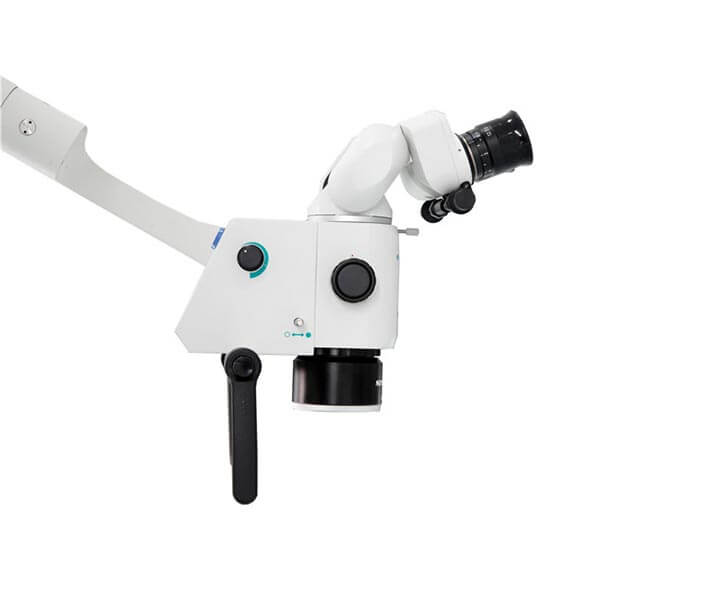
Facial 3D scanners — devices that capture the full external facial surface rather than intraoral structures — have moved from specialty research tools to practical clinical equipment for orthodontic assessment, full-mouth rehabilitation planning, smile design, orthognathic surgery planning, and patient communication. Chinese manufacturing has brought facial scanning into a price band accessible to mid-tier private practice, with entry systems now available at USD 3,500–8,000 FOB Shanghai. This guide walks through facial 3D scanner clinical applications, technology approaches, and procurement considerations.
Clinical applications driving facial scanner adoption
Facial 3D scanning creates clinical value in specific workflows:
- Orthodontic treatment planning: comprehensive face-first orthodontic assessment replaces 2D photography with quantifiable 3D facial analysis. Particularly valuable for growing patients, surgical orthodontic cases, and TMJ-involved treatment plans.
- Orthognathic surgery planning: pre-surgical virtual treatment planning integrates facial scan with CBCT and intraoral scan for comprehensive virtual surgery. Predicts post-surgical facial appearance.
- Full-mouth rehabilitation planning: esthetic outcomes planned in facial context rather than intraoral-only, improving patient case acceptance and reducing post-treatment esthetic complaints
- Smile design workflow: digital smile design with facial reference provides dramatically better esthetic predictability than tooth-only smile design
- TMJ and airway assessment: facial geometry in TMJ and sleep-breathing assessment provides data complementary to intraoral and imaging data
- Patient communication: 3D facial simulation with virtual treatment outcomes substantially improves case acceptance for complex restorative and surgical plans
- Documentation and medico-legal records: comprehensive baseline documentation of facial geometry for complex cases
Technology approaches to facial 3D scanning
Three dominant technology approaches for facial 3D capture:
- Structured light scanning: projector-based pattern projection with camera reconstruction. Standard technology at USD 3,500–12,000 price band. Stationary or handheld capture. Typical capture time 30 seconds to 2 minutes for full-face model.
- Stereo photogrammetry: multi-camera array captures simultaneous images, software reconstructs 3D surface. Typically fixed-installation capture stations. Higher capture quality but substantially higher cost (USD 18,000–65,000 range). Instantaneous capture (single trigger).
- TrueDepth / LiDAR (iPhone/iPad-based): consumer device based facial scanning via third-party dental software. Very low equipment cost (just an iPad/iPhone with app subscription). Accuracy adequate for soft-tissue assessment and smile design; not sufficient for surgical planning.
Capture accuracy and clinical adequacy
- TrueDepth/LiDAR approach: 0.5–1.5mm facial surface accuracy. Adequate for smile design, patient communication, and orthodontic facial documentation. Marginal for quantitative surgical planning.
- Handheld structured light: 0.2–0.5mm facial surface accuracy. Adequate for most orthodontic and restorative planning. Acceptable for most orthognathic surgical planning when integrated with CBCT.
- Stationary structured light: 0.1–0.3mm accuracy. Good for surgical planning, research applications.
- Stereo photogrammetry: 0.05–0.15mm accuracy. Premium surgical planning, research, teaching applications.
Capture workflow
Typical facial scan capture protocol:
- Patient seated with head stabilized; hair controlled (forehead band); earrings and obstructing items removed
- Patient maintains repose facial position (lips relaxed, teeth slightly apart); additional captures with smile, maximum occlusion, lips retracted
- Operator moves handheld scanner around face capturing multiple angles; 360° coverage from approximately 40cm distance
- Software reconstructs 3D facial mesh from captured frames
- Clinical post-processing: export facial mesh, integrate with intraoral scan and CBCT data for comprehensive virtual patient model
Software integration
Facial scan clinical value depends heavily on software integration:
- Standalone facial scanner software: basic capture and export (STL, PLY, OBJ). Adequate if clinical workflow integrates externally.
- Orthodontic planning software integration: facial mesh imported into orthodontic software for face-first treatment planning. Several established orthodontic software platforms accept facial scan input.
- CBCT integration: facial scan registered to CBCT data, providing soft-tissue context for skeletal analysis. Essential for orthognathic surgical planning.
- Smile design software integration: facial mesh integrated with smile design tools for face-in-context esthetic planning
- Virtual articulator integration: some premium workflows integrate facial scan with virtual articulator for dynamic occlusal analysis
- Open format export: verify software exports standard 3D formats (OBJ, STL, PLY) for integration with your existing workflow; proprietary-only export creates lock-in
Clinical workflow economics
Where facial 3D scanning generates patient-side revenue or cost savings:
- Comprehensive orthodontic consultation premium: patients increasingly expect digital orthodontic consultation; facial scan differentiates consultation quality. Marginal consultation fee uplift USD 40–120 per case, plus improved case acceptance.
- Full-mouth rehabilitation case acceptance: facial context visualization substantially improves full-mouth case closure rates. Value per converted case USD 15,000–80,000.
- Orthognathic surgery case volume: surgical orthodontic practices using facial scanning typically report 25–45% higher orthognathic surgery conversion rates from initial consultation
- Smile design esthetic case pricing: esthetic cases with digital smile design including facial context can be priced 20–40% above standard esthetic work
- Reduction in esthetic remakes: face-first planning reduces post-delivery esthetic complaints and remakes, saving 1–3 remakes per year for high-volume esthetic practice
Pricing tiers for practical procurement
Entry-tier facial 3D scanner (USD 3,500–8,000 FOB Shanghai)
- Handheld structured light, 0.3–0.6mm accuracy
- Basic capture software, STL/OBJ export
- Clinical fit: general practice smile design, orthodontic records, patient communication
- Typical suitable for clinics doing 5–20 facial scans per month
Mid-tier (USD 8,000–18,000 FOB)
- Handheld or tripod-mounted structured light, 0.15–0.3mm accuracy
- Advanced software with dental workflow integration
- Clinical fit: orthodontic practice, prosthodontic practice, full-mouth rehabilitation
- Typical for clinics doing 15–50 scans per month
Premium tier (USD 18,000–45,000+ FOB)
- Stationary stereo photogrammetry or premium structured light, 0.05–0.15mm accuracy
- Comprehensive clinical workflow software, CBCT registration, surgical planning integration
- Clinical fit: orthognathic surgery practice, research institutions, dental school teaching programs
Commissioning and training
- Installation: entry and mid-tier handheld systems largely plug-and-play with computer; premium stationary systems require installation space and fixed mounting
- Operator training: 1–2 day initial training for handheld capture technique; capture is more operator-dependent than IOS because patient head position, lighting, and patient cooperation all affect output
- Clinical workflow development: 2–4 months to integrate facial scanning into consultation and treatment planning workflow; determining which cases warrant facial scan capture, archiving protocol, presentation workflow
- Software ecosystem training: integration with orthodontic, CAD/CAM, or surgical planning software typically requires dedicated training beyond basic capture training
Space and environmental requirements
- Handheld systems: 2–3m² capture area, controlled ambient lighting (avoid direct sunlight on capture area), patient seated position with 360° operator access
- Stationary systems: 4–6m² dedicated capture room with controlled lighting, patient positioning chair or stand, camera array mounting infrastructure
- Computer requirements: mid-range GPU workstation adequate for entry and mid-tier; premium scanners may require higher-end workstation for real-time reconstruction
- Network integration: practice management and clinical workflow integration via standard LAN
Regulatory considerations
- Medical device classification: typically Class I or Class IIa in CE-MDR framework depending on clinical application; Class I (non-active non-invasive) for straightforward facial surface capture
- CE marking: required for commercial distribution in EU
- FDA classification: typically Class I exempt or Class II 510(k) depending on intended use claims
- Chinese manufacturer ISO 13485: standard expectation
- Destination country registration: check country-specific requirements; facial scanners are lower-risk devices so registration typically simpler than CBCT or IOS
Practical recommendation
- For general practice considering facial scanner as first-purchase digital photography replacement: TrueDepth/iPad-based approach at minimal capital cost may be adequate before committing to dedicated hardware
- For orthodontic practice: mid-tier handheld facial scanner is the sweet spot; capital cost justified by case acceptance improvement and workflow integration
- For prosthodontic / full-mouth rehabilitation practice: mid-tier handheld with CBCT integration capability
- For orthognathic surgical practice: premium tier stationary or mid-tier handheld with verified surgical planning software integration
- For multi-specialty group practice: shared mid-tier facial scanner with clinical workflow protocol across orthodontic, restorative, and surgical departments
Evaluating facial 3D scanning for your practice?
WhatsApp us with your practice specialty (orthodontic, prosthodontic, surgical, general), primary clinical applications, software ecosystem in use (orthodontic planning software, CAD/CAM, surgical planning), and destination country. We’ll propose facial 3D scanner options matched to your workflow, arrange sample evaluation where feasible, and quote FOB Shanghai pricing with landed cost analysis.
Chat on WhatsApp →Have a specific unit in mind?
Tell us which model you want and your destination port — we'll quote FOB or CIF with a video demo of the actual unit in our warehouse.