Phosphor Plate Scanner (PSP) Sourcing: Budget Digital Intraoral X-Ray Alternative to CMOS Sensors
How dental practices source phosphor plate scanner (PSP) systems from Shanghai — PSP vs CMOS sensor workflow comparison, flexible plate clinical advantages for endodontic and pediatric practice, plate size range (0–4), scanner throughput and resolution, plate replacement economics, and FOB Shanghai pricing across entry, mid, and premium tiers.
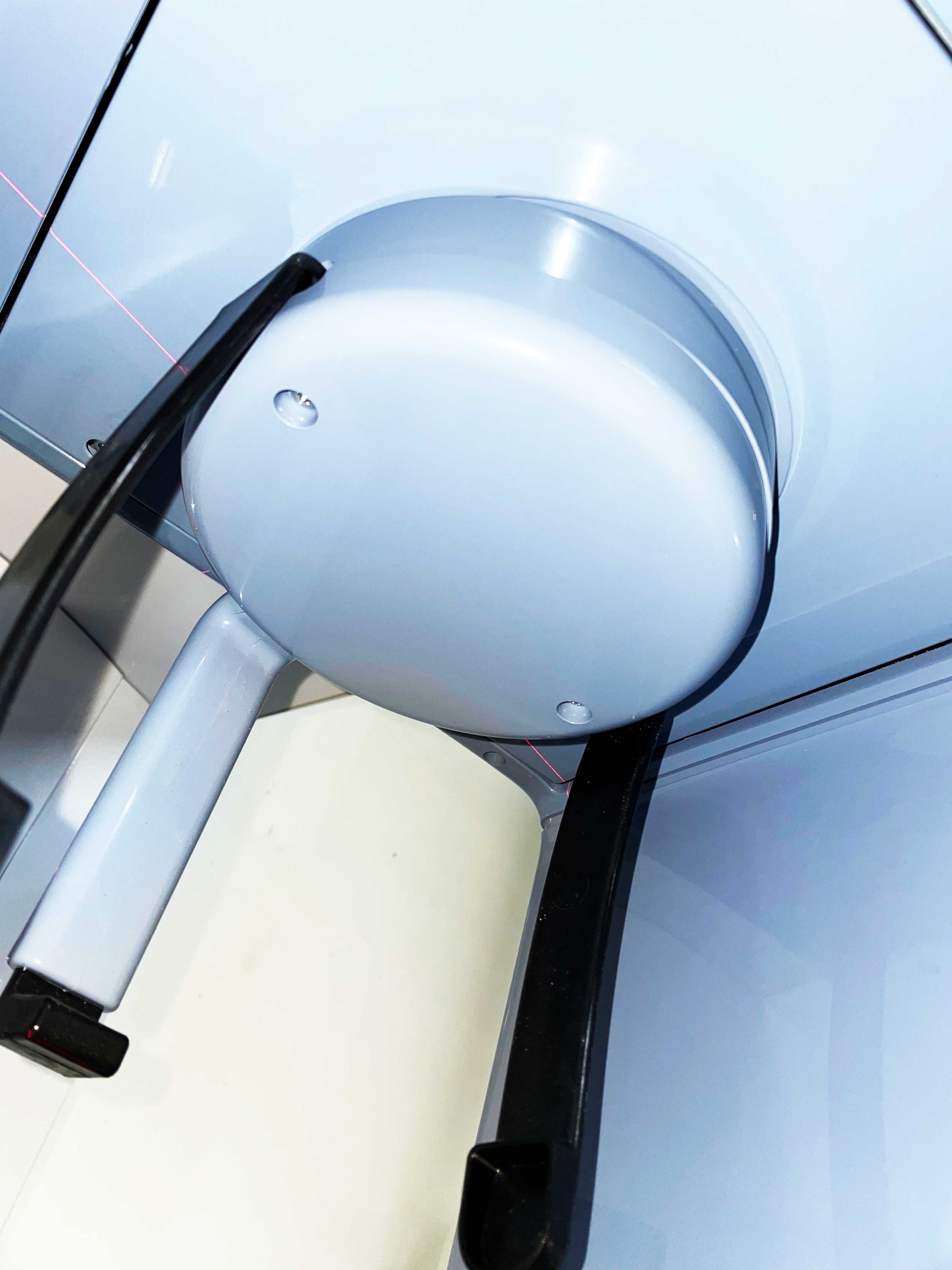
Phosphor plate scanners (PSP scanners, photostimulable phosphor imaging) provide a digital intraoral radiography workflow alternative to direct CMOS sensor systems. Where CMOS sensors capture X-ray images directly through electronic sensors, PSP systems use reusable photo-sensitive plates that are exposed to X-rays and then scanned by a dedicated plate reader to produce digital images. For practices entering digital radiography on constrained budgets, or with workflow requirements that favor plate-based systems (endodontics, pediatric dentistry, posterior-access challenges), PSP delivers a distinct value proposition at USD 1,800–4,500 FOB Shanghai. This guide walks through PSP selection and procurement.
PSP vs. CMOS sensor: the core comparison
CMOS sensor workflow
- Capture: wired or wireless sensor placed intraorally, X-ray exposure, image appears on computer within 1–3 seconds
- Sensor sizes: typically size 1 (pediatric) and size 2 (adult); some size 0 (very small) available
- Rigidity: rigid sensor housing; challenging for some posterior positions and patient anatomies
- Cost: USD 1,200–3,500 for entry and mid-tier CMOS sensor
- Durability: cable is common failure point; sensor dropped or crushed is major loss
PSP workflow
- Capture: flexible reusable plate placed intraorally (similar to conventional film), X-ray exposure, plate removed, fed into dedicated scanner, scan time 5–30 seconds
- Plate sizes: full size range (0, 1, 2, 3, 4) including occlusal and panoramic sizes — most flexible size range available
- Flexibility: plates flexibly conform to patient anatomy; excellent for posterior access and difficult anatomy
- Cost: USD 1,800–4,500 for PSP scanner + 10–30 plates
- Durability: plates are single-purpose consumables with limited cycle life (typically 500–2,000 exposures before degradation)
PSP clinical advantages
- Flexible plates: plates bend and conform to palate, floor of mouth, and difficult posterior positions where rigid CMOS sensors are uncomfortable or impossible
- Full size range: size 3 and size 4 plates for occlusal imaging, large maxillary imaging — CMOS doesn’t offer these sizes practically
- Pediatric comfort: flexible plates are much better tolerated by children than rigid sensors
- Endodontic workflow: rubber dam and endodontic accessories often interfere with rigid sensor placement; flexible plates navigate around these
- No cables chairside: cable-free plate handling eliminates infection control cable management
- Patient comfort: for gag-sensitive patients, plates are substantially more comfortable
PSP clinical disadvantages
- Workflow interruption: capture-scan-display cycle takes 30–90 seconds vs. near-instant CMOS display
- Plate handling workflow: plates must be removed, carried to scanner, erased, and re-sleeved between each exposure — more workflow steps than CMOS
- Plate replacement cost: plates degrade and must be replaced; ongoing consumable cost
- Plate loss: plates can be lost, scratched, or dropped; practical operational loss rate 5–20% annually
- Light sensitivity: plates must be protected from ambient light during handling; lost image if plate exposed to light before scanning
- Scanner as single point of failure: scanner failure stops all PSP workflow; CMOS sensor practices have less single-point-of-failure risk
When PSP makes more sense than CMOS
- Budget constraint on multi-operatory deployment: single PSP scanner serves multiple operatories; CMOS requires sensor per operatory
- Endodontic-heavy practice: flexible plates handle rubber dam and difficult root canal access much better
- Pediatric-focused practice: flexibility and comfort benefit outweigh workflow disadvantage
- Transition from film to digital: PSP workflow closely mirrors conventional film workflow — operator adoption simpler
- Specialty imaging needs: occlusal imaging (size 3, 4 plates) and large anatomy imaging
- Harsh environments: tactical, humanitarian, or rural settings where rigid sensor durability is a concern
When CMOS makes more sense than PSP
- High-volume single-operatory workflow: near-instant image display accelerates clinical workflow
- Endodontic microsurgery: real-time image display during endodontic treatment
- Implant case verification: immediate image verification during implant placement
- Simplified infection control: barrier sleeves on rigid sensor vs. plate handling workflow
- Established digital workflow preference: CMOS sensors are industry standard in most developed markets
Key PSP specifications
Scanner performance
- Scan time: 5–20 seconds per plate for size 2; 15–45 seconds for larger plates
- Throughput: 4–12 plates per minute typical scanning throughput
- Resolution: 12–22 lp/mm typical for dental PSP; premium scanners reach 26+ lp/mm
- Dynamic range: 12-bit or 14-bit grayscale
- Batch scanning: some scanners accept multiple plates for automated sequential scanning
- Plate erasing: automatic erasing after scan vs. separate erasing station
Plate specifications
- Sizes available: size 0, 1, 2, 3, 4 (bitewing); size 3 and 4 unique to PSP
- Plate thickness: 0.3–0.5mm typical; thinner plates more flexible but also more delicate
- Cycle life: 500–2,000 exposures before image quality degradation; premium plates reach 4,000+
- Barrier sleeves: single-use plastic sleeves protect plates during intraoral placement
Software ecosystem
- Image import into practice management software (Dentrix, Eaglesoft, Open Dental, Dentally, etc.)
- DICOM output for PACS integration
- Image enhancement tools (brightness, contrast, sharpening)
- Measurement tools for endodontic file length, implant planning
- Open TWAIN interface for third-party practice management integration
Chinese PSP quality tiers
Entry-tier (USD 1,800–2,800 FOB Shanghai)
- Basic scanner, 12–15 lp/mm resolution
- Scanner + 10–15 starter plates
- Basic software
- Fit: small practice digital transition from film
Mid-tier (USD 2,800–3,800 FOB)
- Improved scanner, 16–20 lp/mm resolution
- Scanner + 20–30 starter plates
- Clinical software with practice management integration
- Fit: standard general practice, endodontic-focused workflow
Premium (USD 3,800–4,500 FOB)
- Premium scanner, 20–26 lp/mm resolution
- Batch scanning capability
- Comprehensive plate inventory
- Premium software ecosystem
- Fit: specialty practice, academic institution, multi-operatory deployment
Plate management workflow
Typical PSP plate workflow:
- Plate in protective barrier sleeve
- Plate positioned in patient intraorally
- X-ray exposure (using clinic’s intraoral X-ray unit — no X-ray hardware change)
- Plate removed from patient, sleeve removed
- Plate carried to scanner (avoiding ambient light exposure)
- Plate fed into scanner, image appears on computer in 10–30 seconds
- Plate automatically erased by scanner (on most modern scanners) or manually erased on separate light box
- Plate returned to inventory in new barrier sleeve, ready for next exposure
Ongoing consumable costs
- Plate replacement: USD 25–85 per plate depending on size and quality; typical annual plate replacement 20–40% of inventory
- Barrier sleeves: USD 0.05–0.20 per sleeve; one per exposure
- Scanner maintenance: periodic cleaning of internal optics; USD 100–250 per year maintenance budget
- Total annual operational cost: USD 400–1,500 depending on volume
X-ray unit compatibility
PSP systems work with existing intraoral X-ray units:
- No X-ray unit replacement needed: PSP plates expose to same standard intraoral X-ray machines as conventional film
- Exposure time calibration: PSP requires calibration exposure to match plate sensitivity; typically 30–50% of film exposure time
- Range of X-ray unit: works with wall-mount, mobile, and integrated X-ray units equally
- Digital sensor vs. PSP comparison: CMOS sensors typically need shorter exposure times than PSP (lower patient dose) but PSP is still significantly less dose than conventional film
Regulatory considerations
- Classification: Class IIa in CE-MDR; Class II 510(k) in US FDA
- CE marking: required for EU distribution
- Electrical safety: IEC 60601-1 medical electrical equipment certification
- DICOM compliance: for integration with hospital or group practice PACS systems
- Destination country registration: typically Class IIa equivalent
Commissioning package
Typical PSP commissioning order:
- PSP scanner main unit
- 10–30 plates across sizes 0, 1, 2, 3, 4
- Barrier sleeves (200–500 starter inventory across plate sizes)
- Plate storage box/organizer
- Software license
- USB cable, power cord, installation documentation
- Total FOB Shanghai: USD 2,200–4,500 depending on tier
Common procurement mistakes
- Buying minimal plate inventory: clinical workflow requires multiple plates in rotation (scanning while next patient positioned); 4+ plates per size typical minimum
- Ignoring plate replacement cost in budgeting: annual plate replacement is substantial ongoing cost
- Not verifying practice management integration: images must flow into patient record system without manual export/import
- Choosing PSP vs. CMOS without workflow analysis: the choice depends heavily on practice specialty and workflow; neither is universally better
- Under-training operators: plate light-exposure errors waste exposures and create clinical delays
Sourcing a phosphor plate scanner (PSP) from Shanghai?
WhatsApp us with your practice context (endodontic-focused, pediatric, general, multi-operatory), destination country, and practice management software in use. We’ll propose PSP scanner options matched to your workflow, discuss PSP vs. CMOS sensor tradeoffs for your specialty, and quote FOB Shanghai pricing with starter plate inventory and full landed cost analysis.
Chat on WhatsApp →Have a specific unit in mind?
Tell us which model you want and your destination port — we'll quote FOB or CIF with a video demo of the actual unit in our warehouse.